






 Portuguese
  Spanish


Manufactured at the Atommash plant in Russia, the vessel that will house the core of unit 5 was lifted using the open method before the dome was closed. The milestone advances the Kudankulam nuclear power plant, operated by India and Russia since 1988, which already totals six reactors between operation and construction.
Russia and India lifted a 320-ton pressure vessel into the reactor of the Kudankulam nuclear power plant in a precision operation, advancing a project that, according to the companies, has already avoided 112 million tons of CO2 emissions. The milestone opens a new phase of reactor construction.
The 320-ton pressure vessel, which will house the core of unit 5 of the Kudankulam nuclear power plant in India, was successfully lifted in a precision operation, marking the entry of the VVER-1000 reactor construction into its next phase. According to information from PetroNoticias, manufactured at the Atommash plant, part of Rosatom’s Machine Building Division, in Volgodonsk, Russia, the vessel was delivered to the construction site in 2025. The installation used the open method, with a large crane lifting the piece before the reactor dome was closed, and the project is operated by the Nuclear Power Corporation of India (NPCIL) under an agreement between India and Russia since 1988.
The precision operation at the Kudankulam nuclear power plant
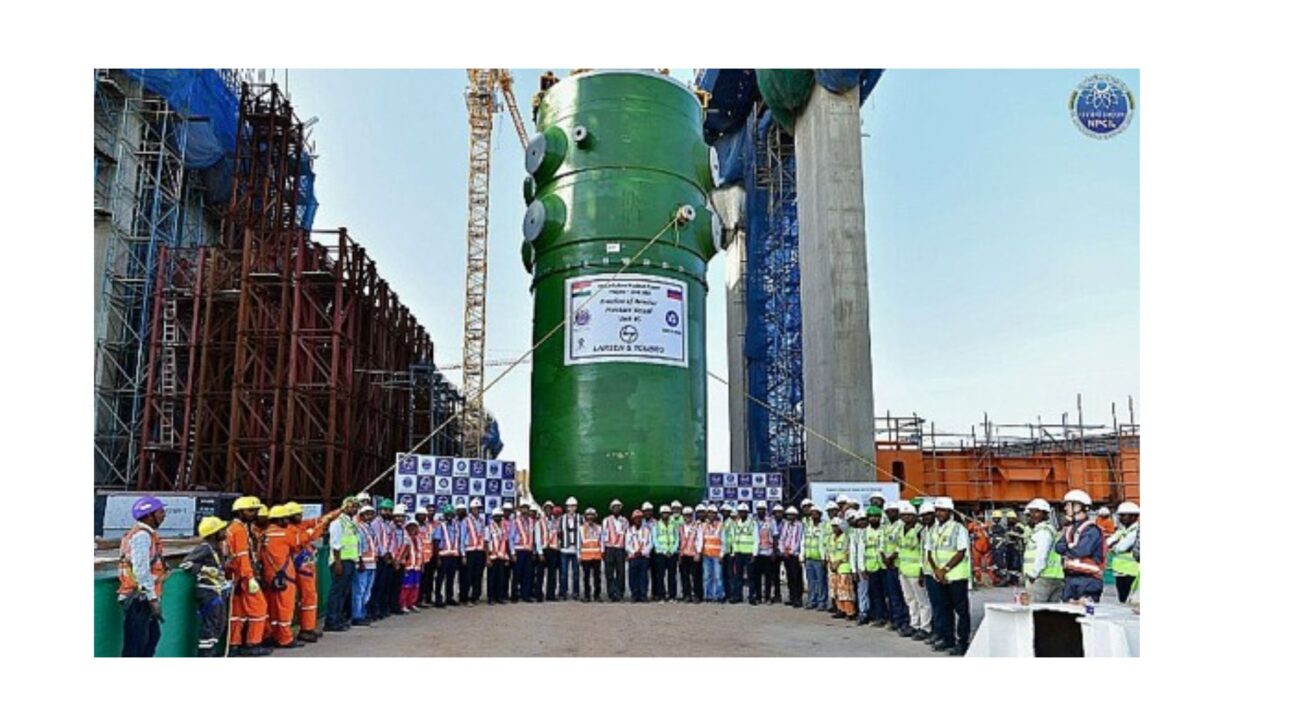
The 320-ton pressure vessel, which will house the core of unit 5 of the Kudankulam nuclear power plant in India, was successfully lifted in a precision operation. The move marks the entry of the VVER-1000 reactor construction into its next phase.
-
Brazilian Student Wins Global Science Fair in the U.S. with Sound Wave Method to Alter Alzheimer’s-Linked Genes

-
Bosch Unveils Revolutionary 2.3 kg Hub Motor for E-Bikes with 45 Nm Torque and 400 Watts Power, Eliminating Resistance Above 25 km/h in Historic Shift for German Manufacturer
-
Brazilian Engineer Develops Marine Bacteria from Ubatuba into a Mini Power Plant Generating 227 mW per Square Meter, Cleans Air by Capturing CO₂ and Releasing Oxygen
-
Trump Signs Orders to Develop Quantum Computer and Bolster U.S. Systems Against Encryption-Breaking Attacks


Manufactured at the Atommash plant, part of Rosatom’s Machine Building Division, in Volgodonsk, Russia, the vessel was delivered to the construction site in 2025. The installation used the open method, with a large crane to lift the piece into the building before the reactor dome was closed, a technique that the Russian and Indian team had already used in units 3 and 4.
What comes after the installation of the reactor
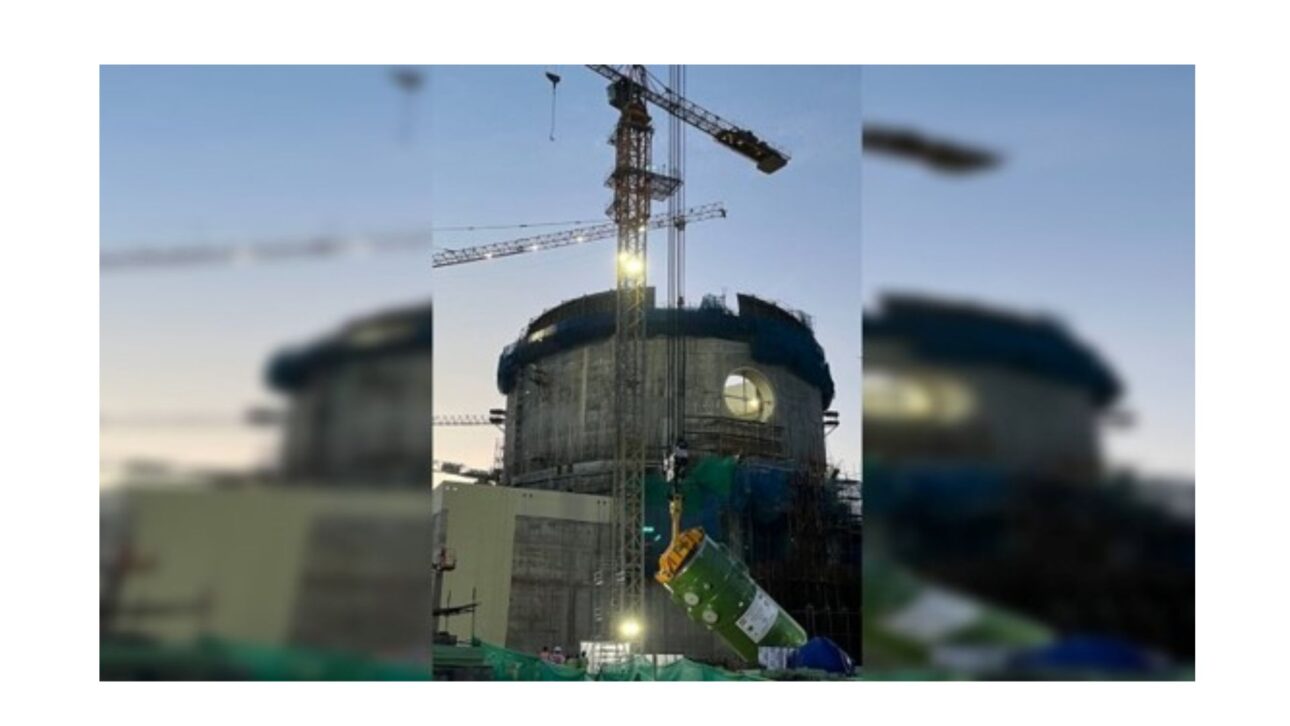
With the vessel installed at the nuclear plant, the project advances to the assembly of the main systems. The new stage paves the way for the installation of the nuclear steam supply system equipment.
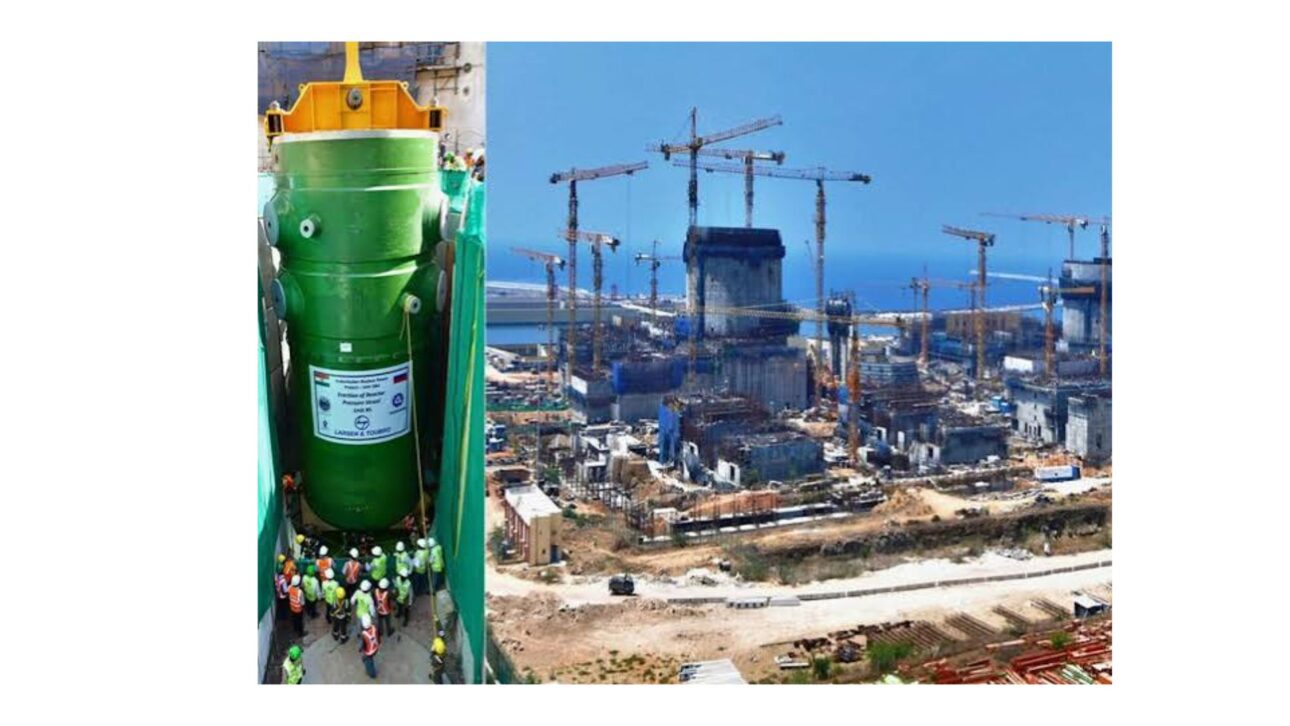
Among these components are the steam generators, the main circulation pumps, the main circulation pipeline units, the pressure compensator, and the emergency core cooling system tanks. Each of these items is essential for the future operation of reactor unit 5.
A partnership between India and Russia since 1988
The Kudankulam nuclear power plant project is implemented under an intergovernmental agreement between India and Russia, in effect since 1988, and operated by the Nuclear Power Corporation of India (NPCIL). The first two VVER-1000 reactors, supplied by Russia, were connected to the Indian power grid in 2013 and 2016.
“The long and efficient cooperation between India and Russia,” pointed out Mikhail Novikov, director of Projects at Atomstroyexport in India, as one of the recipes for success.
According to Novikov, Indian specialists are building and commissioning four units based on the Russian design, while another two have been generating electricity for over 10 years. The construction of units 3 and 4 began in 2017, and units 5 and 6 in 2021.
More than 127 billion kWh generated
According to Rosatom, by April 2026, units 1 and 2 of the Kudankulam nuclear power plant would have generated more than 127 billion kWh of electricity. The numbers reinforce the plant’s significance in India’s energy matrix.
When all six units are operational, Kudankulam’s production will meet a significant portion of the electricity demand in Tamil Nadu, a state with 72 million inhabitants. The energy will also be distributed to other states in the southern India’s power grid, according to Rosatom.
112 million tons of CO2 avoided, according to NPCIL
For NPCIL, the milestone reflects collaboration with Atomstroyexport, and the Kudankulam nuclear plant stands out in the country’s clean energy ambitions. The operator described the project in laudatory terms in a statement.
“A pillar of India’s ambitions regarding clean energy,” stated NPCIL about Kudankulam.
According to the company, units 1 and 2 have already produced nearly 130 billion units of electricity and helped avoid approximately 112 million tons of CO2 emissions, which NPCIL classifies as a significant contribution to environmental sustainability. These numbers, it should be noted, come from the operators’ own statement, not from an independent audit.
Russia and India advanced the Kudankulam nuclear plant with the precision lifting of the 320-ton pressure vessel that will house the core of unit 5, another step in a project running under an intergovernmental agreement since 1988 and which, when completed, will have six reactors serving Tamil Nadu and other southern states of India.
According to Rosatom, units 1 and 2 have already generated more than 127 billion kWh, and, according to NPCIL, the project helped avoid approximately 112 million tons of CO2, numbers presented by the companies themselves as a contribution to clean energy. With the vessel installed, the works now proceed to the assembly of the main reactor systems.
And you, what did you think of the precision operation at the Kudankulam nuclear plant? Do you believe nuclear energy should have a greater role in the transition to clean sources? With respect to different views, share your opinion and exchange ideas with other readers about energy and infrastructure.







Be the first to react!