Portuguese
  Spanish



The Technological Revolution and the Importance of Cybersecurity in the Oil and Gas Industry
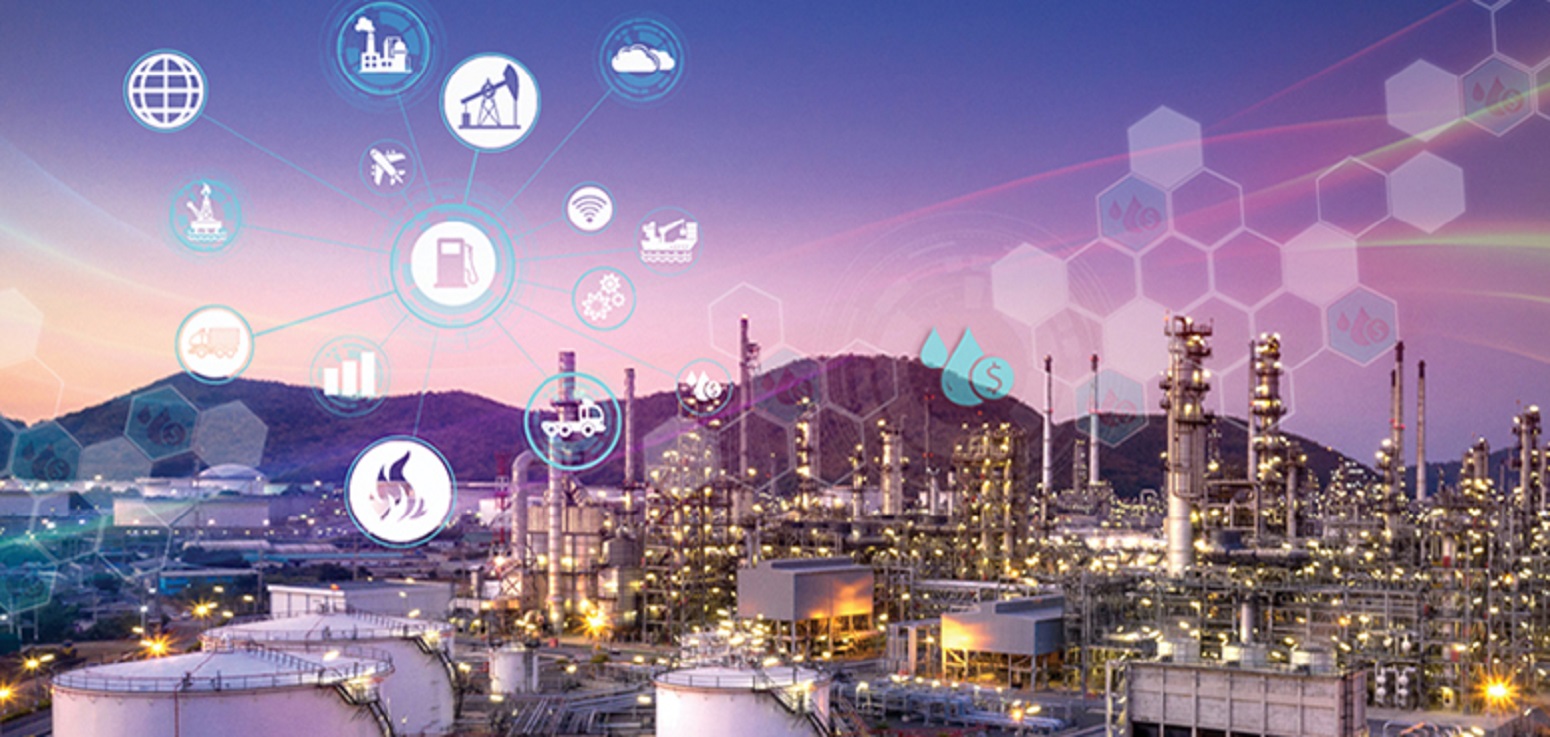
The oil and gas industry is undergoing a transformation era. The last decades have been marked by significant discoveries and technological advancements, which have considerably changed the sector’s landscape. New techniques and technologies have enabled the exploration of new oil and gas fields, increasing efficiency and reducing costs. However, these advancements also come with rising cybersecurity risks, which have become a constant concern in this sector.
Subtitle 2: The Rise of Sensor Technology and the Fundamental Role of Cybersecurity
Technology plays a crucial role in the oil and gas sector, especially when it comes to maintaining the profitability of operations. The use of smart sensors and SCADA systems is revolutionizing how companies monitor and report operational aspects of oil and gas. The ability to detect early changes and transmit critical data remotely represents a significant innovation, but it also brings new cybersecurity risks.
Subtitle 3: Cyber Threats to Critical Infrastructure and the Need for Protection
The oil and gas industry is an integral part of a country’s critical infrastructure, making it a potential target for cyber attacks. The damage from a successful attack can be devastating, potentially triggering a domino effect in other sectors. The industry has witnessed an increase in ransomware attacks against IoT devices, reinforcing the need for robust cybersecurity measures.
-
Statkraft Brazil Earns Pro-Ethics Certification from CGU, Highlighting Commitment to Compliance, Governance, and Sustainable Renewable Energy

-
Despite Perceived Delays, Rio de Janeiro’s New Stock Exchange on Track for Launch by Early Next Year

-
Constellation Earns 2025–2026 Pro-Ethics Seal from Brazil’s CGU, Stands Out as Only Offshore Drilling Company Recognized

-
Brazilian Soft Drink Company Dolly Faces Billion-Dollar Bankruptcy Battle Over $3 Billion Debt Accumulated Over Two Decades


Subtitle 4: Additional Layers of Security and the Importance of Verification
To combat these threats, implementing additional layers of security is vital. In this context, the use of visual and thermal cameras for alarm and alert verification presents an effective solution. Real-time remote monitoring can provide an extra layer of security, which is particularly relevant during times of reduced on-site teams due to fluctuations in oil prices.