






 Portuguese
  Spanish


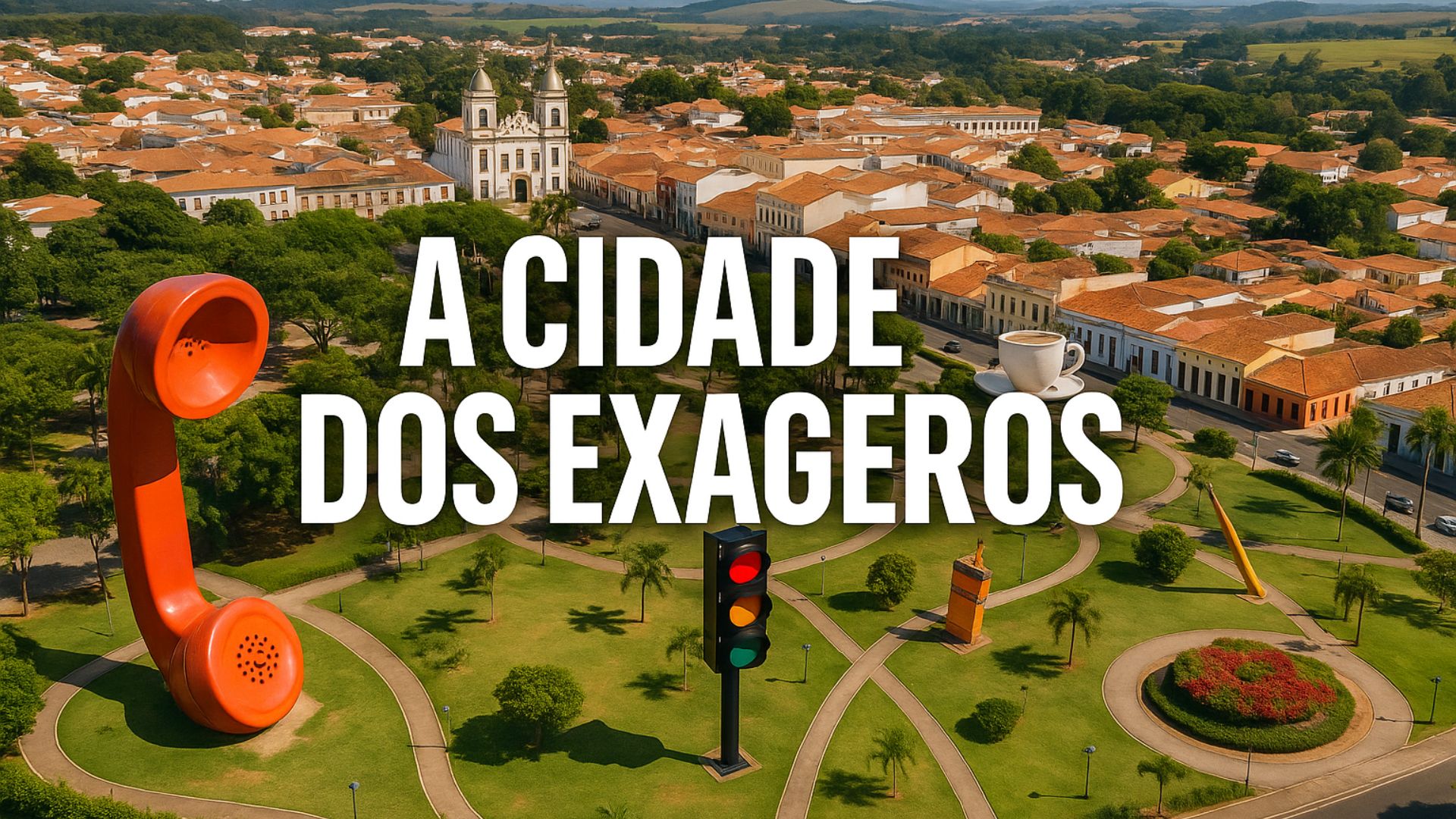


Interior City Combines Giant Attractions, Artisan Chocolate Tradition, and Cultural Tourism, Attracting Visitors in Search of Curious and Accessible Experiences.
Just over 100 kilometers from the state capital, an interior city gained national notoriety for combining giant-sized attractions, culinary tradition, and a humor that became its trademark.
Known as the land of artisan chocolate and nicknamed “City of Exaggerations”, it has established itself as one of the most curious and sought-after destinations for quick trips in the state of São Paulo.
As the years went by, the municipality transformed this peculiar identity into a tool for tourism promotion.
-
Pyramid-Shaped Apartment Building in China Stands Out with 18 Floors, 45-Degree Inclined Facade, and Terraced Design Inspired by Traditional Rice Paddies

-
When Do Brazil and Japan Face Off in the World Cup?

-
Three-Year-Old Fulfills Dream of Joining Garbage Collectors in Brazil, Captivates Thousands Online with Heartwarming Video

-
Nikon Project Uses Dog’s Heartbeat to Capture Photos, Revealing What Truly Makes Dogs Happy




Visitors come in search of cultural experiences, regional flavors, and the laid-back atmosphere that mixes local history with popular references that have spanned decades.
Origin and Identity of the City of Exaggerations

The association between the city and giant objects began in the 1960s, when the comedian Francisco Flaviano de Almeida, known as Simplício, described his hometown in an intentionally exaggerated manner on a TV show.
He joked that “everything there was immense”, from the traffic lights to the public telephones, creating a narrative that entertained the audience and popularized the image of the municipality.
This characterization gained strength over time and became part of the national imagination.
The success of the character encouraged local authorities to invest in attractions inspired by the irreverence that projected the city’s name.
Years later, the Square of Exaggerations was created, where enlarged sculptures became photographic symbols of the destination.

The playful space welcomes visitors of all ages and strengthens the idea that there, humor coexists with cultural heritage.
Chocolate Farm and Gastronomic Tourism
Another key point in building the tourism identity is the Chocolate Farm, located in an area that preserves elements of rural life and presents to the public the process of making artisan chocolate.
At the site, it is possible to observe cocoa cultivation, follow production stages, and learn curiosities about the use of the fruit in gastronomy.
The farm offers activities that attract families, such as train rides, animal areas, and a store with a wide variety of sweets produced on-site.

The proposal combines leisure and knowledge, transforming the visit into a complete experience for those seeking contact with the traditions of the interior of São Paulo.
While adults explore flavors and learn about the history of cocoa in the region, children find a relaxed setting in the rural environment.
This combination reinforces the municipality’s vocation for immersive experiences that go beyond conventional tourism.
Mansions, Churches, and Preserved History
Although the exaggerations and chocolate are among the most well-known attractions, the destination also stands out for its preserved architectural heritage.
Historic mansions, churches, and old farms reveal important moments in the formation of the interior of São Paulo and help explain the region’s economic development.

Several of these spaces can be visited with the guidance of tour guides, who contextualize historical periods, urban changes, and traditions maintained by the locals.
As visitors stroll through the historic center, they encounter century-old buildings, narrow streets, and spots that preserve original features, naturally connecting the past and present.
Cultural events, fairs, and traditional festivities reinforce this bond.
The calendar often attracts residents from neighboring cities and travelers interested in culinary activities, performances, and folk manifestations.
This active cultural life helps maintain the city as a reference for accessible and varied tourism.
Quick Access and Visitor Infrastructure
The city is connected to the capital by the Santos Dumont Highway, which offers a quick and signposted route.
Due to this convenience, it has become a frequent option for day trips or short weekends.
Bus transport serves the destination, although it is less convenient than traveling by car.

Within the municipality, getting around is simple.
The distance between attractions allows exploration of the main tourist spots without haste and without the need for long transfers.
Restaurants, cafes, and accommodations of different categories make up a network built to receive varied profiles of travelers.
In addition to bringing together cultural and culinary references, the destination stands out for its welcoming atmosphere and its ability to transform everyday themes into elements of tourism identity.
The giant figures, which were once just a television joke, have become part of the scenery and helped project the municipality nationally.
Today, the combination of historic spaces, artisan products, and humorous attractions ensures that the city maintains a strong presence in the imagination of those seeking curious and typical experiences from the interior.
After all, how can one resist a place where chocolate is the protagonist and where exaggeration has become cultural heritage?






E o Museu da República??????