Portuguese
  Spanish


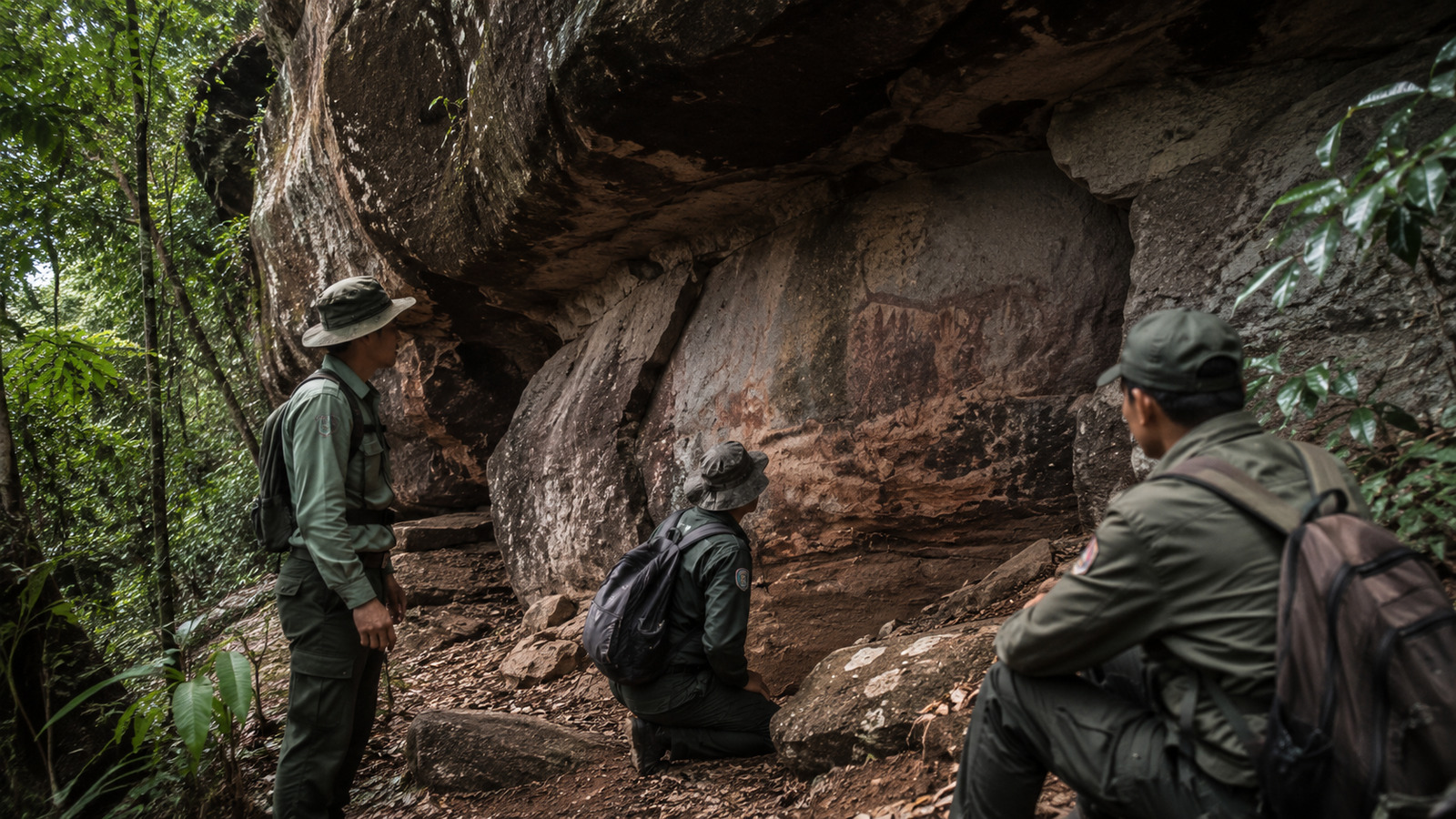

Ta Kueng Cave was located in the Phu Khat Wildlife Sanctuary and features geometric engravings, three-finger patterns, and preliminary signs of prehistoric human occupation
A routine anti-poaching patrol in northern Thailand revealed Ta Kueng Cave, a previously unknown site with prehistoric engravings on sandstone walls. The discovery occurred between August 14 and 16, 2025, in the Phu Khat Wildlife Sanctuary, and may indicate human occupation around 2,000 years ago.


Discovery began during forest conservation work
The cave was found by forest rangers during anti-poaching actions and wildlife monitoring in the Khwae Noi river basin.
The team was patrolling forest areas of Khun Nam Ton, Ang Khon Kaen, and Tam Takung when they located the sandstone formation.
-
Russia Deploys Largest Nuclear Icebreaker in Arctic Capable of Breaking Through Three-Meter-Thick Ice

-
TCL Launches Energy-Efficient Refrigerator in Brazil, Promising 70% Less Consumption Than Competitors

-
Project Daedalus: The 190-Meter Spacecraft Aiming to Reach Another Star with Nuclear Fusion and a 50-Year Fuel Supply

-
Giant 2.2 km Device Sweeps Plastic from Pacific Ocean, Cleaning an Area the Size of a Football Field Every 5 Seconds to Contain World’s Largest Ocean Garbage Patch




The site is in a remote region of the Nakhon Thai district, in Phitsanulok province. The location was named Tham Ta Kueng, or Ta Kueng Cave, and has not yet undergone specialized archaeological study.
According to the Department of National Parks, Wildlife and Plant Conservation, an initial inspection indicated signs that the cave was used by people in the past. However, the assessment is still preliminary.

Engravings draw attention for unusual patterns
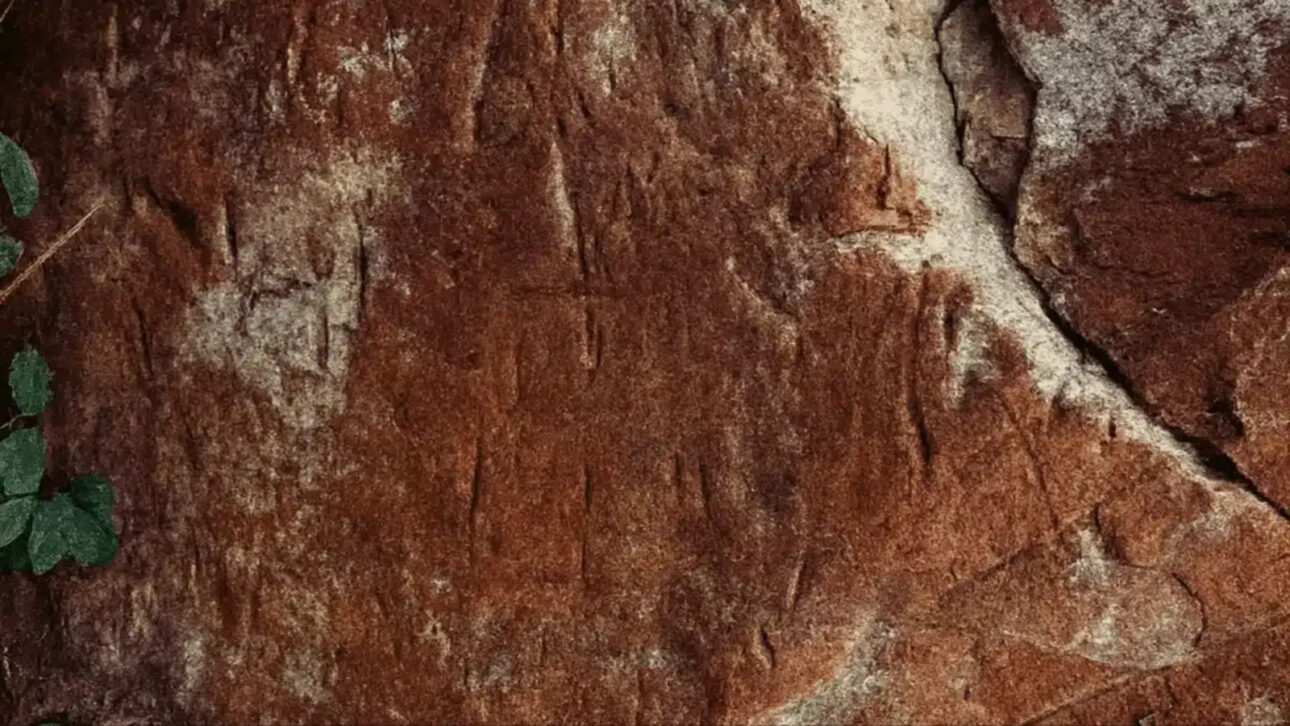
The sandstone walls of Ta Kueng Cave feature prehistoric engravings with geometric shapes and motifs described as “three-finger patterns.”
These elements drew attention because, according to the information released, they do not seem to correspond to rock art already documented at other sites in northern Thailand.
Based on the initial observations, authorities believe that the site may have been occupied around 2,000 years ago, during the prehistoric Metal Age of Thailand. The date, however, still depends on scientific confirmation.
Archaeology News reported that Mongkol Khamsuk, head of the Phu Khat Wildlife Sanctuary, classified the cave as a significant natural resource and an important cultural and historical landmark.
Isolation helped preserve the site, but hinders research
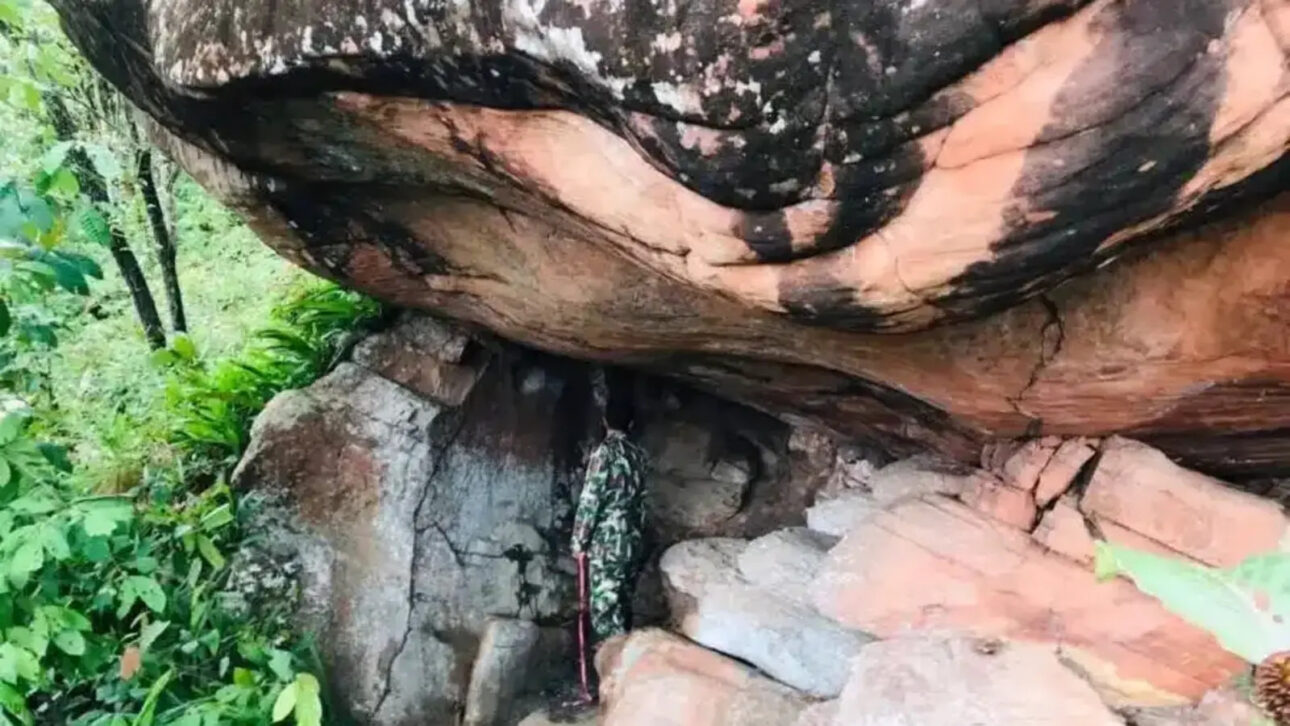
The isolated location of the cave likely contributed to the site remaining preserved over time.
At the same time, this same isolation may hinder access by archaeological teams when studies begin.
So far, Ta Kueng Cave has only undergone visual assessment. The next steps will depend on the arrival of specialists at the site and the implementation of scientific methods capable of confirming age, human use, and relation to other sites in the region.
Expected works include 3D mapping, pigment analysis, radiocarbon dating, contextual excavation, and comparison with other archaeological sites.
These steps may help understand who produced the engravings and what the function of the space was.
Thailand already has other cave sites, but this case stands out
Thailand has a significant collection of prehistoric archaeological caves. According to the same source, caves in Mae Hong Son have already revealed wooden sarcophagi dated from 1,000 to 2,300 years ago.
Other sites also presented Iron Age tombs and prehistoric artworks. Even so, the authorities noted that none of these discoveries resemble the engravings found inside the Ta Kueng Cave.
For researchers, future study could expand knowledge about the region’s history, the ecosystems of conservation forests, and the relationship between natural and cultural heritage in the country.
This article was prepared based on information from the Department of National Parks, Wildlife and Plant Conservation of Thailand and Archaeology News, with data, numbers, and statements preserved as per the consulted material.