Portuguese
  Spanish


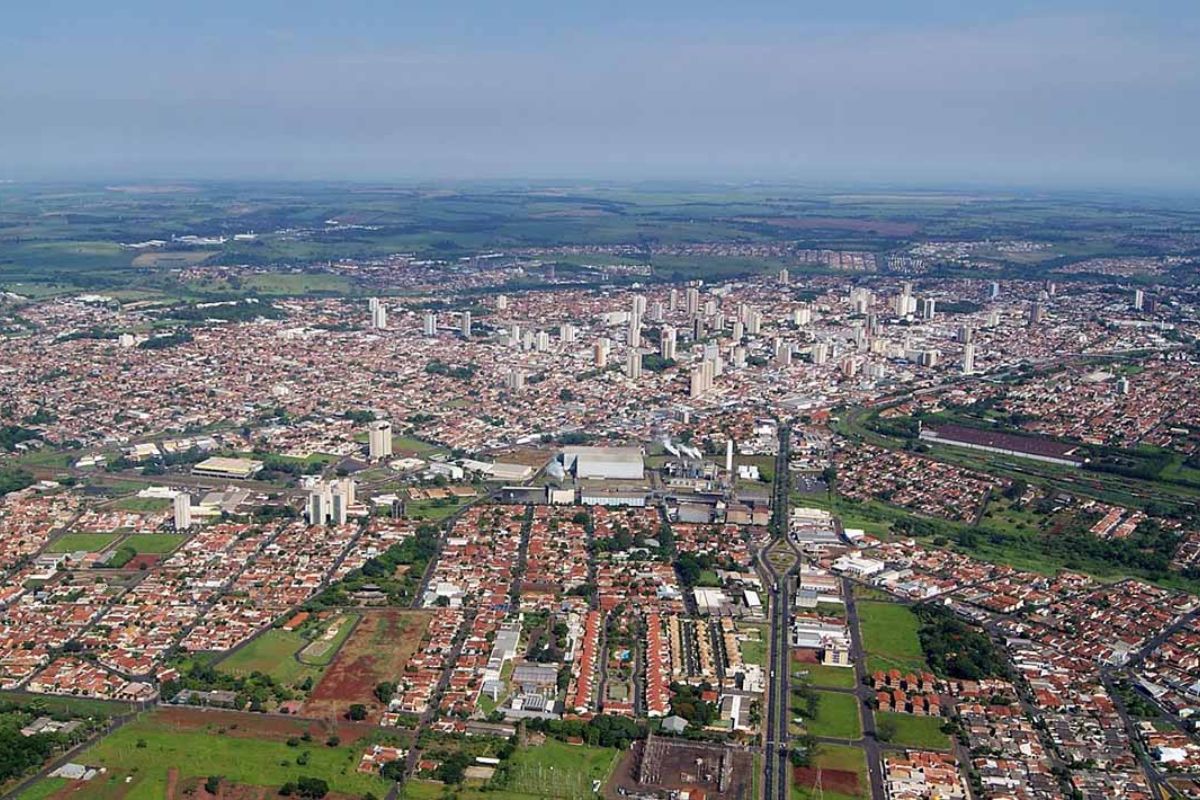

Known as “Home of the Sun”, Araraquara stands out for its quality of life, cultural tradition, and strong identity in the interior of São Paulo.
The Home of the Sun is one of the most sought-after destinations for those looking to live in harmony between tradition, culture, and well-being. Located in the interior of São Paulo, the city of Araraquara attracts attention for its development, preserved heritage, and services that ensure quality of life for residents and visitors.
According to data from PNUD/Ipea/FJP, Araraquara achieved a Municipal Human Development Index (MHDI) of 0.815 in 2010, classified as very high, which confirms the city’s reputation as one of the best in the Southeast to live in.
Tradition and Cultural Identity
The Home of the Sun preserves its history through cultural spaces and traditional events. The Francisco Aureliano de Araújo Railway Museum keeps alive the memory of the city’s strategic role in the development of São Paulo’s railway system. Meanwhile, the Saint Benedict Matriz is one of the most important religious symbols in the region.
-
Eco Invest Auction Aims to Unlock $10 Billion in Investments, Focusing on Green Fertilizers, Critical Minerals, Batteries, and AI for Clean Industry in Brazil

-
Half of Brazilians Prefer Lower Taxes with Private Health and Education, While 44% Opt for Higher Taxes for State-Provided Services, Datafolha Survey Reveals

-
Brazil’s Most Expensive Toll Rises to R$ 40.60 on Route from São Paulo to the Coast, Nearly Matching Bus Fare to Santos

-
As Brazil Expands Social Welfare, Survey Reveals 40% Blame Poverty on Laziness, While 58% Cite Lack of Opportunities




Events such as the Facira (Agricultural and Industrial Fair of the Araraquara Region) bring together tradition and modernity, boosting the economy and reinforcing the sense of belonging among the local population. The cultural strength of the city is one of the pillars that sustain its prestige in the interior of São Paulo.
Quality of Life and Pleasant Climate
The tropical highland climate makes the Home of the Sun an inviting place year-round. According to INMET, the annual average is 22.5 °C, with hot and humid summers and milder, drier winters. This balance favors both those seeking well-being in their daily lives and visitors wanting to experience the city at different times.
Araraquara is also recognized as a hub for services, education, and healthcare, attracting residents from neighboring cities. This combination of factors ensures above-average quality of life and reinforces the image of an organized and welcoming city.
What Makes the Home of the Sun Special
Among the secrets of the Home of the Sun is the combination of tradition, modernity, and infrastructure. The city maintains a strong connection with sports, especially football, through the Arena da Fonte Luminosa, and also offers a diverse hotel network for tourism and business, such as the Gran Hotel Home of the Sun and the Comfort Hotel Araraquara.
Moreover, religious festivals, cultural and sports events throughout the year transform Araraquara into a meeting point between past and future. The preservation of historical heritage combined with modernization of services makes the city a reference in well-being in the interior of São Paulo.
Araraquara, the Home of the Sun, is much more than an interior city: it is an example of how tradition and quality of life can walk hand in hand. Recognized for its cultural heritage, hospitality, and the well-being of its residents, the city consolidates as a reference in the interior of São Paulo.
And you, have you visited the Home of the Sun or are you thinking of living in Araraquara? Do you think this quality of life really makes a difference in daily life? Leave your opinion in the comments — we want to hear from those who have lived this experience.