Portuguese
  Spanish



In The Interior Of São Paulo, The City Of São José Dos Campos Approved The Company Cápua Projetos E Construções For The Implementation Of Solar Power Plants
The City Hall Of São José Dos Campos, In The Interior Of The State Of São Paulo, Approved The Company Cápua Projetos E Construções For The Implementation, Maintenance, And Management Of Photovoltaic Solar Power Plants, Which Will Power The Electric Bus System In Lot 01 Of The Municipality’s Transport System. Also See: Contract Signed For The Construction Of New Solar Power Plants In The State Of São Paulo
- Water Crisis In São Paulo May Affect Agribusiness And Energy Sector
- Totally Free And Online Event Teaches Brazilians How To Secure The Desired Job Position And Work In Canada
- The Largest Technology Company In The Human Resources Sector In Latin America Reveals The Main Professions Of The Future; Invest In The Most In-Demand Careers And Secure Your Job Position
- Renault Decides To Extend The Halt In Production At The Automobile Factory In São José Dos Pinhais, Paraná, For Another 15 Days; Understand What Will Happen With Kwid, Duster, Captur, And Sandero
- Bertioga – SP Opens 410 Vacancies In Free Online And EAD Courses In The Areas Of Photography, Audiovisual, Music, And Literature
The Solar Power Plant Project That Will Power The Electric Buses
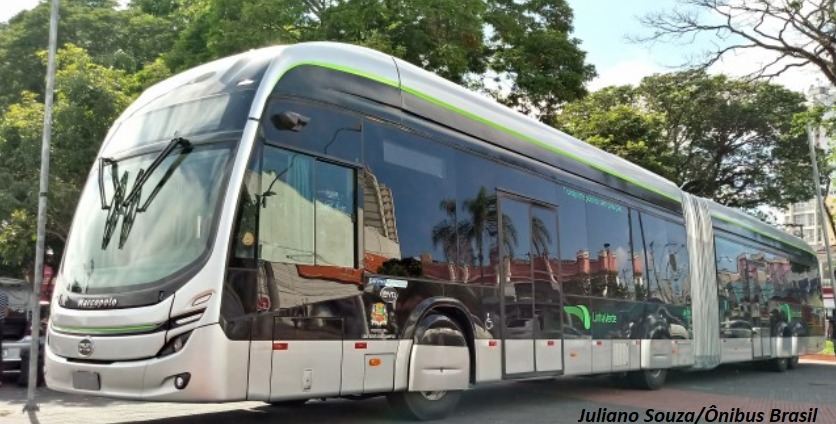
The Model Is Of Distributed Generation, Including The Management Of Electricity Credit Compensation. There Will Be 12 Articulated Electric Buses 22 Meters Long, Purchased By The City Hall Of The Interior Of São Paulo, To Circulate In The So-Called Green Corridor, Which Will Have A Total Extension Of 25 Km. The First Stage Will Have 14.5 Kilometers And Will Connect The Southern And Eastern Regions, Considered The Most Populous, Passing Through The City Center.
The Vehicles That Will Operate In The City In The Interior Of The State Of São Paulo Have Chassis, Batteries, And Systems Made By BYD And Marcopolo Attivi Express Bodywork. Lot 01 Covers The Northern, Western, And Southern Regions; And Will Host The Southern Stretch Of The Green Line Project (Electric Bus Corridor). In The Case Of The Green Line, The 22-Meter Electric Buses Made By BYD And Marcopolo, The Concessionaire Of Lot 1 Will Cover The Operating Costs, Including Maintenance Of Rolling Stock And Energy When The Southern Stretch Of The Green Line Is Ready For Operation.
-
Engie Secures 10-Year Use of 625 MWh in Batteries to Store Excess Solar and Wind Energy in Spain by 2028

-
Giant Batteries Take Center Stage in Chile Auction as Company Offers 960 GWh of Solar Energy for Nighttime Use, Aiming to Stabilize Solar Power Supply
-
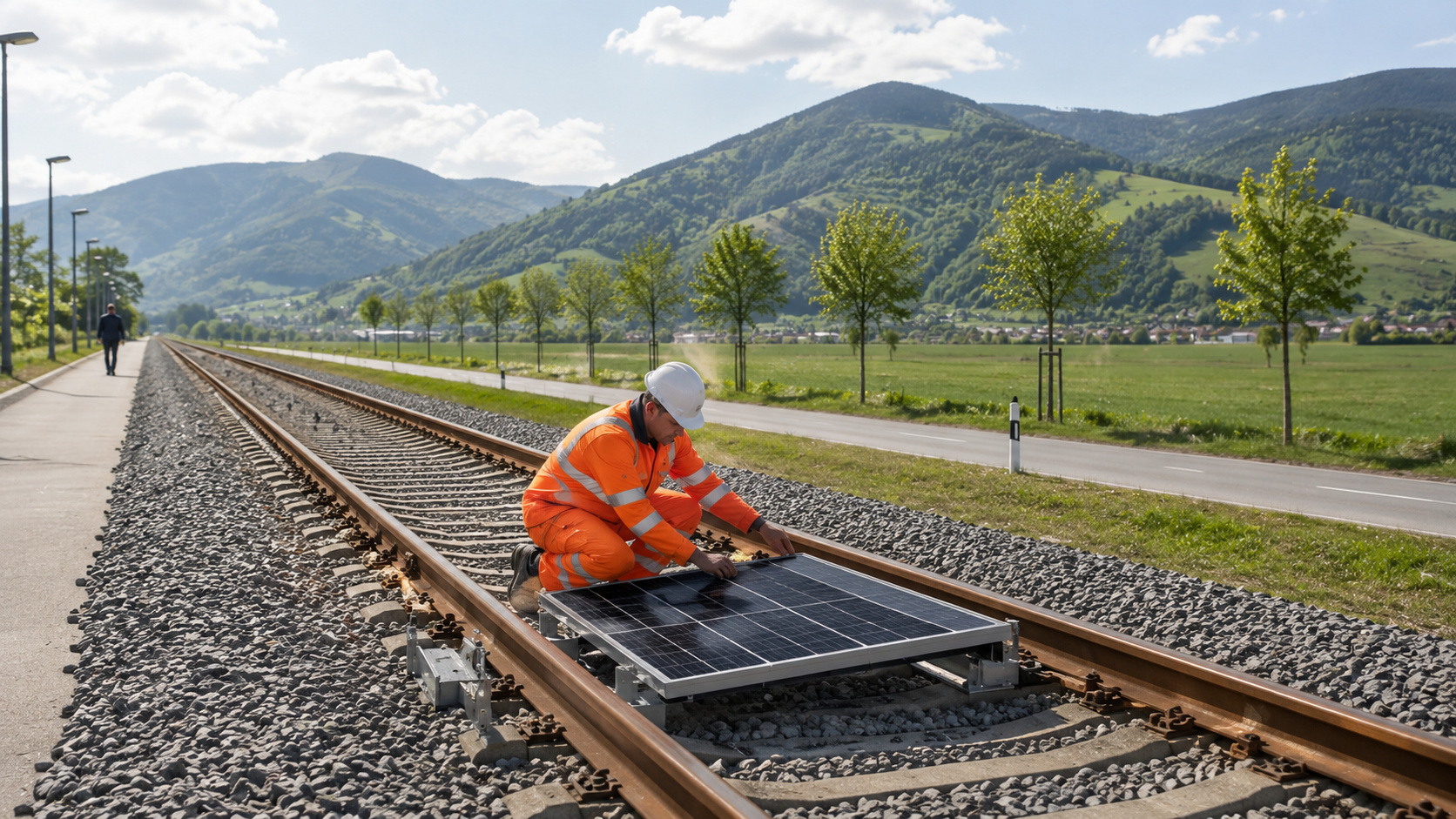
After a Year of Success in Switzerland, Solar Railway Attracts Italy’s Interest for Clean Energy Transformation
-
Robots Clean Solar Panels in Desert Power Plants Without Water, Preventing Energy Losses


Check Out This News: New Solar Energy System Installed At Train Station In São Paulo
In Vila Olímpia, In The City Of São Paulo, There Is Now Its First Sustainable Train Station, Designed In Partnership Between Eletromidia And Banco Santander. EDP, A Company That Operates In All Segments Of The Electricity Sector, Was Responsible For The Solar Energy Utilization System, Which Will Produce 8,500 KWh Of Clean Energy Monthly.
The Purpose Of This New Train Station In São Paulo, With Solar Energy Equipment, Is To Contribute To A More Pleasant Experience For People Using The Station. After Carefully Analyzing The Flows Of The Station, The Creation Team Of Eletromidia Brought Various Solutions That Reduce Environmental Impact, Employing Sustainability Concepts And Improving The Circulation And Stay Of Users. The New Sustainable Vila Olímpia Station, Designed In Partnership Between The OOH Company Eletromidia And Santander, Received Solar Energy Utilization And Sewage Water Reuse Systems. The Energy Generated By The Station Can Supply About 40 Houses, And The Monthly Water Savings Expected Reaches 150 Thousand Liters Of Water.
In Addition To The Installation Of Solar Panels, The Station Will Also Feature More Than 1,500 M² Of Green Area, Which Reduces The Temperature Of The Environments, Among Other Benefits. The Vertical Gardens Will Be Irrigated By A System That Reuses The Sewage Water From The Station Itself Through Wetlands (Constructed Wetlands). Basic Equipment Such As Benches And A New Canopy That Protects Users From Rain Are Made Of Sustainable Materials. The New Benches Feature USB Charging Points For Electronics, And For Cyclists, Channels To Facilitate The Transportation Of Bicycles Up The Stairs.