






 Portuguese
  Spanish


Science Breaks Boundaries and Revives a Legendary Predator, Mixing Cutting-Edge Genetic Technology, Mystery, Fiction, and Ethical Dilemmas. A Billion-Dollar Startup Recreates Extinct Animals and Divides Public Opinion by Reshaping the Past to Alter the Future of Biodiversity.
Cutting-edge genetic technology has enabled the birth of three puppies with DNA inspired by the legendary prehistoric predator.
But not everyone is convinced that the animal has truly come back to life.
What once seemed like science fiction is now drawing closer to reality.
-
China Develops Custom 140-Ton Electric Mining Truck with 770 kWh Swappable Battery, Deploys 290 Units in Xinjiang’s Largest Zinc Mine

-
Meta to Launch Arena, a New Prediction App Targeting 3.56 Billion Users, Competing with Polymarket and Kalshi

-
Scientist Challenges Famous Human Evolution Theory, Argues Homo Sapiens Evolved Gradually Over Thousands of Years
-
How to Prevent Brown Recluse Spider Bites: Common Hiding Spots and Free Tips to Reduce Risks




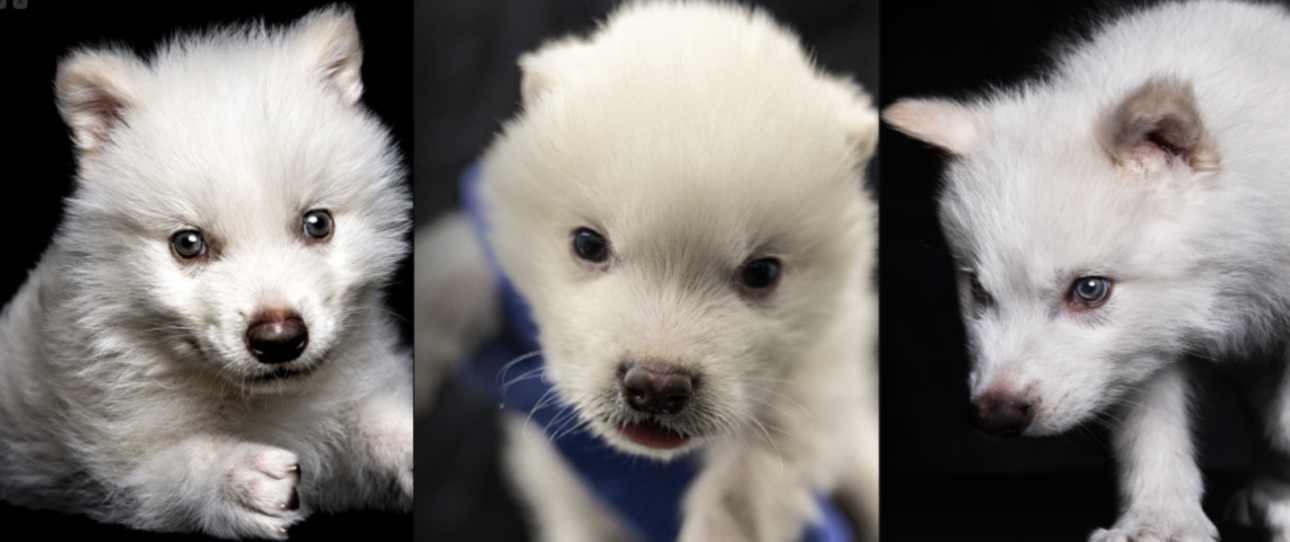
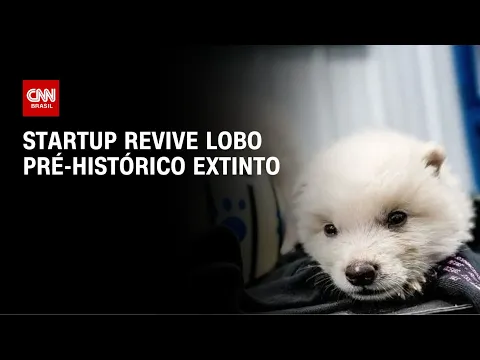
The American startup Colossal Biosciences announced the creation of three puppies that carry part of the genetic code of the dire wolf, an extinct species that vanished over 10,000 years ago and was immortalized in popular culture through HBO’s “Game of Thrones.”
Two males, named Remus and Romulus, and a female named Khaleesi were born with genetic characteristics based on fossils of Canis dirus, the scientific name of the feared prehistoric predator.
According to the company, the puppies exhibit behavioral and physical traits inspired by the animal that roamed the Americas during the Pleistocene.
The news, announced on April 7, 2025, stirred the scientific community and fans of the series.
Cutting-Edge Technology to Rewrite History
The feat was made possible by using advanced genetic editing technologies, such as CRISPR-Cas9, which allowed Colossal scientists to modify the DNA of gray wolves, the distant relatives of dire wolves.
The researchers decoded the genomes of fossils up to 72,000 years old, extracted from well-preserved teeth and skulls found in Venezuela, the United States, and Canada.
From this foundation, they created a hybrid code compatible with that of modern wolves.
The embryos generated with this modified DNA were implanted in domestic dogs, which served as “surrogates” for the puppies’ birth.
Currently, the animals are under care at a wildlife preservation center in a confidential location in the United States.
This measure was adopted to prevent crowds of onlookers and protect the specimens.
A Scientific Breakthrough with a Name and Inspiration from Pop Culture
Remus and Romulus honor the mythological brothers raised by a she-wolf in the founding of Rome.
Khaleesi references the character from House Targaryen, a symbol of power in “Game of Thrones.”
Dire wolves, though not as large as today’s gray wolves, were robust predators weighing around 80 kilograms.
Their prey included ancient bison and even mastodons.
Their legacy was revived in HBO’s series, where the “dire wolves” are portrayed as loyal companions to the Stark family.
Additionally, they also appeared in the song “Dire Wolf” by the band Grateful Dead.
More than Nostalgia: Science Focused on Preservation
Despite the emotional connection to pop culture, Colossal Biosciences claims its mission goes beyond entertainment.
The startup has already announced projects to resurrect other extinct species, such as the woolly mammoth, the dodo, and the thylacine (or Tasmanian tiger), aiming to apply the knowledge gained in conserving endangered species.
According to the company, learning from the DNA of the dire wolf may aid in the preservation of the red wolf, one of the most endangered species in the United States.
Likewise, studies on the mammoth could help develop elephants more resistant to global warming.
In March 2025, Colossal surprised everyone by creating a woolly mouse using genes from the woolly mammoth, combining thick fur with a metabolism adapted to cold.
The initiative emphasizes the company’s potential to drive research in genetics and evolution.
With over 130 scientists and an estimated market value of $10 billion, Colossal positions itself as a global leader in the “de-extinction” movement — the science of bringing back extinct species.

Criticism from the Scientific Community: Wolf or Just a Hybrid?
Despite the company’s enthusiasm, the international scientific community remains skeptical about the legitimacy of the achievement.
Corey Bradshaw, a professor of Global Ecology at Flinders University in Australia, states that the created animals cannot be considered pure dire wolves.
“These modifications appear to have been derived from genetic material recovered from the dire wolf. Does that make them dire wolves? No. Does it make them slightly modified gray wolves? Yes,” he told the press.
According to Bradshaw, the lack of solid evidence and the absence of peer-reviewed scientific publication makes the announcement a “huge red flag.”
He argues that there is exaggeration, if not misinformation.
Paleogeneticist Nic Rawlence from the University of Otago in New Zealand shares the same view.
“The dire wolf is in a completely different genus than gray wolves […]. Of about 19,000 genes, they determined that 20 changes in 14 genes gave them a dire wolf,” he explained in an interview with BBC News.
To critics, the result obtained by Colossal is closer to a genetically modified hybrid than a true specimen of the extinct species.
Wild Behavior and Ethical Challenges
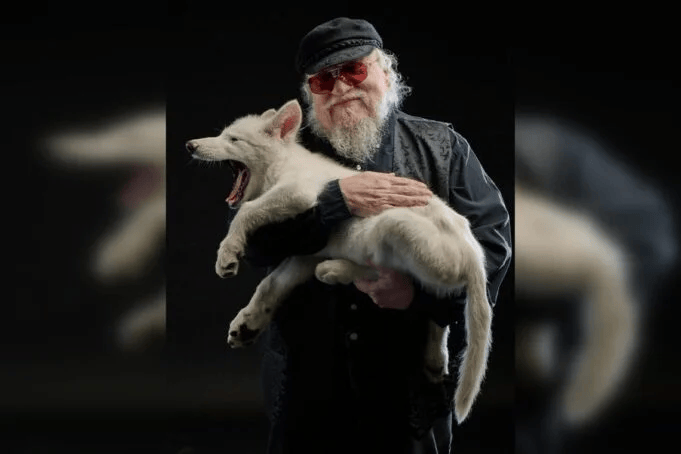
During a visit to the center where the puppies are housed, journalists from Time observed that the animals exhibit shy behavior and avoid contact with humans, including with the caregivers who have fed them since birth.
This indicates a wilder instinct, possibly inherited from their genetic ancestors.
However, not everything is rosy.
The use of animals as surrogate mothers raises ethical concerns, as the process can cause suffering and even death during childbirth.
Moreover, introducing extinct species into modern ecosystems can generate unpredictable environmental impacts, disrupting food chains and threatening local biodiversity.
Ben Lamm, CEO of Colossal, and Beth Shapiro, the company’s scientific director, argue that de-extinction is an effective way to combat biodiversity loss.
According to data from the Center for Biological Diversity, up to 30% of global genetic diversity may disappear by 2050 if nothing is done.
Still, the debate about how far science should go remains heated. The boundary between innovation and ethical responsibility requires constant attention.
Which species would you bring back, reader? Leave your opinion in the comments!



