Portuguese
  Spanish


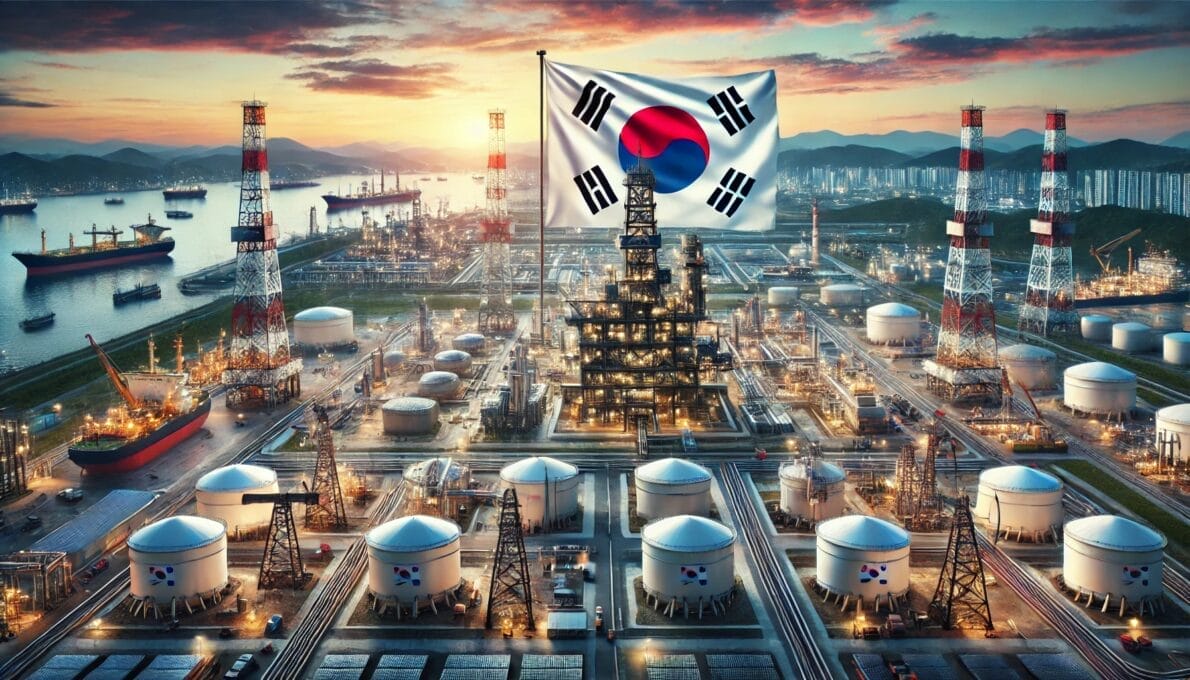

Brazilian Scientist May Be Responsible for Discovering the Largest Oil and Gas Reserve on the Planet in South Korea. Understand How This Find Could Change the Global Economy.
Brazilian scientist discovers potential largest oil and gas reserve on the planet: Last week, Vitor Abreu, a Brazilian geologist and head of a consultancy in Houston, Texas, was welcomed as a prominent figure in Seoul, South Korea, by a crowd of reporters. Abreu made a monumental discovery: the largest oil and gas reserve on the planet. This revelation promises to revolutionize the global energy sector. Understand how this extraordinary discovery was made by the Brazilian scientist and the potential impacts of this new reserve.
Largest Oil and Gas Reserve in the World May Contain 14 Billion Barrels
The scientist’s company identified what could be one of the largest oil and gas deposits in the world off the coast of South Korea, according to an announcement by President Yoon Suk Yeol. This find by the Brazilian scientist promises a significant energy boost to the country, which heavily relies on fuel imports.
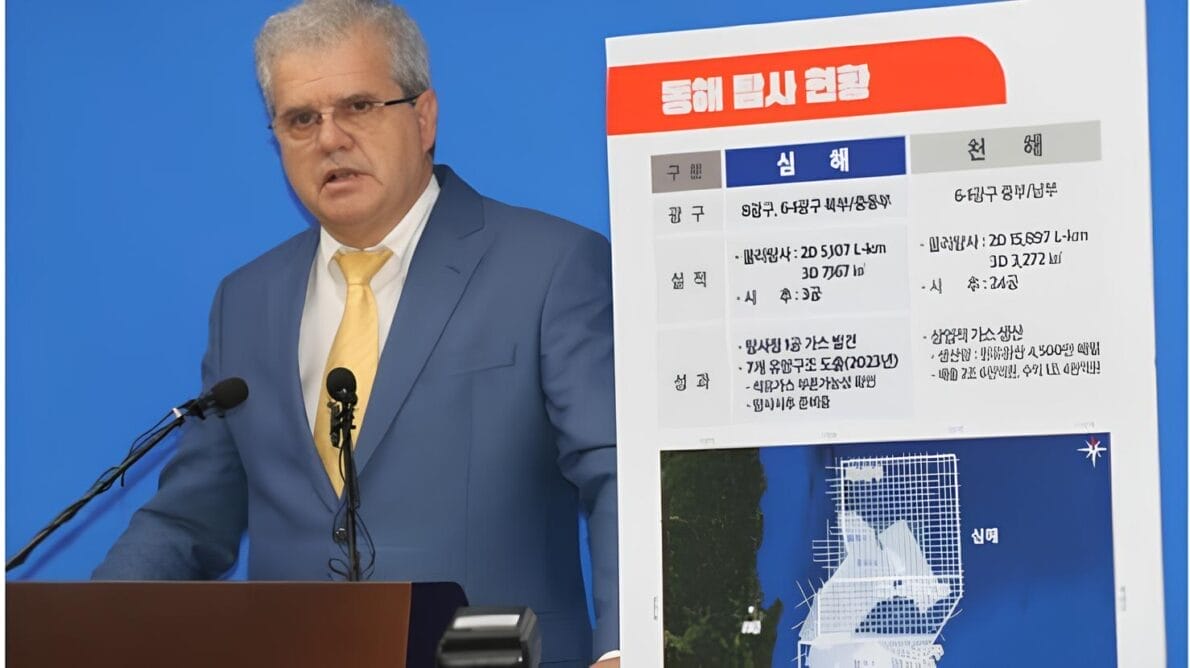
The president of South Korea detailed that the discovery may contain up to 14 billion barrels equivalent of resources, sufficient to cover four years of oil consumption and 29 years of gas demand for the country. This information boosted local oil and gas stocks and dominated social media for several days.
-
Helsinki Residents Receive Water That Travels 120 Kilometers Through a Hidden Rock Tunnel from a Lake Before Treatment

-
SENAI Launches $36 Million Innovation Round to Boost Brazilian Manufacturing Productivity and Reduce Business Risks with R&D Projects by 2026
-
Indonesia Plans to Build 5,000 Suspension Bridges by 2026 to Connect Rural Communities to Schools, Health Centers, and Markets
-
U.S. Invests $75 Million in Projects to Extract Rare Earths, Gallium, Germanium, and Aluminum from Coal Waste




However, the operational success of the oil and gas reserve is uncertain, with predictions that production may only start within seven to ten years, extending beyond 2050, the time when South Korea plans to achieve carbon neutrality.
During a press conference, the Brazilian scientist managed expectations by mentioning that, although there is great potential in the largest oil and gas reserve on the planet in the basin offshore the southeast coast, the chance of success in fuel production is only 20%, a standard in the industry. “It’s still risky,” he stated, emphasizing the possibility of 80% failure.
Company of the Brazilian Scientist Will Work in Conjunction with KNOC
The context is complicated by the history of previous explorations in the same region of South Korea. Woodside Energy, after about 15 years of joint operations with the Korea National Oil Corp., abandoned the project last year, classifying the area as unprospective.
ACT-Geo, the company of the Brazilian scientist, entered and won the bid to continue the assessment in partnership with KNOC in 2023. However, there was significant criticism, as the South Korean media raised questions about the history of ACT-Geo, and opposition politicians accused President Yoon of rushing to announce the discovery before drilling began in the largest oil reserve on the planet.
Understand What the South Korean Media Says
They expressed concerns about the high financial cost to taxpayers, given the uncertainty of the results, which will only be known after the exploration of the largest oil and gas reserve on the planet, expected to start in 2025.
According to Suraya Tulot, senior analyst at Welligence Energy Analytics, emphasizing the speculative nature of the discovery, the president may present many theories, but they will not be proven until the wells are drilled.
With the results of the scientist’s discovery still distant, the community and investors maintain a mix of hope and skepticism about the true impact and viability of the project.
The main opposition party stated in a statement that Koreans cannot tolerate a hint of doubt about the project’s viability, as it is likely to cost an astronomical amount of taxpayer money. According to Kim Sungwhan, a legislator from the opposition Democratic Party, it will take years to know if the reserve is commercially viable.