Portuguese
  Spanish


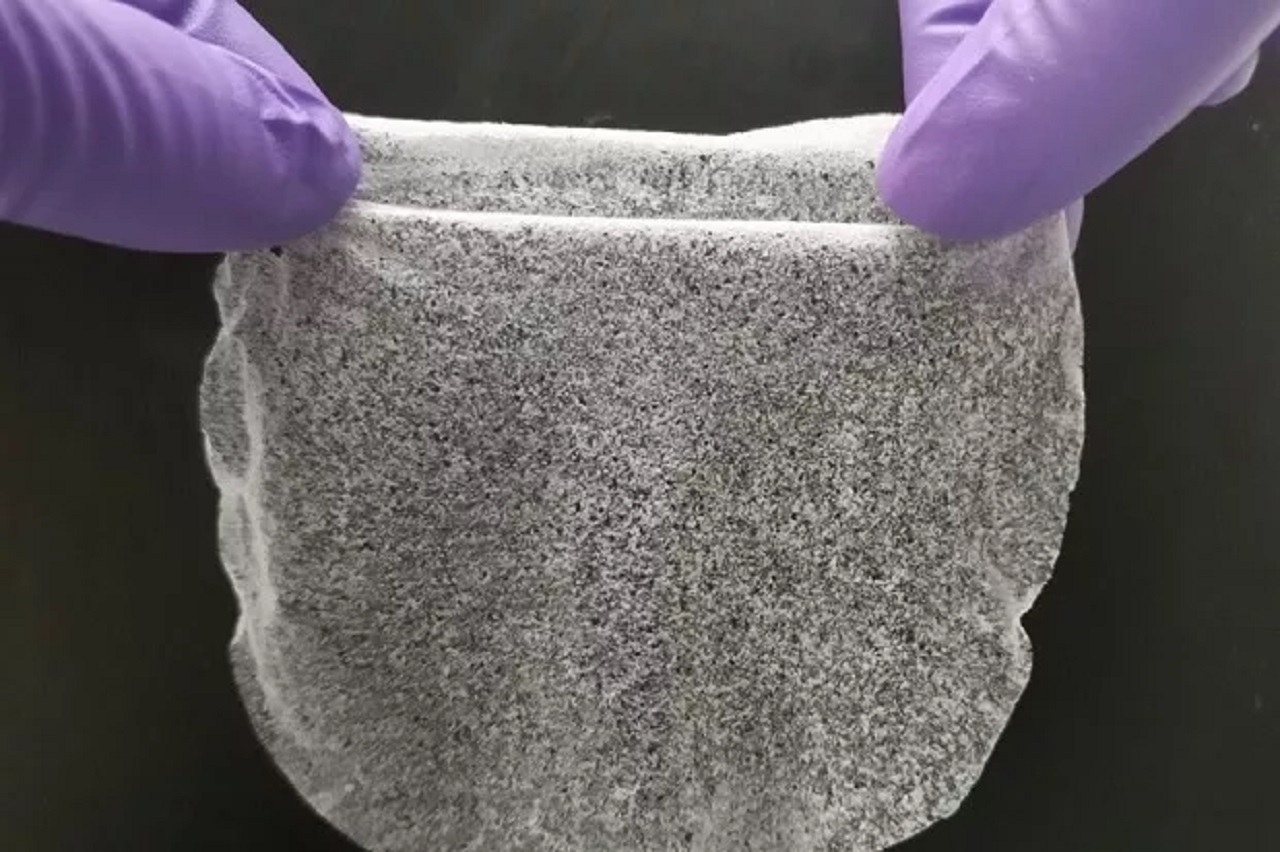

Texas Scientists Developed A Simple Product Capable Of Generating Drinking Water From Air Humidity. In Addition To Being Efficient And Producing Up To 13 Liters Daily, The Material Costs Only US$ 2 Per Kilogram.
The estimate is that more than one-third of the world’s population lives in arid environments, with very restricted access to drinking water. With this in mind, scientists and engineers at the University of Texas in Austin created a simple yet powerful technology aimed at helping people facing this type of problem. The product is a low-cost gel film capable of producing up to six liters of drinking water per day in regions with less than 15% humidity and up to 13 liters in areas with 30% relative humidity. What makes the scientists’ project so important is the price of the material, which costs about US$ 2 per kilogram.
Scientists’ Gel Is Made From Renewable Cellulose
The team of scientists had previously worked on other innovations in drinking water like this, however, they required a somewhat higher humidity level, making this the first material capable of capturing water with less than 30%. According to the professor in the Mechanical Engineering Department at the Cockrell School of Engineering, Guihua Yu, the gel could allow millions of people to have simple devices for water production at home, which can be easy to handle.
The gel film is composed of konjac gum and a common renewable cellulose. The open-pore structure of the gum further enhances moisture capture from the air.
-
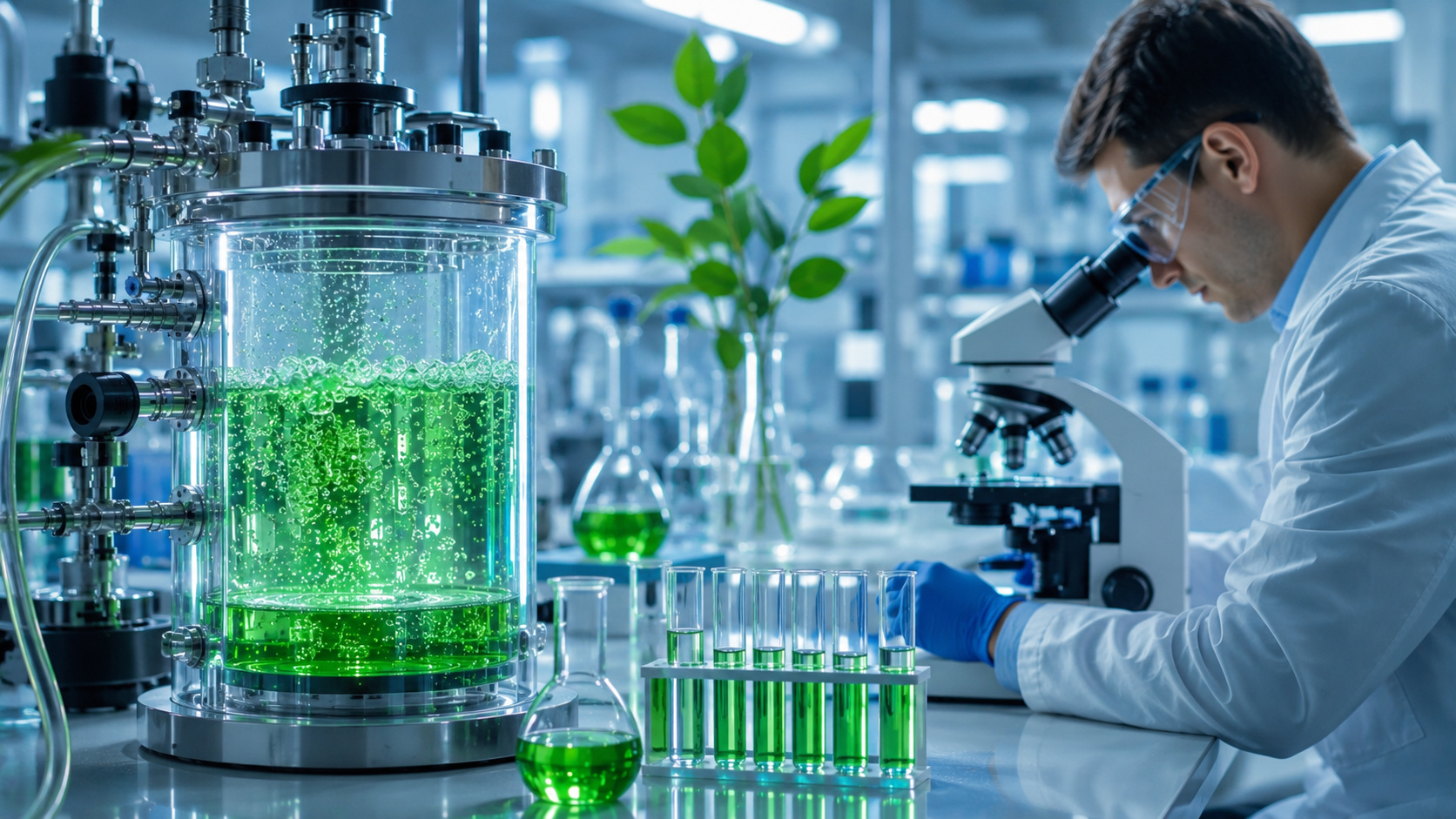
Brazilian scientists are simultaneously advancing two research projects on clean hydrogen and driving solutions that could transform the energy matrix, enhance industrial competitiveness, and accelerate large-scale emission reduction targets.

-
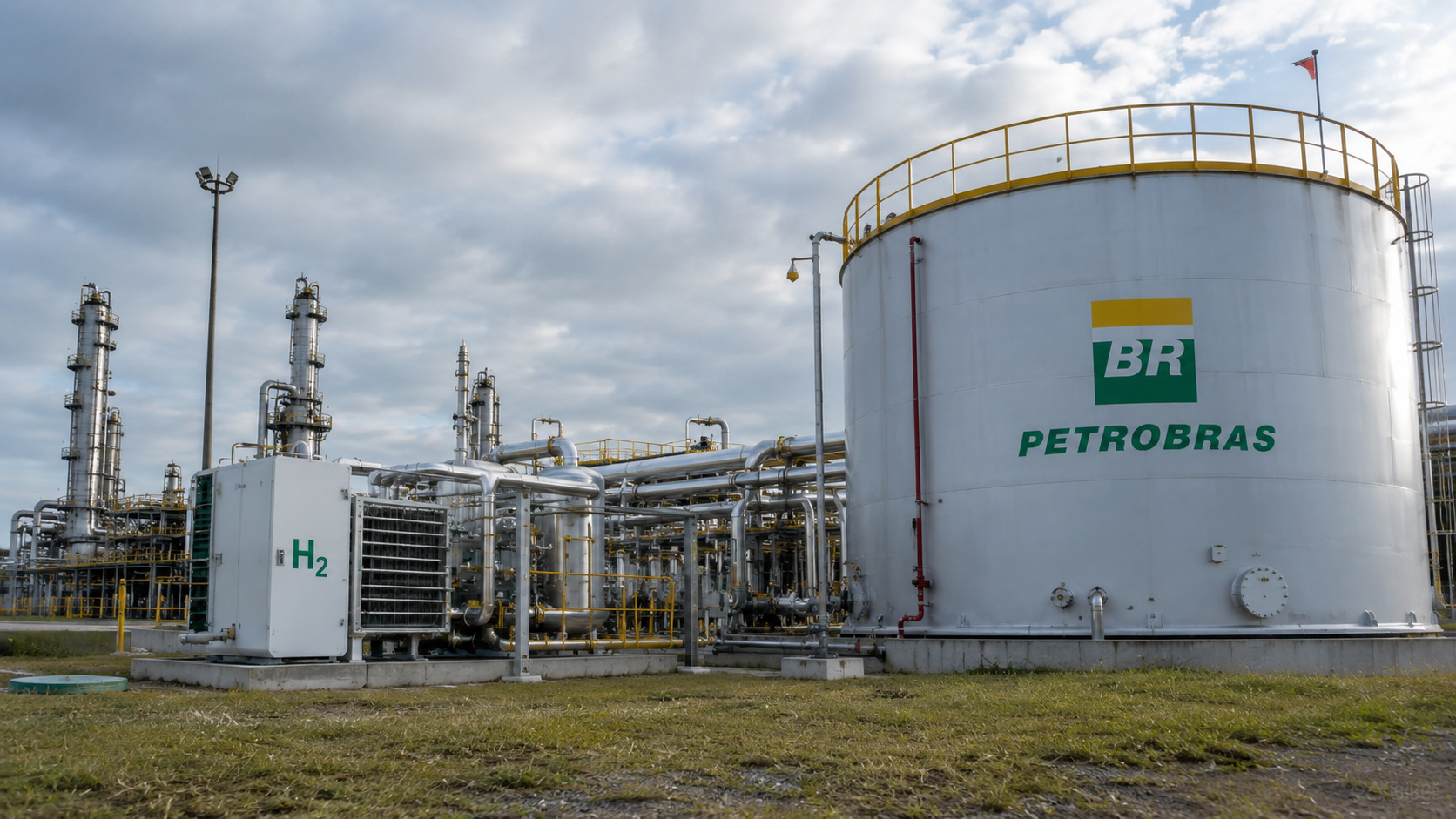
Advancement in renewable energy: A R$ 150 million project launched by Petrobras and Finep aims to create state-of-the-art electrolyzers for green hydrogen, strengthening national research and preparing Brazil to compete in a billion-dollar energy market.
-
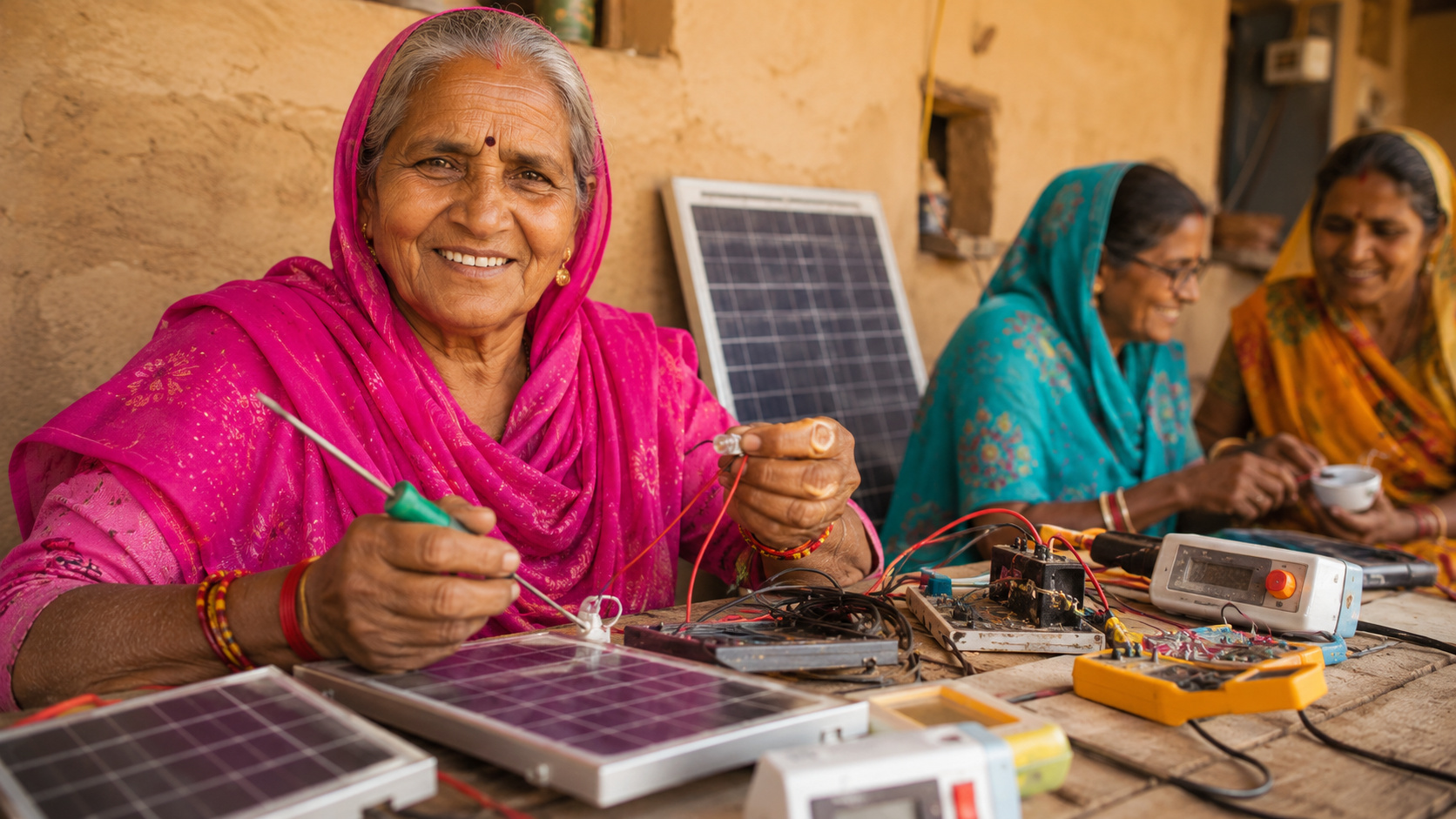
Illiterate or semi-literate grandmothers were trained to repair solar systems, open rural workshops, and light up homes that still depended on kerosene.
-
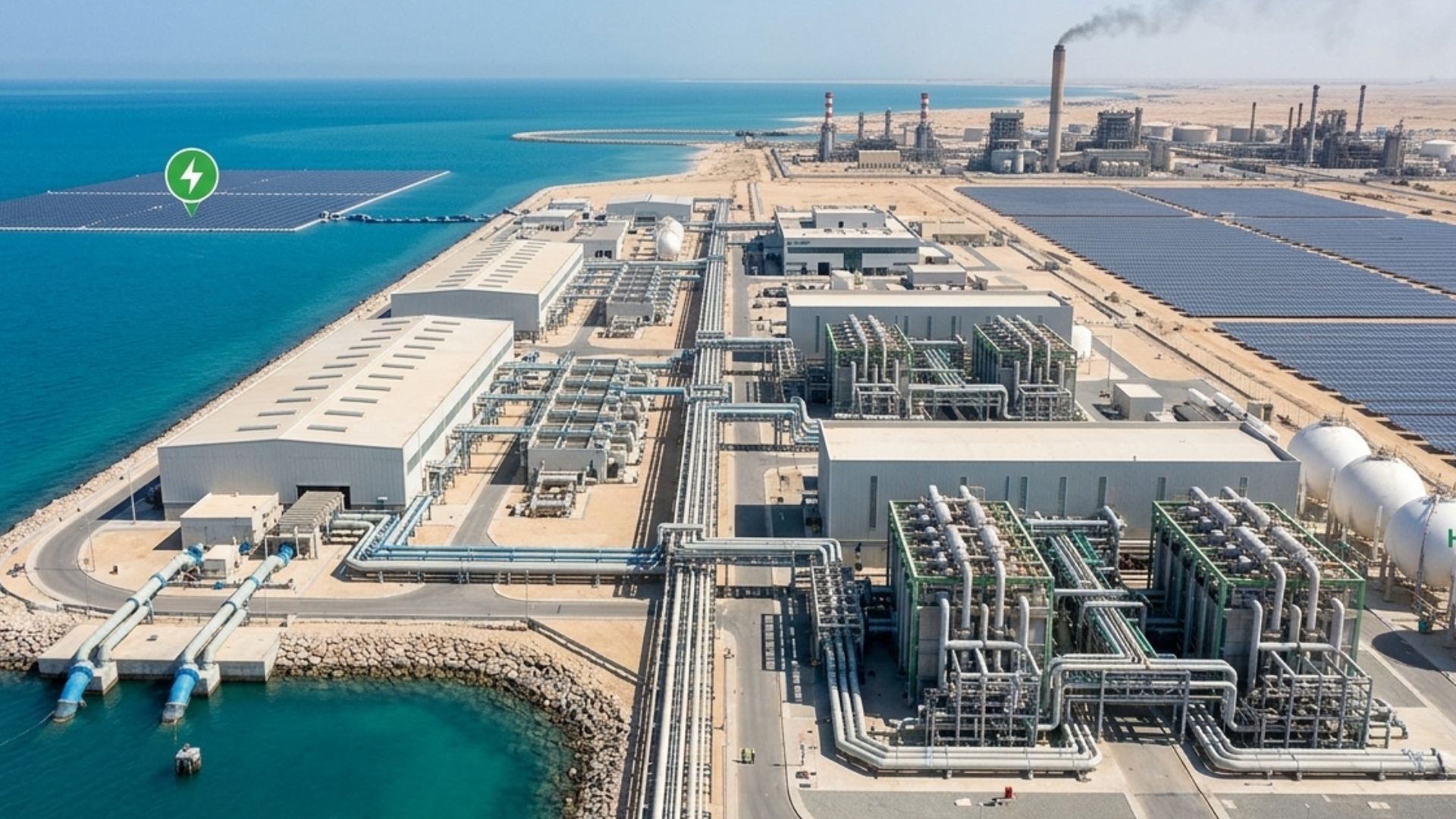
The world has bet on green hydrogen as the fuel of the future, but now faces the side effect: producing 1 kilogram requires about 9 liters of ultrapure water, and the largest projects on the planet are precisely in the driest regions of the Earth, where water is already scarce for people.

The other component is athermo-responsive cellulose with hydrophobic interaction, meaning it is water-resistant when heated, helping to release the collected water immediately. According to the team of scientists, this reduces electricity consumption during water production.
Scientists’ Equipment Is Easy And Simple To Put Into Practice
The film capable of generating drinking water is flexible and can be molded into various shapes and sizes, depending on user demands.
To use it, only the gel precursor is needed, which contains all the ingredients. According to the main author of the scientific article and former doctoral student in Guihua Yu’s lab, Youhong “Nancy,” the idea was to create something simple that could be replicated by anyone in their own kitchen. No degree is required to use the equipment, according to the author.
Scientists From The Moonshot Factory Develop Device That Can Generate Drinking Water From Solar Energy
With the aim of reducing water scarcity, scientists from Alphabet’s Moonshot Factory developed a device that uses solar energy to capture water from air humidity, potentially providing drinking water for one billion people around the world with renewable energy.
The developers claim that a solar energy collection area measuring 1 m² is sufficient to generate up to 5 liters of drinking water daily. However, this level of performance is only possible under certain conditions, in addition to sufficient sunlight and temperatures, with humidity of at least 30%.
This makes the device, while highly useful in tropical climates, unlikely to meet the demands of those living in arid environments. According to scientists, a large part of the people facing drinking water scarcity problems live in Sub-Saharan Africa or India, where the conditions are favorable for use.