Portuguese
  Spanish




The Role of the Trisulfide Complex in Deposits
In September 2025, an international study brought crucial advances regarding the formation of gold deposits.
Researchers from the University of Michigan, along with scientists from China, Australia, Switzerland, and France, identified the trisulfide complex as an essential component in the transport of gold.
This transport occurs from the Earth’s mantle to the surface.
-
China could reduce iron ore imports from 80% to 50% of consumption by 2030, while its share in global steel production falls from 52% to 46%, in a shift that could reshape the global market, says CMRG.

-
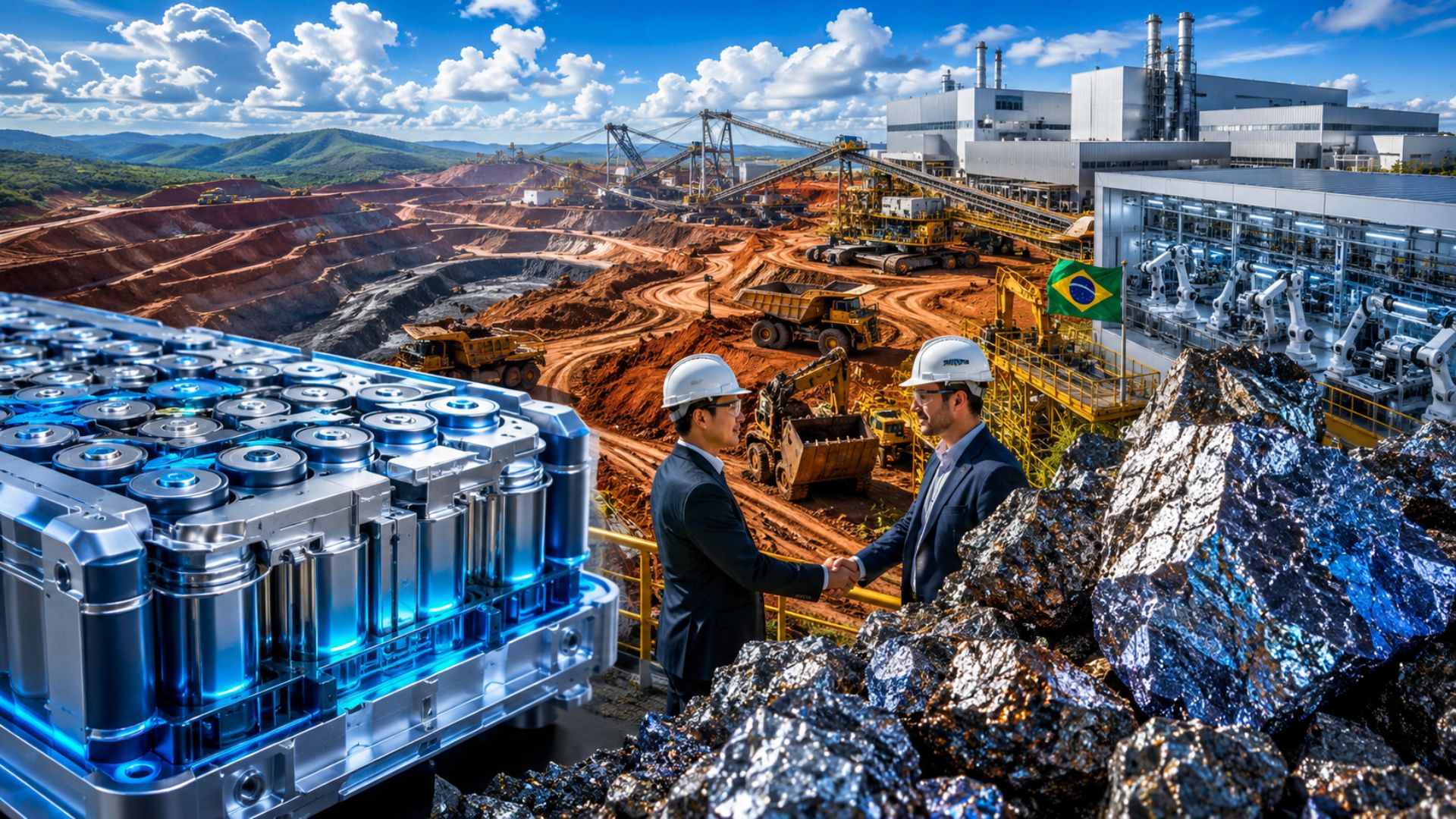
Brazil is sitting on one of the largest lithium reserves in the world, in the Jequitinhonha Valley, but national mining has almost become an appendage of China: 97% of the metal’s export goes to a single country, which also dominates refining.
-
Iron ore falls to 762 yuan in China as real estate sales decline and steel production hits lowest level since 2018
-
Brazil has minerals, clean energy, and a waiting market, but it could miss a billion-dollar opportunity if it doesn’t speed up the race for green minerals, while the steel industry seeks to reduce emissions.


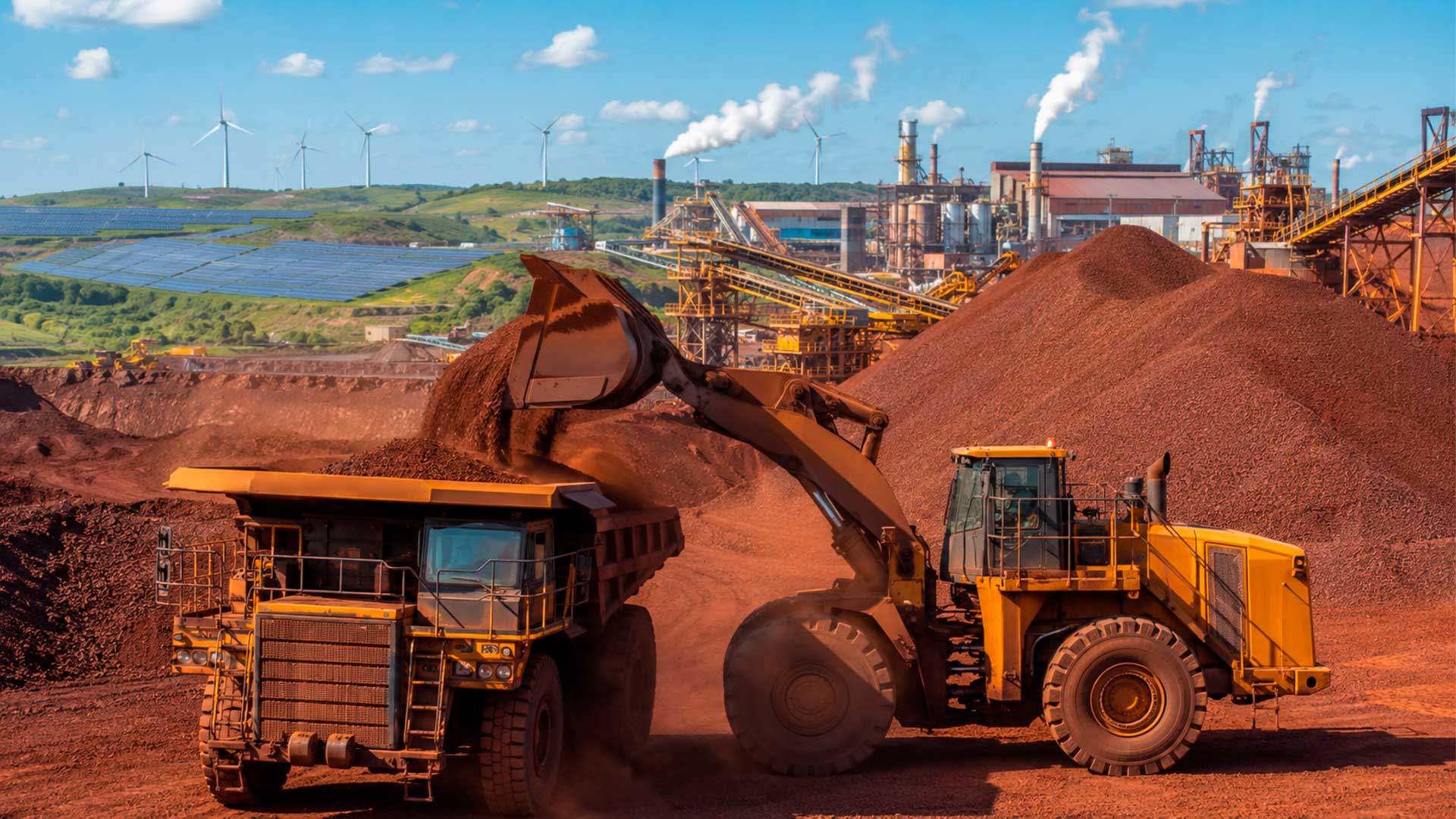
The results, published in renowned scientific journals, indicate that this chemical complex explains the occurrence of high concentrations of the metal in specific geological areas.
According to Adam Simon, the professor responsible for the study, the discovery solves a question that has puzzled geology for decades.
How Volcanoes Favor the Emergence of Gold
Gold deposits are linked to subduction zones, where an oceanic plate sinks beneath a continental plate.
In these locations, heat and pressure create the perfect conditions for the formation of the trisulfide complex.
This process is especially active in the Pacific Ring of Fire.
The phenomenon promotes the circulation of magmatic fluids rich in minerals, which transport gold to accessible regions.
By combining laboratory experiments and thermodynamic models, scientists showed that large-scale gold deposits form only in these scenarios.
Impacts on Global Mineral Exploration
Mining could be profoundly impacted by this discovery.
Identifying areas that meet the necessary temperature and pressure conditions will allow for optimized investments in mineral exploration.
Companies will be able to direct resources to more promising locations and reduce spending in areas with low potential.
The industry could evolve towards more efficient and sustainable practices, leveraging this knowledge to transform methodologies.
This will increase the chances of success in future projects.
The Importance of International Scientific Collaboration
The study highlighted the relevance of international collaboration, as it demonstrated how science only advances when there is unity among different nations. Furthermore, the presence of specialists from various countries ensured a broad perspective and complementary methodologies.
As a result, this joint effort produced a robust and reliable model, further strengthening the credibility of the scientific process. Thus, international cooperation shows that the exchange of knowledge is essential to understanding complex phenomena and proposing effective solutions.
Similarly, the progress achieved shows how global unity can generate direct impacts on sustainable development, as it connects resources, experiences, and long-term strategies.
Academic and Commercial Perspectives
With the identification of the trisulfide complex, science opens new horizons and, therefore, enables significant advances for both academia and mining.
Moreover, the advancement represents not only a geological milestone but also a practical and transformative tool for the industry, as it expands its productive potential.
By turning theories into concrete applications, scientists, therefore, pave the way for more precise and sustainable mining, also benefiting environmental balance.
Consequently, the practice also becomes economically viable, as it combines productive efficiency, lower costs, and consistent results, thus strengthening competitiveness in the sector.
Finally, this revelation marks a historic step and, thus, redefines the way humanity understands and utilizes the mineral resources available on the planet.