Portuguese
  Spanish


Samples Extracted At 2.8 Km Depth In Antarctica May Clarify Glacial Cycles And Historical Greenhouse Gas Levels Between 800 Thousand And 1.5 Million Years Ago.
Melting Ancient Ice May Change Understanding Of Climate
Blocks Of Ice 1.5 Million Years Old, The Oldest Ever Studied, Have Arrived In The UK For Analysis At The British Antarctic Survey In Cambridge. The Samples, Collected At A Depth Of 2.8 Km In East Antarctica, Will Be Slowly Melted Over Seven Weeks, Revealing Particles And Substances That Could Transform Scientific Knowledge About Climate Change.
The Samples Were Extracted During An International Expedition Near The Italian-French Base Concordia, In An Operation That Cost Millions And Lasted Four Polar Summer Seasons. The Material Was Transported In One-Meter Blocks By Refrigerated Ship And Truck To Cambridge, Maintaining Temperatures Of -23 °C.
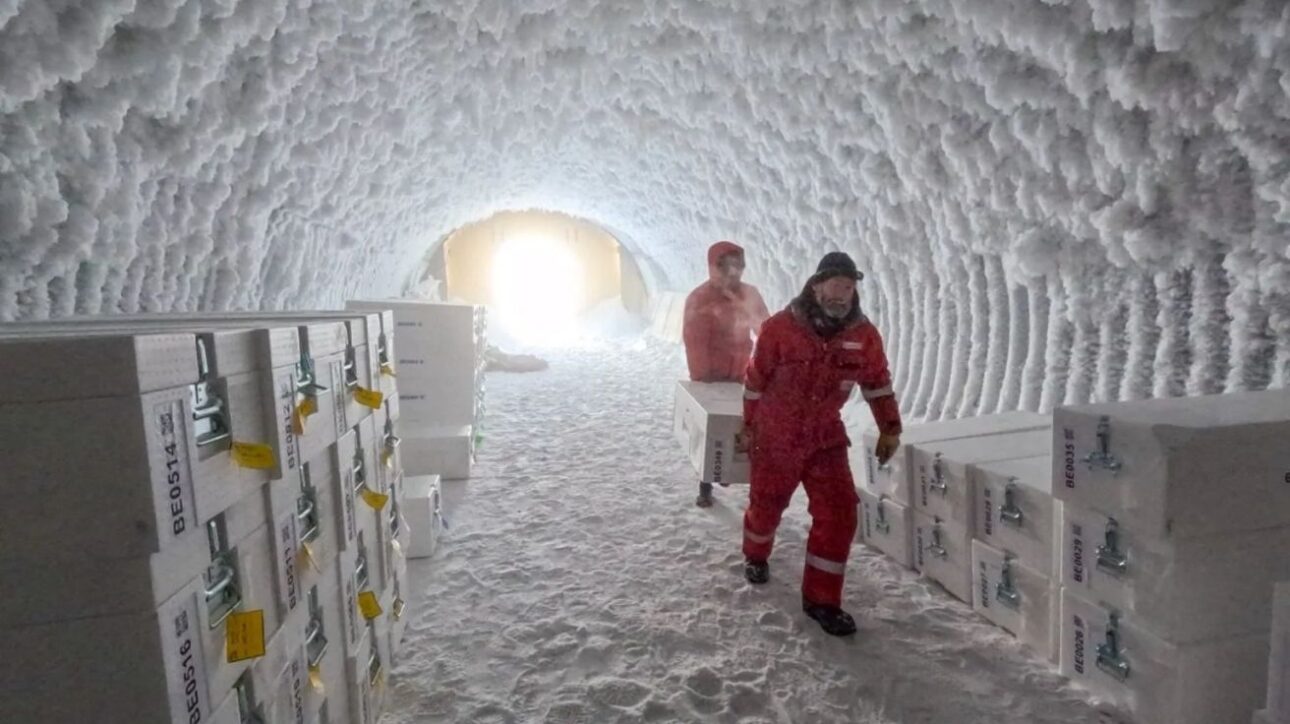
According To Researcher Liz Thomas, Responsible For The Analysis, This Record Covers A Little-Known Period Of The Planet’s Climate History, Crucial For Understanding Natural Variations In Temperature, Wind, And Carbon Dioxide Levels.
-
Extreme Heat of 41.3°C Warps Roads in Germany, Causes Autobahn Asphalt to Crack, Injures People, and Forces Snowplows to Cool Down Highways

-
AI Security System in Brazil Aims to Cut False Alarms by Differentiating Pets from Intruders, Enhancing 24/7 Monitoring for Homes and Businesses

-
Archaeologists Discover 1,500-Year-Old Byzantine Mosaic with Greek Biblical Inscription in Israel, Uncover Ruins of 10 Buildings Near Kiryat Gat
-
Ohio Carpenter Finds 308-Gram Meteorite the Size of a Baseball After Dreaming of Its Location





Goal: Reconstruct The Climate Past And Understand The Future
During The Melting Process, Scientists Will Release And Analyze Dust, Volcanic Ash, And Marine Microalgae (Diatoms) Preserved In The Ice. These Elements Can Indicate Patterns Of Winds, Temperatures, And Sea Level Variations Over Intervals Ranging From 800 Thousand To 1.5 Million Years Ago.
With The Help Of Advanced Equipment, Such As The Inductively Coupled Plasma Mass Spectrometer (ICPMS), The Team Will Identify Over 20 Chemical Elements And Trace Metals, Including Rare Earths, Sea Salts, And Volcanic Eruption Residues.
This Data May Help Explain Significant Changes, Such As The Middle Pleistocene Transition (800 Thousand To 1.2 Million Years Ago), When Glacial Cycles, Previously Occurring Every 41 Thousand Years, Began Occurring Every 100 Thousand Years. The Cause Of This Change Remains One Of The Greatest Mysteries Of Climate Science.
Importance For Understanding Current And Future Impacts
Scientists Are Seeking To Understand How Periods With Naturally Elevated Carbon Dioxide Concentrations Compare To Current Levels, Which Now Exceed Any Value Of The Past 800 Thousand Years. This Comparison May Help Project The Planet’s Responses To Accelerated Heating Caused By Human Activities.
The Study May Also Reveal Periods When Sea Levels Were Much Higher And The Antarctic Ice Sheet Was Significantly Smaller. The Analysis Of Dust Particles Will Allow Estimations Of How Ice Retreated And Contributed To Ocean Rising – A Growing Concern This Century.
According To Thomas, Revisiting These Events Helps Identify Critical Points In The Climate System, Offering Clues About Possible Behaviors Of The Planet In The Coming Decades.
International Expedition And Global Scientific Collaboration
The Project Involved Experts From Different Countries, With Blocks Of The Ice Core Also Sent To Institutions In Germany And Switzerland. A Total Of 2.8 Km Of Ice Core Was Extracted, The Equivalent Of More Than Eight Stacked Eiffel Towers.
James Veale, An Engineer Who Participated In The Drilling, Described The Experience As Unique: “Holding A Piece Of This History In My Hands, Even With Extreme Care, Was Incredible.”
The Information Was Released In A Report By BBC News, Based On Data From The British Antarctic Survey And Testimonies From The Researchers Involved In The Expedition.