






 Portuguese
  Spanish


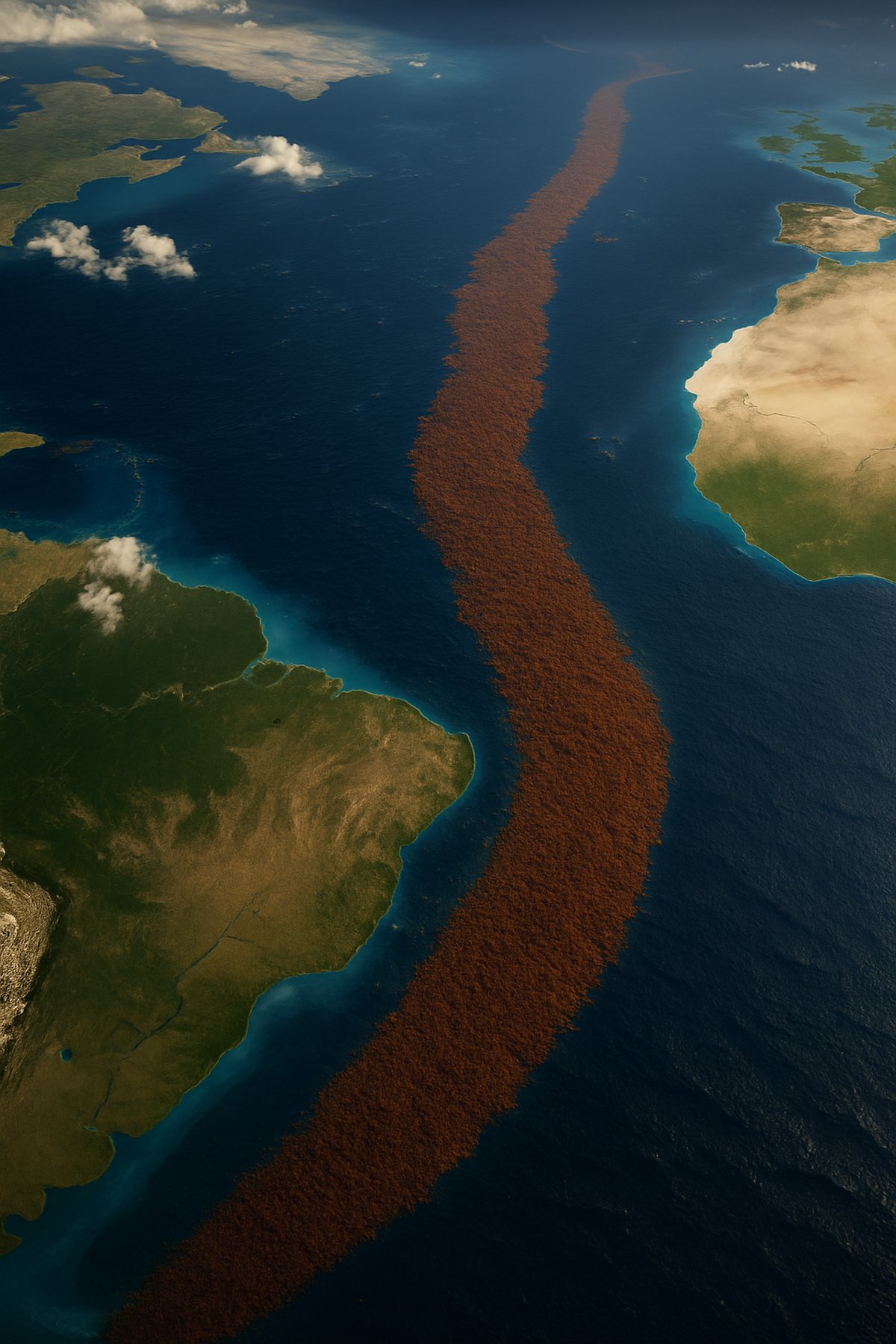


Record Length of Seaweed Worries Scientists and Demands Sustainable Solutions to Avoid Environmental and Social Damages
A significant environmental discovery with global impact has been recorded in the Atlantic Ocean since 2011. This is the Great Atlantic Sargassum Belt (GASB), a formation of brown seaweed that, in 2025, reached the impressive mark of 8,850 kilometers in length, according to surveys from The University of Florida and NASA.
The long stretch, which extends from the coast of West Africa to the Gulf of Mexico, is so visible from space that it even impresses the satellites of the National Aeronautics and Space Administration.
Scientific Investigations Reveal Accelerated Growth
In May 2024, satellite images recorded 37.5 million tons of sargassum spread across the Atlantic Ocean. This volume represents one of the largest concentrations ever identified, according to experts from the Caribbean Sea Lab.
-
Students from Brazil’s Paraíba develop low-cost reusable rocket with 3D-printed engine and Arduino-controlled parachute to disperse seeds for reforestation in remote drylands.

-
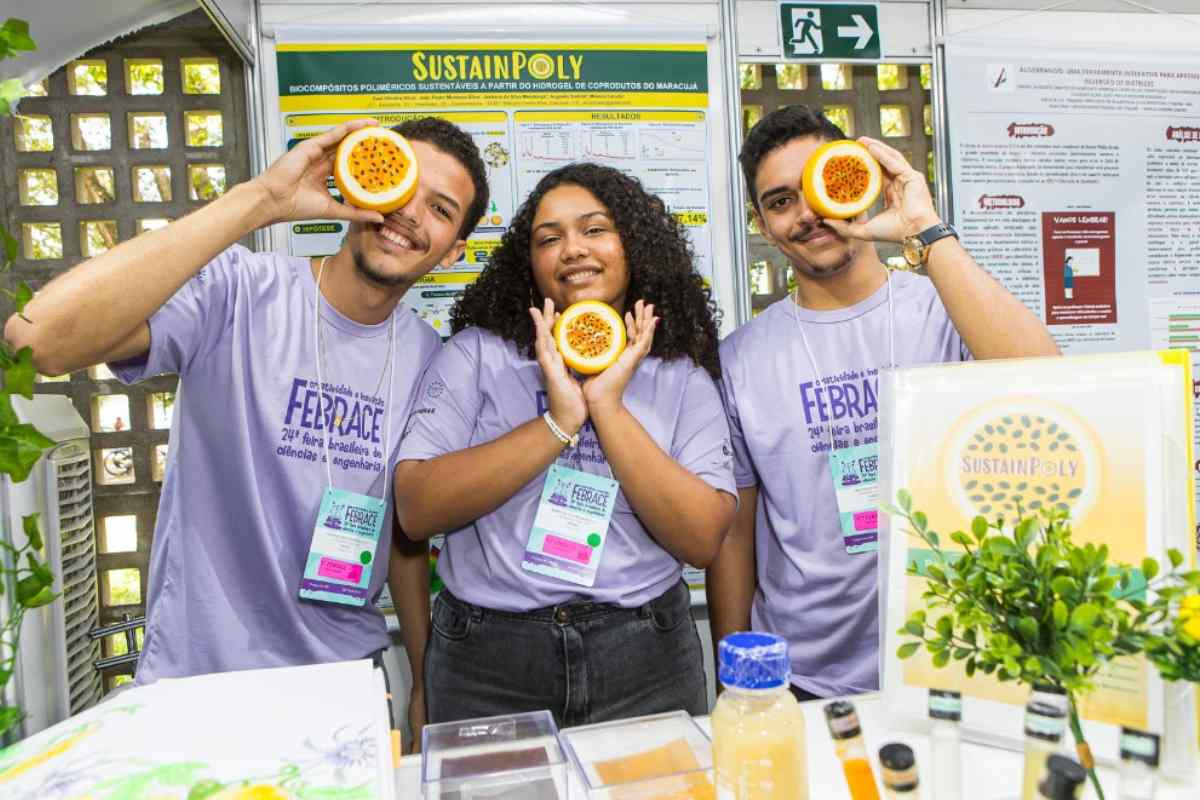
Brazilian Students Transform Passion Fruit Peels into Moisture-Retaining Material, Compete at World’s Largest Science Fair

-
Brazilian Student Invents Low-Cost Rainwater Harvesting System Using Recycled Materials, Showcased at World’s Largest Science Fair
-
Italy Considers Next-Gen Nuclear Reactors for Warships, Aiming to Boost Naval Autonomy and Join Elite Maritime Powers




Researchers point out that, although sargassum has always been part of the Atlantic ecosystem, its first mass appearance occurred in 2011, and since then the phenomenon has been growing almost every year. The constant increase worries international scientists, who see the GASB as a clear sign of the impacts of climate change and marine pollution.
Social, Economic, and Environmental Impacts of the Belt
Sargassum plays relevant ecological roles, such as providing habitat for marine species and capturing carbon. However, in excess, it causes serious imbalances. When it accumulates on beaches, the seaweed releases sulfide of hydrogen, a toxic gas that threatens both human health and coastal biodiversity.
This scenario generates significant losses to tourism and fishing, as well as creating social challenges for communities that directly depend on coastal activities. Scientists warn that the problem is global and requires joint responses.
Alternatives Explored to Mitigate Damage
To turn the threat into opportunity, researchers are seeking innovative solutions. In Brazil, in 2023, scientists from the Federal University of Bahia (UFBA) developed sargassum-based bricks, aimed at producing lightweight ceramics.
These materials reduce the extraction of natural resources and increase energy efficiency in construction. Additionally, sargassum has already been tested in lighter concretes, thermal slabs, and even in gardening, according to reports presented at the Brazilian Congress on Sustainability in 2024.
Consequences of Uncontrolled Expansion
- Continuous growth since 2011, with a record in 2025.
- Direct losses to tourism, affecting Caribbean and Brazilian destinations.
- Risks to public health, with the release of toxic gases on beaches.
- Fishing impacts, reducing the economic activity of coastal populations.
- International pressure for solutions, involving governments and universities.
The Future of the Atlantic Amid the Sargassum Crisis
Researchers state that, without urgent intervention, the proliferation is expected to continue, driven by factors such as rising water temperatures, excess nutrients, and changes in ocean currents.
Thus, the challenge is to reconcile scientific research, industrial innovation, and environmental preservation. Meanwhile, there is increasing pressure for governments, businesses, and civil society to create joint strategies to transform biomass into a useful resource, without ignoring the environmental and social risks it presents.
In the meantime, coastal communities are living daily with the impacts of the brown invasion, which is already considered the largest in the world in continuous stretch of floating seaweeds.
And you, reader: do you think the priority should be to accelerate the economic utilization of sargassum or to invest in slower, yet sustainable solutions to protect the ocean and coastal populations?


