Portuguese
  Spanish


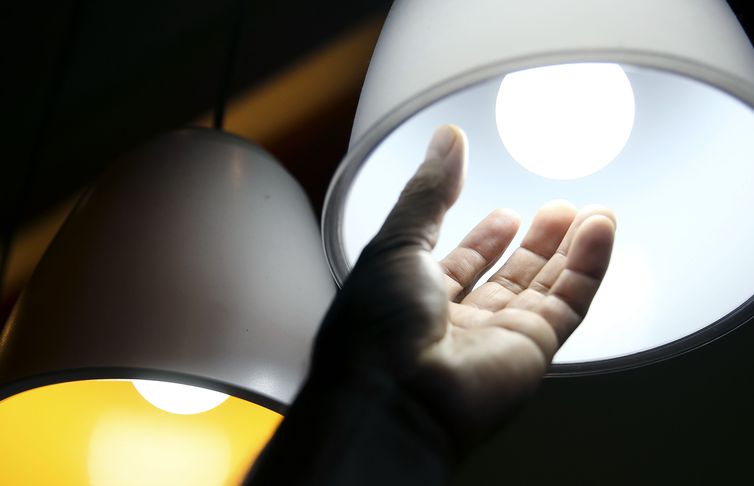

High Electricity Bills Force Brazilians to Seek Other Alternatives; Solar Energy Is Becoming an Increasingly Attractive Option
According to the Brazilian Institute of Geography and Statistics (IBGE), only between June and August, electricity bills rose three times faster than inflation. With the constant increase in electricity bills in recent months, solar energy is increasingly gaining market.
According to the National Institute of Clean and Renewable Energy, the search for solar energy has been increasing in recent months. In addition to drastically reducing monthly electricity expenses, energy generation from solar panels also helps the environment.
Solar Glasses Are a New Alternative
In a not so distant future, most bus stops, building facades, and houses are expected to have glasses with the capacity to generate solar energy. Fábio Persio, sales supervisor at PKO Brasil, told CNN Brasil about the advantages of solar glass for energy generation: “You wouldn’t be able to have a solar panel on a building facade, like covering a roof. The glass allows you to explore the largest area of the building. Besides energy efficiency, it generates even more than the building could consume,” he said.
-
Brazil to Hold First Auction for Batteries to Store Solar and Wind Energy from the Northeast

-
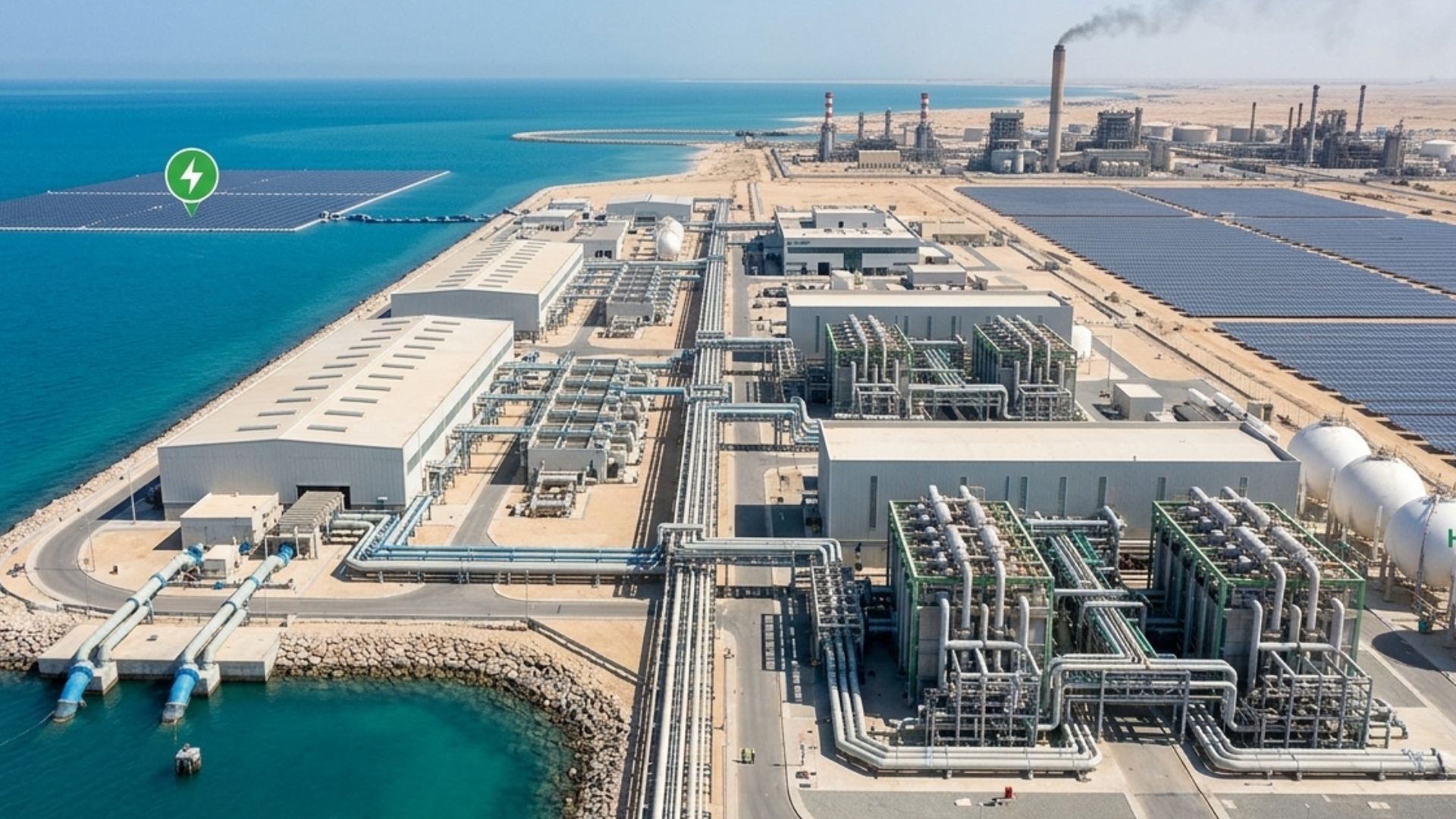
Brazilian scientists are simultaneously advancing two research projects on clean hydrogen and driving solutions that could transform the energy matrix, enhance industrial competitiveness, and accelerate large-scale emission reduction targets.

-
Advancement in renewable energy: A R$ 150 million project launched by Petrobras and Finep aims to create state-of-the-art electrolyzers for green hydrogen, strengthening national research and preparing Brazil to compete in a billion-dollar energy market.
-
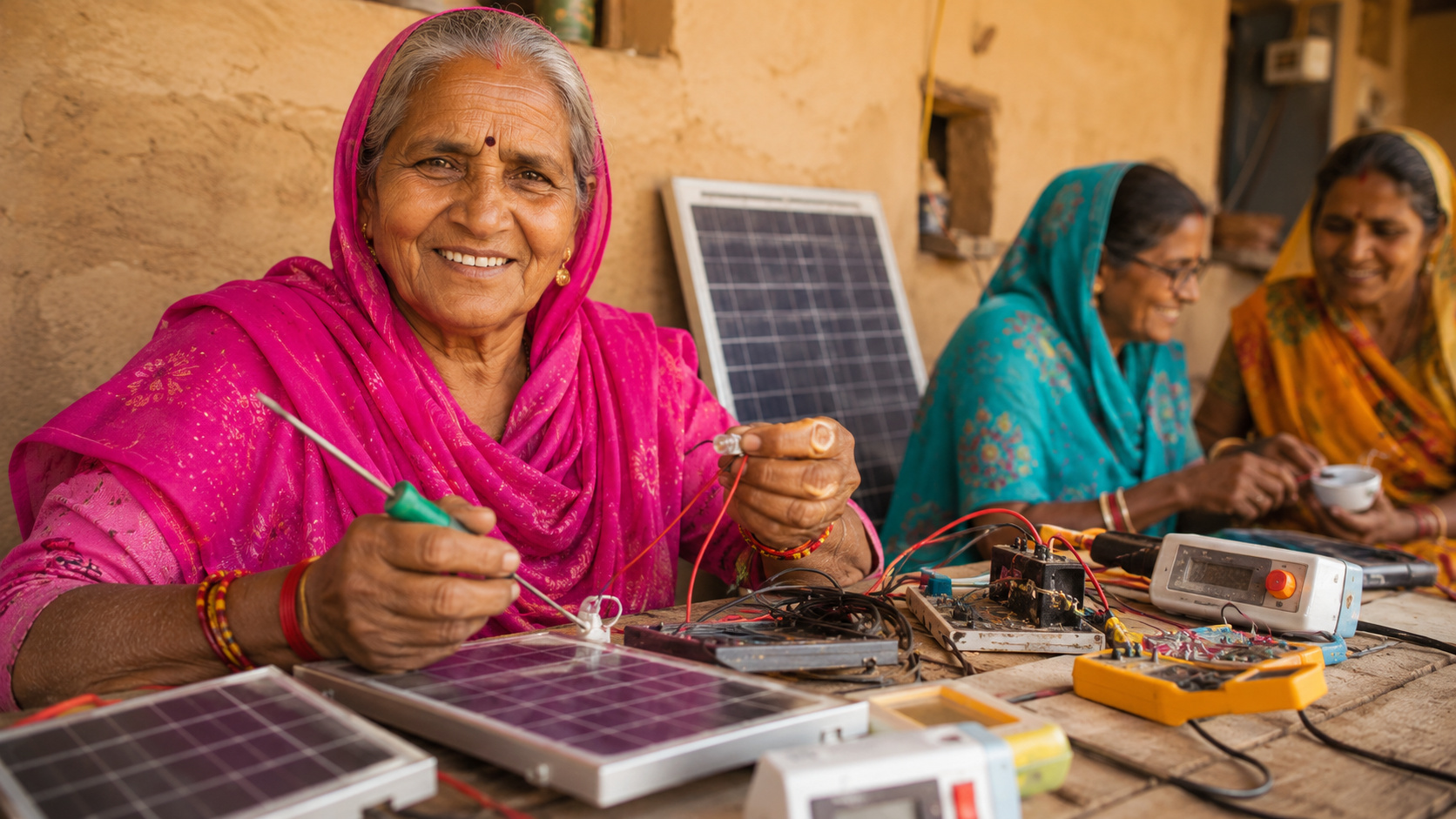
Illiterate or semi-literate grandmothers were trained to repair solar systems, open rural workshops, and light up homes that still depended on kerosene.



Glasses capable of generating energy can be made in various colors and sizes, and can be used in different locations, such as doors, windows, coverings, etc. Persio claims that despite being three times more expensive than regular glass, the use of this technology can result in an 80% savings on electricity bills per year.
“Photovoltaic glass not only has the capacity to generate energy, but it also prevents too much heat from entering the environment, because part of the heat will remain in the panel to generate that energy. It will also allow natural light entry. So the owner won’t spend on artificial lighting,” he explained.
Another alternative is Eternit’s solar tiles. The company already sells the product; however, sales occur only by order. The solar tiles are made of concrete and contain photovoltaic cells.
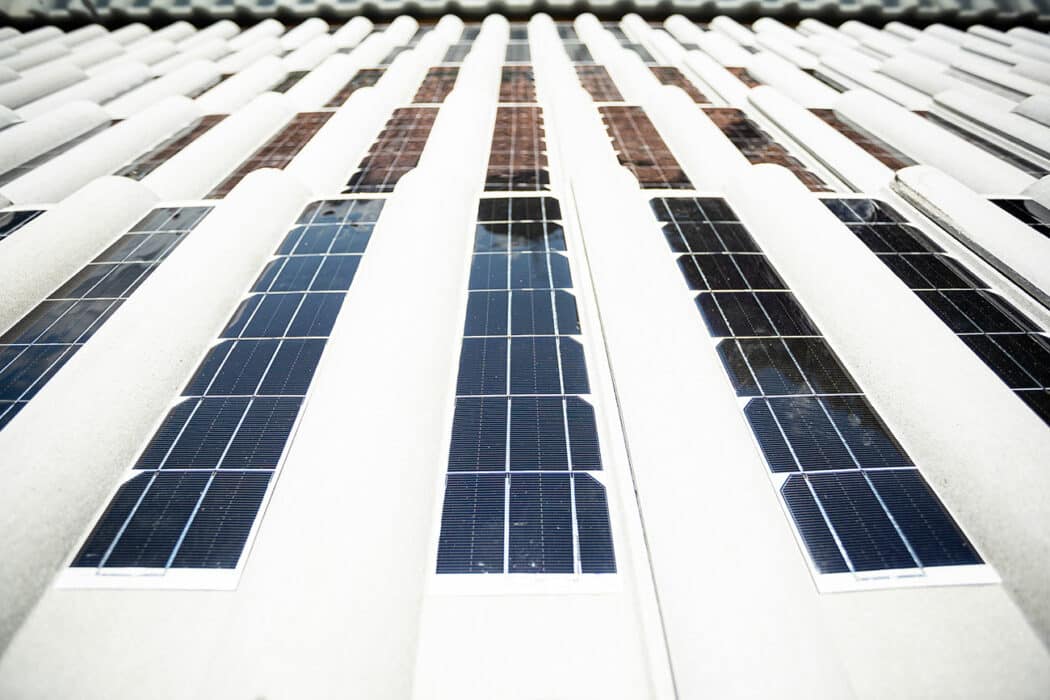
According to Luiz Lopes, development manager at Eternit, solar tiles can be even cheaper than conventional solar panels.