






 Portuguese
  Spanish


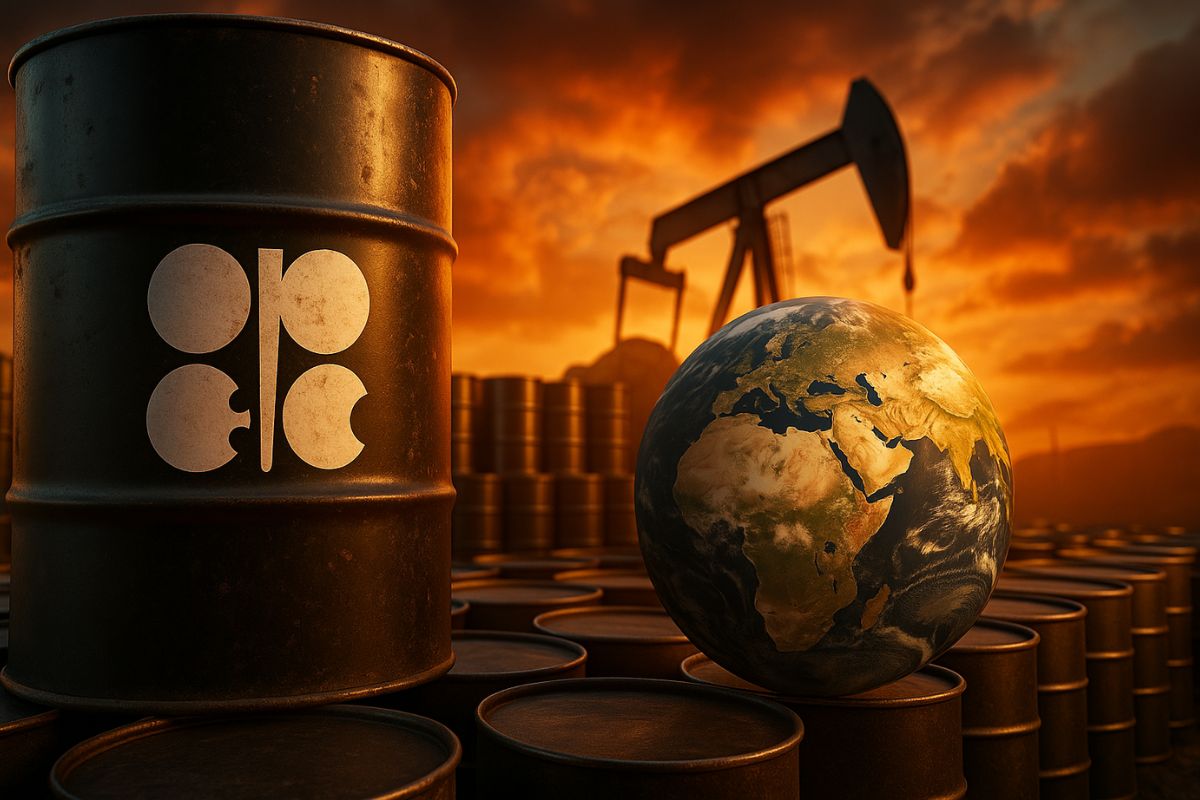


Measure Of Saudi Arabia, Russia And Allies Aims To Recover Market Share And Could Pressure Global Prices
The Organization of the Petroleum Exporting Countries and allies (Opec+) announced an increase of 547,000 barrels per day in oil production starting September 2025. The measure was confirmed this Sunday (3) by an official statement, reflecting the group’s strategy to regain space in the global energy market.
The increase involves eight countries, including Saudi Arabia, Russia, United Arab Emirates, Kazakhstan, and Iraq, and represents the dismantling of part of the supply cuts that had been supporting prices. With Brent crude hovering around US$ 70, the decision aims to generate a higher volume of exports rather than focusing on product appreciation.
Who Decided The Production Increase?
The decision was made by the energy ministers of the eight countries that make up the Opec+ core, in a meeting held this weekend. The group had already initiated, months ago, a gradual reversal of previous cuts that reached 2.2 million barrels per day.
-
Brazilian Steel Giant Partners with USP to Develop 40% Stronger Rebar for World’s Tallest Residential Building in Brazil’s Senna Tower

-
Oil Prices Drop to $72 as 20 Million Barrels Pass Through Strait of Hormuz in 24 Hours, Easing Supply Fears but Regional Tensions Keep Market on Edge

-
Brazil’s Ministry of Justice Investigates CazéTV for Betting Ads During World Cup Broadcasts

-
Brazilian Retail Giant Americanas Faces $10 Billion Asset Freeze Amid Investigation into Hidden Debts


This movement marks a new phase of Opec+ policy, which now aims to gain market share against independent producers, even if it means dealing with lower prices in the short term.
Why Is Opec+ Increasing Production Now?
The main objective is to recover market share in the international market. Since Russia’s invasion of Ukraine, oil prices have experienced significant fluctuations. After reaching a peak of US$ 120 in 2022, Brent fell to about US$ 70, reducing export profitability for many countries.
With global demand stabilizing and the market less volatile, Opec+ decided to prioritize volume. According to analyst Giovanni Staunovo from UBS, the increase was already priced in and should not cause immediate shocks when the markets reopen this Monday.
What Is The Impact Of This Decision On Oil Prices?
Experts predict that, in the short term, the effects on prices will be moderate, as the market had been anticipating this movement since June. However, analyst Warren Patterson from ING warns that an oil surplus could emerge in the fourth quarter of 2025, which would put downward pressure on prices.
In addition, in recent months, the actual production of countries has remained below the established quotas, indicating that not all of the announced volume is effectively reaching the market. Still, the risk of excess supply raises alarms among investors and importers.
Does The Decision Affect Brazil?
Although Brazil is not formally part of Opec+, the measure could influence Brent crude oil prices, which serve as a reference for export contracts of Petrobras. If the barrel drops, fuels could experience downward pressure in the domestic market, depending on the state-owned company’s pricing policy and the dollar exchange rate.
Sectors such as transportation, aviation, and agriculture closely monitor these decisions, as their operational costs are directly linked to oil price fluctuations in the international market.
Do you think Opec+ made the right choice by prioritizing volume over price? Could this decision benefit or harm Brazil? Share your opinion in the comments — your perspective helps to understand the real impacts of this change.


Pode beneficiar o Brasil com a queda dos preços dos combustíveis baixando os preços finais de produtos e serviços. E como consequência, baixando a inflação.