





 Portuguese
  English
  Spanish
  3 min of reading
  0 comments


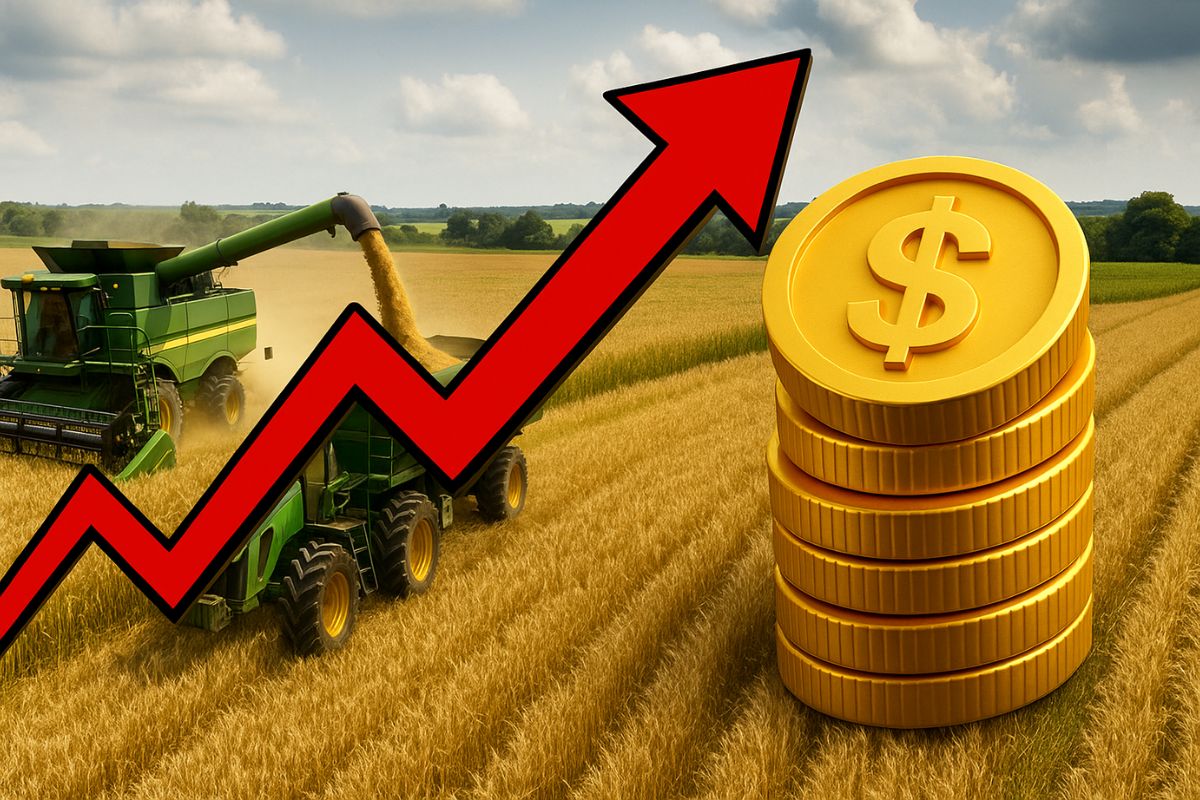
Record Harvest of Grains and Expansion of Agriculture Should Drive Industry, Services and Keep the Economy Growing in 2025
The agribusiness boom continues to be one of the main engines of Brazil’s economic growth in 2025. With projections of a record harvest and a more than 10% increase in the sector in the first quarter, agriculture is expected to boost the Gross Domestic Product (GDP), even though it accounts for a small share of the economy on its own.
According to analysts consulted by Projeções Broadcast and data from IBGE, the agricultural GDP is expected to have increased by about 12.8% between January and March, supporting the estimate of a 1.5% advance for the Brazilian economy during the period. The positive impact, however, is not limited to the field — industry and services also directly benefit from this growth.
Historic Soy and Corn Harvest Drives Recovery
The 2025 grain harvest will be the largest in Brazil’s history, according to the Systematic Survey of Agricultural Production by IBGE. A total of 328.4 million tons is expected, a growth of 12.2% compared to 2024. Soy alone is expected to reach 164.2 million tons, an increase of 13.3%. Corn is expected to total 128.2 million tons, with an increase of 11.8%.
-
China has deployed humanoid robots to work in the harvesting, transportation, and roasting of tea in the mountains of Fujian, using thermal imaging to precisely control the temperature of the leaves, in a demonstration that revealed both the advancements and the limitations of robotics in real production environments.

-
New study reveals unexpected connection between bees, flowers, and crops and suggests a possible solution to one of the biggest dilemmas currently faced by agriculture and global food production.

-
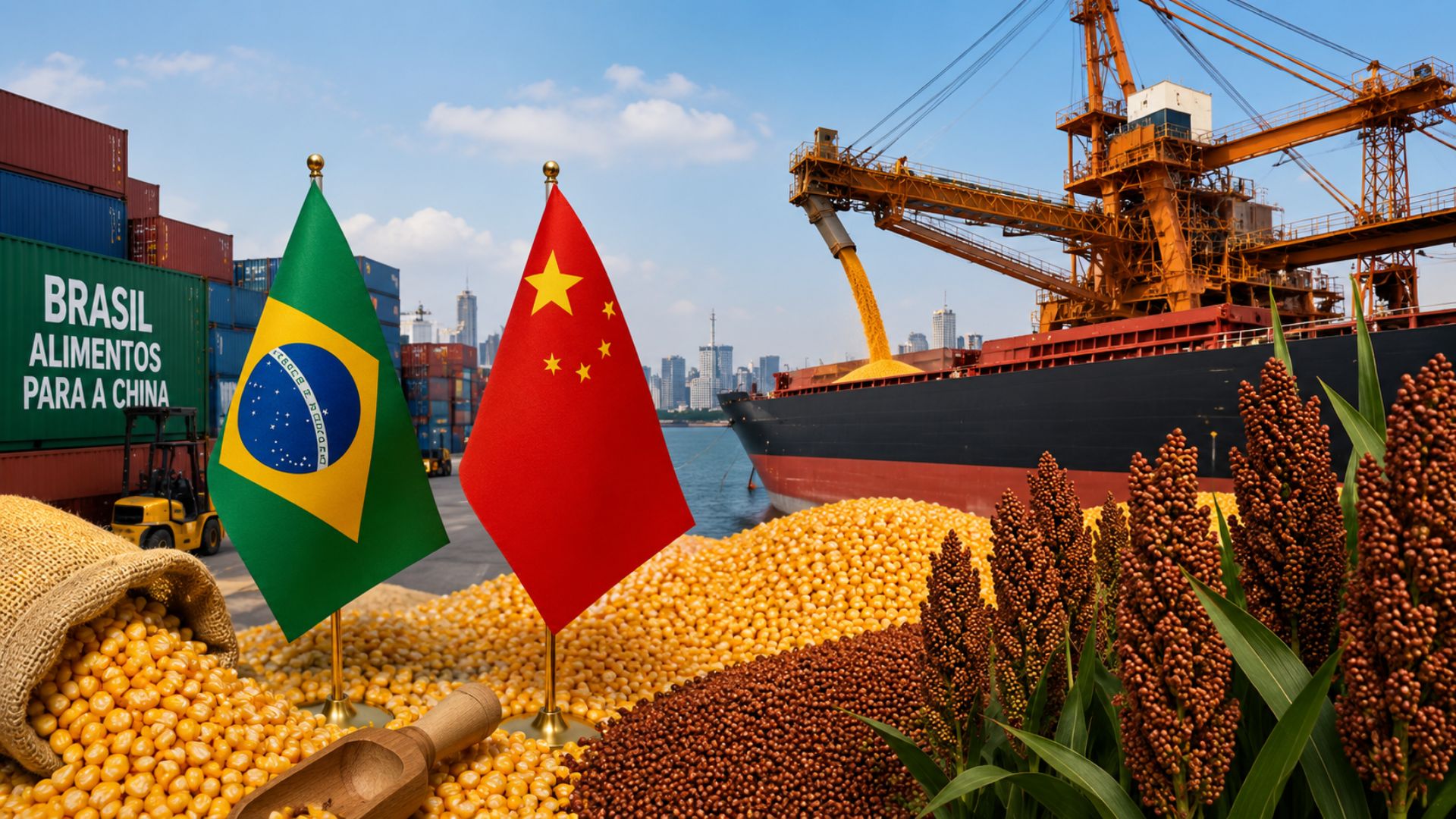
Brazil is already the largest food supplier to China and is now advancing in the trade of corn and sorghum with the Chinese. The ambassador highlights that the two countries have strong agricultural complementarity and ample space to grow together.
-
While wine loses strength worldwide, Brazil fills the glass, breaks a historic record, and expands vineyards in a move that surprises experts.



This record volume is linked to favorable weather conditions and technology in the field, but it also stimulates other economic sectors. The fertilizer, pesticides, agricultural machinery industry, and the entire logistics chain are mobilizing to meet production needs. Transportation, services, and local commerce are also gaining strength.
According to research conducted by Cepea in partnership with CNA, agribusiness represented 23.2% of Brazilian GDP in 2024, totaling R$ 2.72 trillion. This figure encompasses not only agricultural production but the entire chain — before and after the gate — such as slaughterhouses, transport companies, and food industries.
Inner Country Drives Regional Growth
The Midwest States lead the national grain production in 2025, particularly Mato Grosso, Mato Grosso do Sul, Goiás, and the Federal District, which together are expected to account for 50.4% of the harvest of cereals, legumes, and oilseeds. As a result, the region is set to be the only one accelerating GDP this year, according to projections from FGVAgro.
This regional dynamism goes beyond the field. With increased production, the demand for infrastructure, education, health, food, and urban services also grows. The agribusiness boom generates jobs, stimulates construction, and strengthens local commerce, creating a positive cycle of development.
According to economist Felippe Serigati from FGVAgro, “the mountain of soy produced in the country needs to be transported to industry, the domestic market, or the port, which warms up the entire chain — from agribusiness to kindergartens in the countryside.”
Agriculture as the Silent Engine of the Economy
Although it accounts for only 6% to 7% of GDP directly, according to IBGE, agriculture has a high ripple effect. Economist Natália Cotarelli from Itaú emphasizes that, just like in 2023, the strong performance of the field spreads to industry and services. The bank expects this scenario to continue throughout 2025, supporting the economy even amid challenges in the external sector.
In addition to agriculture, livestock farming also surprised positively. With stable prices and increasing demand, the sector contributes to an optimistic estimate for agricultural GDP this year. The combination of high productivity, strong exports, and connections with other activities ensures that agribusiness plays a prominent role in national growth.
Will the agribusiness boom continue to drive the Brazilian economy? Share your thoughts in the comments.






-

1 person reacted to this.