Portuguese
  Spanish



Brazil Shines in the Geopolitics of Critical Minerals with Lithium and Niobium, but Still Faces Challenges to Add Value and Ensure Sovereignty and Sustainability
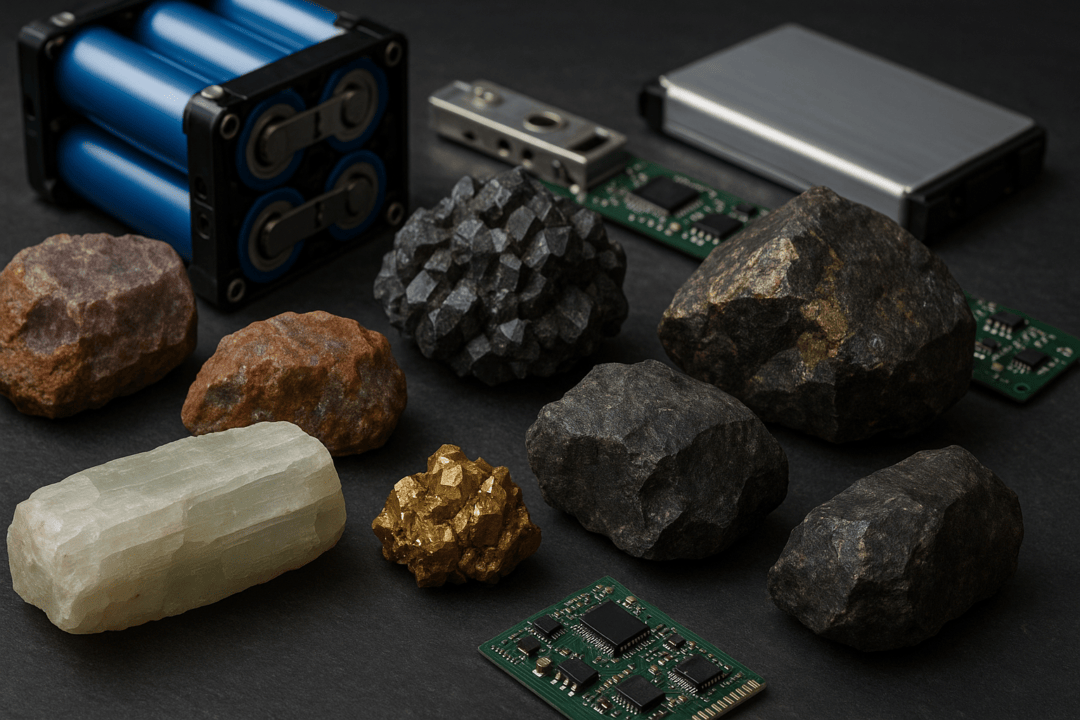
The race for clean energy has elevated the importance of critical minerals worldwide. Lithium, niobium, copper, graphite, nickel, and rare earths are now strategic resources for the 21st century. They are essential for batteries, wind turbines, electric vehicles, solar panels, and energy storage systems. In this new global scenario, Brazil emerges as a key player.
The country combines an abundance of reserves with relative political stability and a history of being a reliable exporter. This combination makes Brazil one of the main points of interest in the new geopolitics of critical minerals.
One of the highlights is niobium. Brazil possesses one of the largest global reserves of this mineral, which is used in high-performance metal alloys.
-
European Parliament Approves Digital Euro, Aiming to Challenge Visa and Mastercard’s Dominance and Transform Payments Across Europe by 2029

-
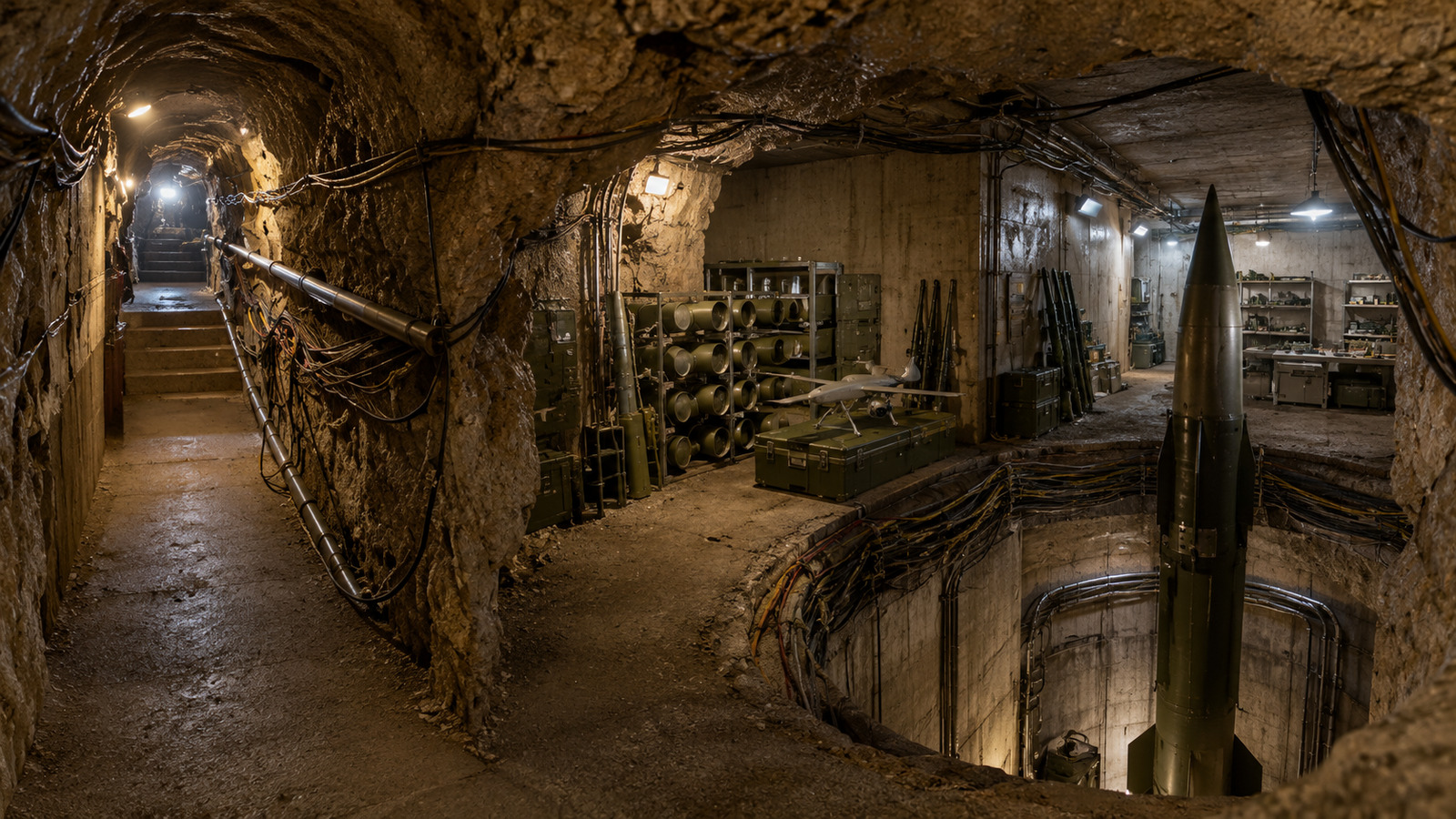
Israel finds Hezbollah militarized tunnel over 200 meters long under village, with 4 missile launch shafts, 12 chambers, anti-tank missiles, drones, and weapons depots at a depth of 25 meters.

-
Ukraine launches largest drone attack on Moscow since 2022, Russia claims to have intercepted nearly 200 aircraft near the capital, Kapotnya refinery targeted again, and offensive reignites alert about war reaching the Russian energy heart just a few kilometers from the Kremlin.

-
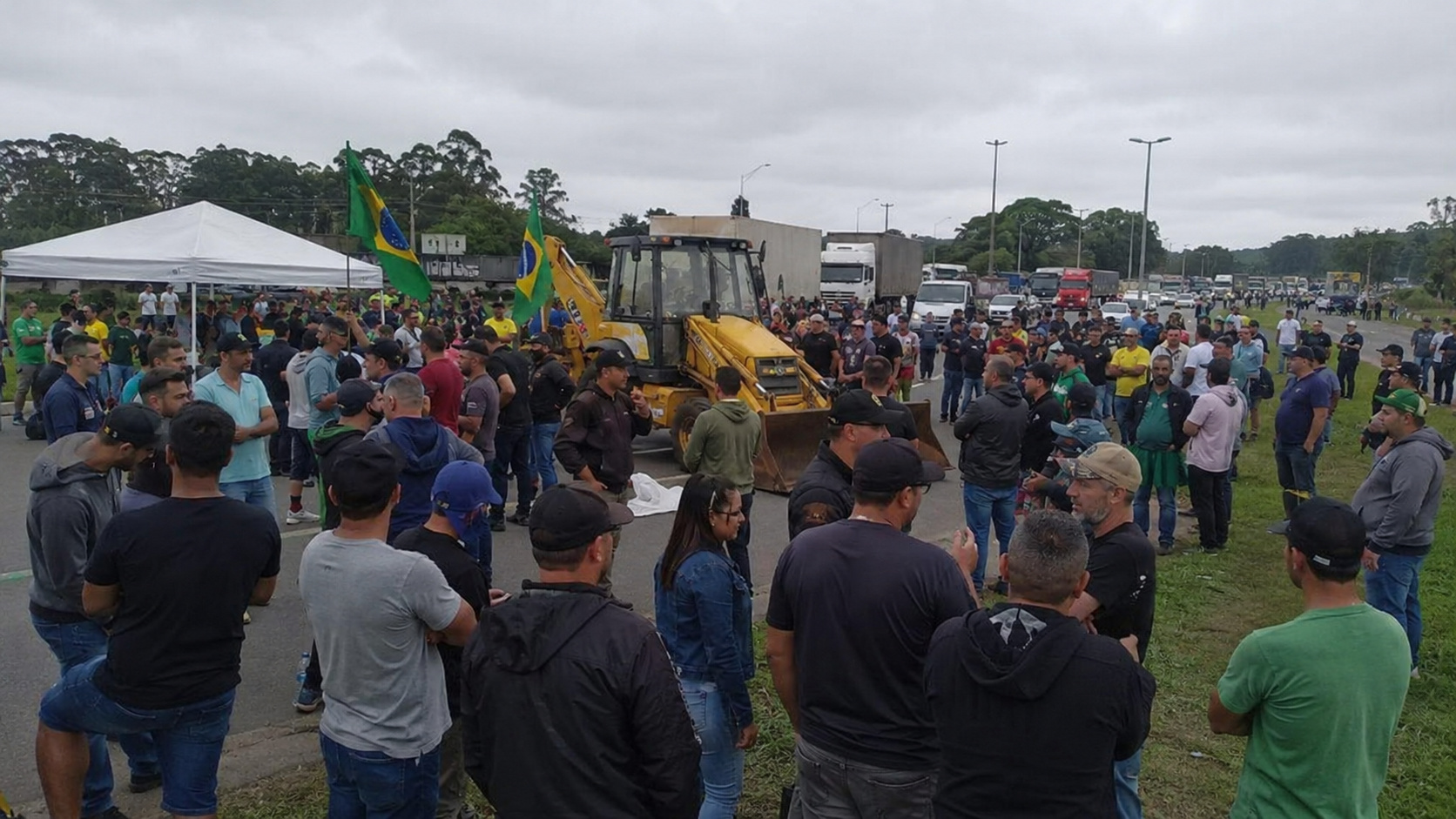
Truck drivers, freight, and fines from 2022 take center stage in politics: Chamber approves MP with amnesty, mandatory tracking by CIOT, million-dollar penalties, and new minimum wage for those who spend more than 24 hours on the road.


Valley of Jequitinhonha and the “Lithium Route”
Another highlight is lithium. Brazilian production has grown significantly, especially in the Valley of Jequitinhonha in Minas Gerais. The so-called “lithium route” has become a target for both national and foreign companies. Investors from China, the United States, the European Union, and Asian countries are competing for exploration areas in the region.
With this demand, Brazil gains strength to negotiate strategic agreements. The competition between China and the U.S. for control of energy supply chains increases the country’s relevance. Brazil can offer alternative sources of critical raw materials with less geopolitical risk.
Furthermore, global interest in more sustainable supply chains favors nations that adopt stricter environmental and social standards.
Challenges in Adding Value and Developing Technology
But not everything is an advantage. Despite its potential, the sector is still underutilized in Brazil. Most critical minerals exported leave the country without processing. This reduces added value and hinders the creation of a high-tech national industry.
Experts advocate for a more robust industrial policy. It would be necessary to encourage refining, component production, and the establishment of research centers focused on mineral technologies.
Geopolitics, Climate, and Resource Sovereignty
Brazil’s role goes beyond the economy. Critical minerals also carry weight in international environmental negotiations. Countries that dominate these resources gain bargaining power in agreements regarding climate financing and technology transfer.
Aligning its mineral policy with decarbonization and social inclusion goals can strengthen Brazil’s role in forums like the G20 and the COP.
Internally, the debate about the sovereignty of these resources is growing. The presence of foreign companies in sensitive areas raises concerns. There is tension in places with traditional communities and indigenous peoples.
Therefore, there are calls for more governance and transparency. Brazil needs to balance attracting investments with environmental protection and respect for the rights of local populations.
In the face of the advancement of clean energy and digitalization, Brazil has a historic opportunity. How it manages its critical minerals may define its economic and environmental future. It could also determine its place in the new global geopolitical landscape.
With information from Economia SP.