






 Portuguese
  Spanish


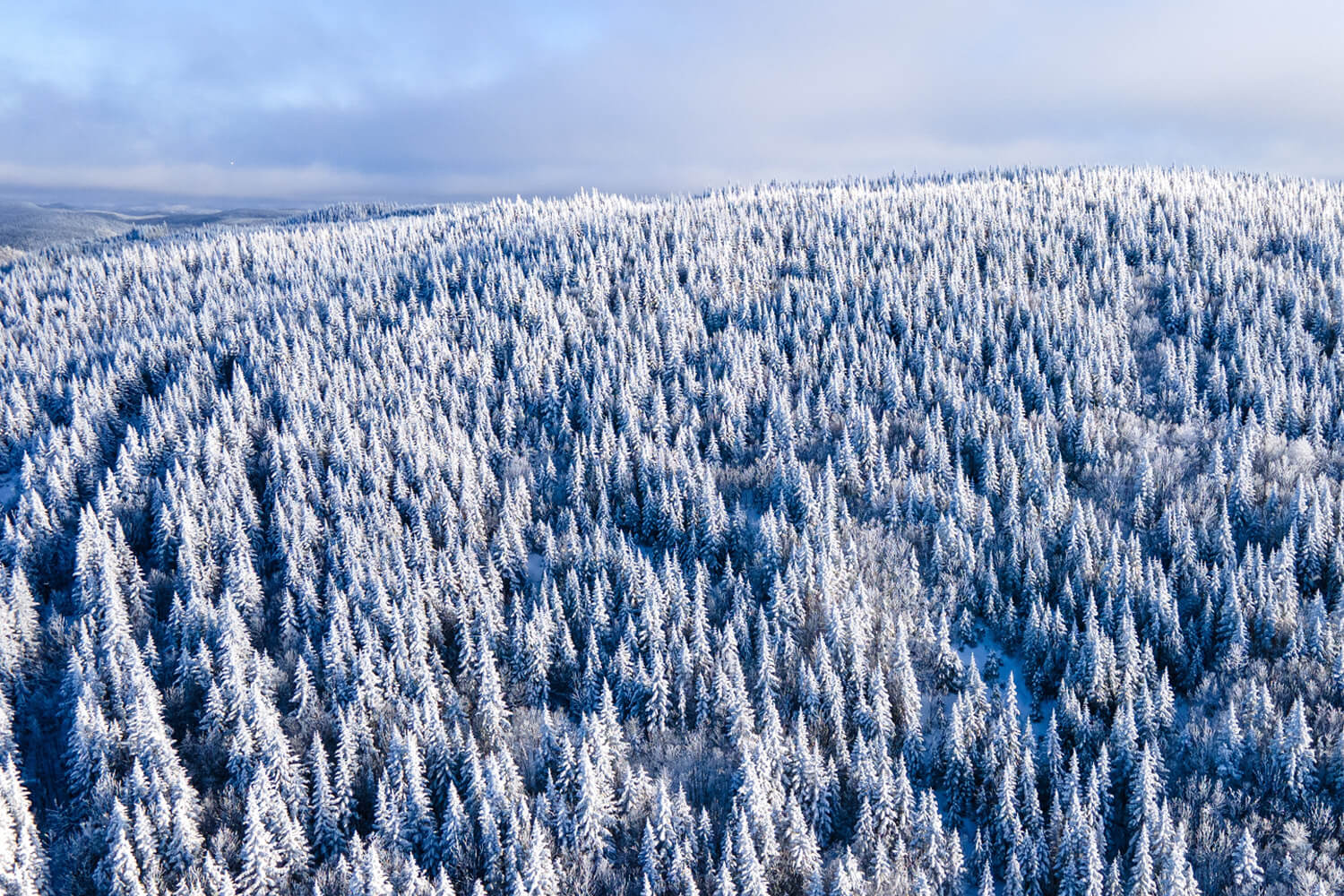


With 8.1 Million Km², The Russian Taiga Contains 20% of The World’s Forests and Acts as One of The Largest Carbon Sinks, Crucial for Global Climate Balance.
Few natural formations exert such silent influence over the functioning of the planet as the boreal taiga that stretches across Russia. Viewed from space, this immense green band appears to be just an ocean of trees. In practice, it functions as a critical gear in the global climate system, connecting cycles of carbon, water, soil, and biodiversity on a scale that no other country can replicate.
Russia is home to approximately 815 million hectares of forests, equivalent to 8.15 million km². This represents about one fifth of all existing forest cover on Earth, making the country the largest forest holder in the world, ahead of Canada, Brazil, and the United States.
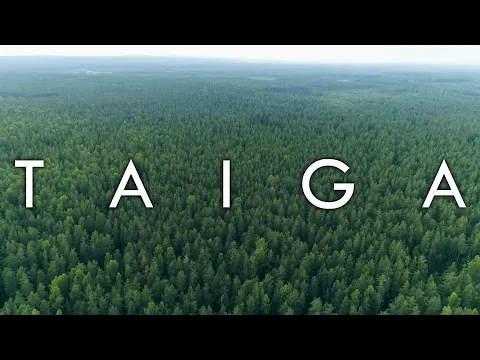

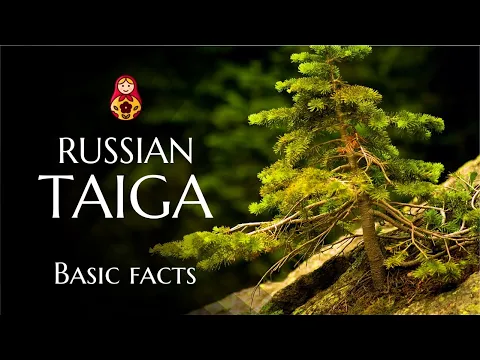
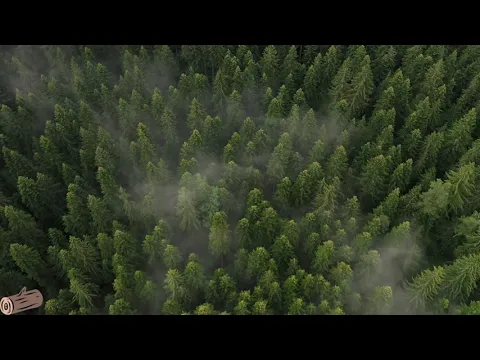
The majority of this area is composed of boreal forests, dominated by conifers resistant to extreme cold, such as pines, spruces, and larches. These trees have grown adapted to long winters, nutrient-poor soils, and slow growth cycles, characteristics that directly influence the region’s carbon dynamics.
-
Germany Opens World’s Largest Smart Power Semiconductor Factory with €5 Billion Investment, Creating 1,000 Jobs and Doubling Capacity for AI and Energy Needs

-
Kazakhstan’s Torysh Valley Holds Thousands of Giant Stone Spheres, Intriguing Scientists with Ancient Oceanic “Cannonballs”

-
Egypt Discovers 18 Ancient Tombs with Gold Tongues, Unveiling Unusual Funeral Rituals and Amulets Believed to Give Voice to the Dead

-
Nigeria Dumps 120 Million Tons of Sand into Atlantic to Build Massive City with 8.4 km Sea Wall for Protection Against Ocean Waves and Erosion

One of The Largest Carbon Sinks on The Planet
From a climatic perspective, the role of the Russian taiga goes far beyond the landscape. Scientific studies indicate that these forests absorb between hundreds of millions and over 1 billion tons of CO₂ per year, depending on climatic conditions, the intensity of forest fires, and permafrost thawing.
In years of lesser disturbance, absorption can reach levels capable of offsetting a significant portion of global human emissions, placing the taiga among the world’s largest natural carbon sinks. It’s not just about the trees: much of this carbon is stored in the soil.
Soils, Peatlands, and Permafrost: The Invisible Carbon
One of the lesser-known aspects of the Russian taiga is that the soil stores as much or more carbon than the vegetation above it.
Deep layers of peat, frozen organic matter, and permafrost have been accumulating carbon for thousands of years, functioning as a gigantic natural vault.
This underground stockpile is so significant that any significant alteration, such as the accelerated warming of the Arctic, can transform the sink region into a source of emissions, releasing CO₂ and methane in large quantities. That is why the Russian taiga occupies a central place in global climate models.
Direct Influence on The Planet’s Thermal Balance
Besides carbon, the boreal taiga affects the climate through albedo, the ability to reflect or absorb solar radiation. Dark forests absorb more heat than areas covered by snow, influencing regional temperature patterns and atmospheric circulation.
At the same time, these forests regulate the water cycle, controlling evapotranspiration, cloud formation, and precipitation regimes on continental scales. Significant changes in the taiga can affect climatic patterns far beyond Russian territory, including the Northern Hemisphere as a whole.
An Underestimated Reservoir of Biodiversity
Despite appearing homogeneous, the Russian taiga is home to thousands of species of plants, insects, birds, and large mammals, such as moose, brown bears, lynxes, and wolves. Many of these species depend directly on the stability of the boreal ecosystem to survive.
Fragmentation, increasingly frequent fires, and the advance of poorly planned economic activities can disrupt this balance, with impacts that extend throughout the ecological network.
In recent decades, the increase in average temperature in northern Eurasia has intensified the frequency and extent of forest fires. These events quickly release the carbon accumulated over decades or centuries, temporarily reducing the forest’s absorption capacity.
Scientists warn that if fires become chronic, the taiga may lose part of its function as a climate regulator, accelerating global warming instead of containing it.
Why The Russian Taiga Is Crucial for The Future of The Climate
When looking at the planet’s climate map, it is clear that there is no global stability without the Russian boreal taiga.
Its continental scale, the amount of carbon stored, and its interaction with frozen soils make it one of the invisible pillars of climate balance.
Preserving this system is not just a matter of local or national environmental concern, but a global challenge. The fate of the Russian taiga is directly linked to humanity’s ability to contain global warming in the coming decades and to prevent one of the climate’s greatest natural allies from becoming an accelerator of the crisis.





Be mindful that there is no dedicated governing government department or body of land protection in Russia that is not in the control of Putin .
Most of the globe do not believe that this Forrest is not contaminated from mining and nuclear waste and other uses . Most info about the east is disinformation ,,,,,
Awesome