






 Portuguese
  Spanish


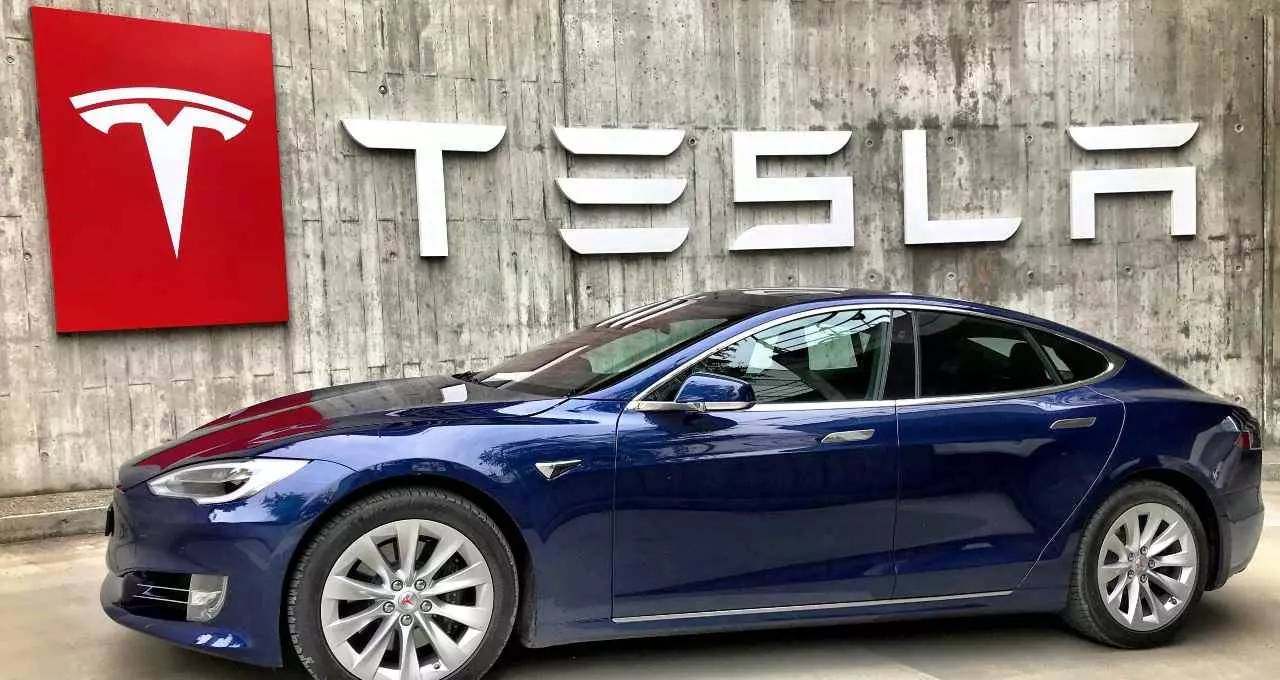
The Construction Project For Tesla’s New Factory In Mexico Is Set To Be Completed In Early 2024. The Company’s Expectation Is To Make This The Largest Electric Vehicle Production Plant In The World, Expanding Its Presence In The Decarbonization Sector.
Announced by the company last Thursday, (03/02), Tesla’s new electric vehicle factory could be the largest in the world. Located in the city of Santa Catarina, part of the metropolitan area of Monterrey in northern Mexico, the new production plant for automobiles is part of an ambitious expansion project for the company in the global market. The company’s expectation is to start production as early as 2024, with over 1 million models delivered to the market each year.
Construction Project For Tesla’s New Electric Vehicle Factory In Mexico Reinforces The Company’s Position In The Global Decarbonization Market
Tesla continues its journey to contribute to the decarbonization of transport in the international market in 2023.
The company is one of the largest references in the production and development of electric vehicle technologies, and is now taking a new bet for the segment. Last week, it announced a new project to build an electric vehicle factory in the city of Santa Catarina, part of the metropolitan area of Monterrey, located in northern Mexico.
-
Volkswagen to Cut Production by 1 Million Cars by 2030, Reducing Jobs and Platforms, Focusing on More Profitable Models

-
Toyota Launches First 100% Electric Car in Brazil: bZ4X with 343 HP, All-Wheel Drive, 361 km Range, Priced at $419,990 BRL, Limited to 99 Units

-
Chinese SUV Achieves 24.4 km/l, Outperforms Toyota Yaris Cross in Real-World Tests with 224 hp Hybrid System, Offers 51-Liter Tank for Greater Range, and Costs Up to R$ 5,000 Less.
-
Uber Black Revamps Fleet, Drops Ten Car Models and Sets Deadline for Electric BYD Dolphin


The multinational’s goal is to take advantage of the strategic location of the area, close to the border with the United States, to boost large-scale production of automobiles.
It promises that this will be the largest factory in the world in terms of productivity for these models, as well as being its fifth plant focused on the industry. The company expects to have production up and running by early 2024, with a forecast of 1 million electric vehicles produced per year at the plant.
Additionally, the new gigafactory will occupy an area of no less than 1,700 hectares, which is 68% larger than Tesla’s factory in Texas. This is an important step taken by the company in expanding its presence in the international electric vehicle market.
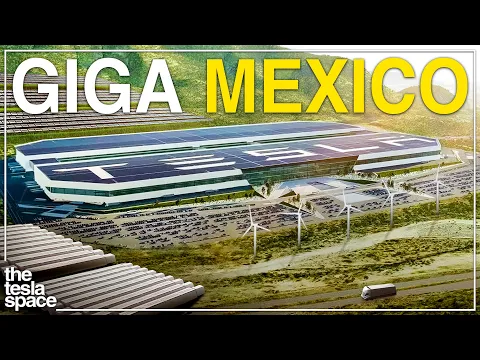

Construction Work On The New Factory In Mexico Is Set To Begin As Early As May, Company Says
According to market information about Tesla’s new factory project in Mexico, construction work is scheduled to begin as early as May.
The electric vehicle company is planning an initial investment of US$ 5 billion in the development of the factory, thus creating 5,000 jobs directly in the country.
Furthermore, this amount will rise to US$ 10 billion and 10,000 employees when its maximum capacity is reached.
This is one of the largest projects the company has ever undertaken, given that production will start with double the maximum capacity of the brand’s factory in Berlin and Texas. The productivity goal of 1 million electric vehicles per year will place the company at a new level in the global transportation market.
Now, Tesla is focusing on its investments in the development of the project for the new electric vehicle production factory to accelerate the opening of the plant.
Get To Know Tesla
“We are building a world powered by solar energy, powered by batteries, and transported by electric vehicles. We design sustainable systems that are massively scalable, resulting in the greatest possible environmental benefit. Our energy generation and storage products work together with our electric vehicles to amplify their impact”.





Be the first to react!