






 Portuguese
  Spanish


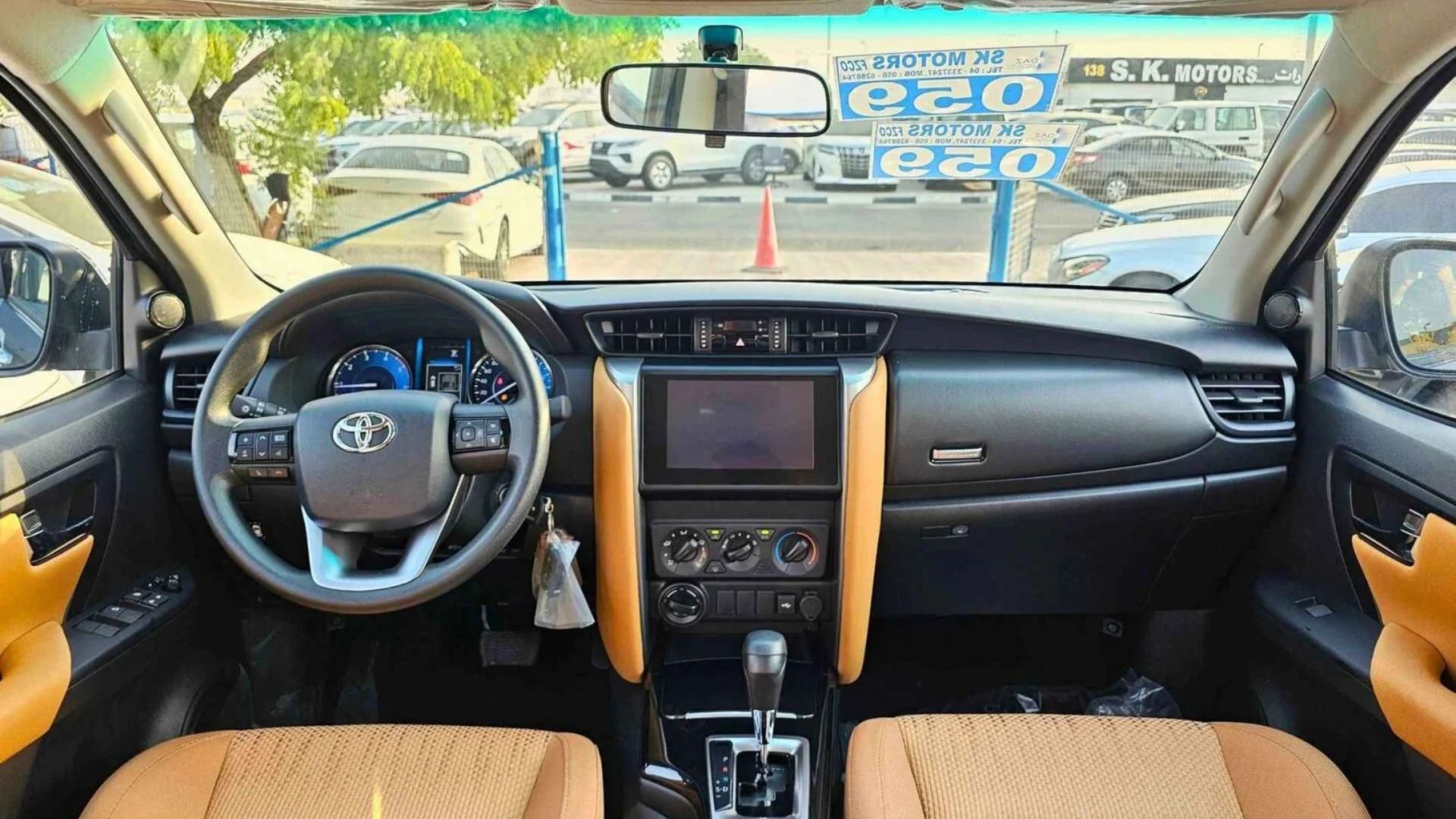


The New Generation of the Toyota Fortuner Should Maintain the Chassis of the Hilux, Receive GR Turbo Engine, and Gain a More Technological Interior, According to Industry Sources. Launch is Expected for 2026 in Asian Markets.
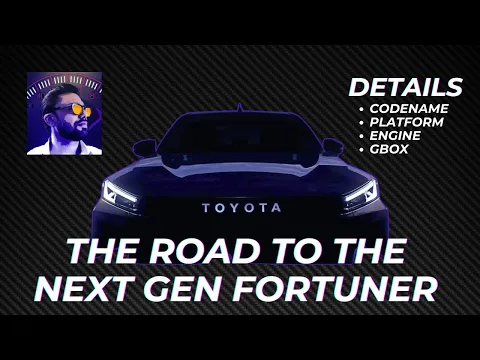
Toyota is preparing the third generation of the Fortuner, codenamed AN250.
According to recent information released by specialized publications, the model will not use the TNGA-F platform, as initially considered, but an updated version of the IMV chassis, the same used in the current Hilux.
The decision, according to analysts, aims to preserve the robustness of the chassis construction and contain production costs, a strategy seen as practical in vehicles aimed at off-road use.
-
Suitcase-sized hydrogen engine spins at 25,000 rpm, nearly doubling the efficiency of conventional cars and replacing exhaust smoke with water vapor

-
1983 Chevrolet Runs Over 100,000 km Without Gasoline, Powered by Wood Chips, Reaches 125 km/h in Airport Test

-
Workshop Converts Giant Tractor Tire Tricycle into a Three-Wheel Drive Hybrid with 36,000-Watt Electric Motor Capable of Climbing Hills

-
Sales of Brazil’s Cheapest Electric Car Halted Before First Deliveries: E-Motors Suspends Emova Easy Due to Import Tax Increase and Rising Freight Costs




Industry sources indicate that the manufacturer intends to balance durability and technological upgrades in the new SUV, maintaining the characteristics that marked the Fortuner in previous generations.
Design Influenced by the New Hilux
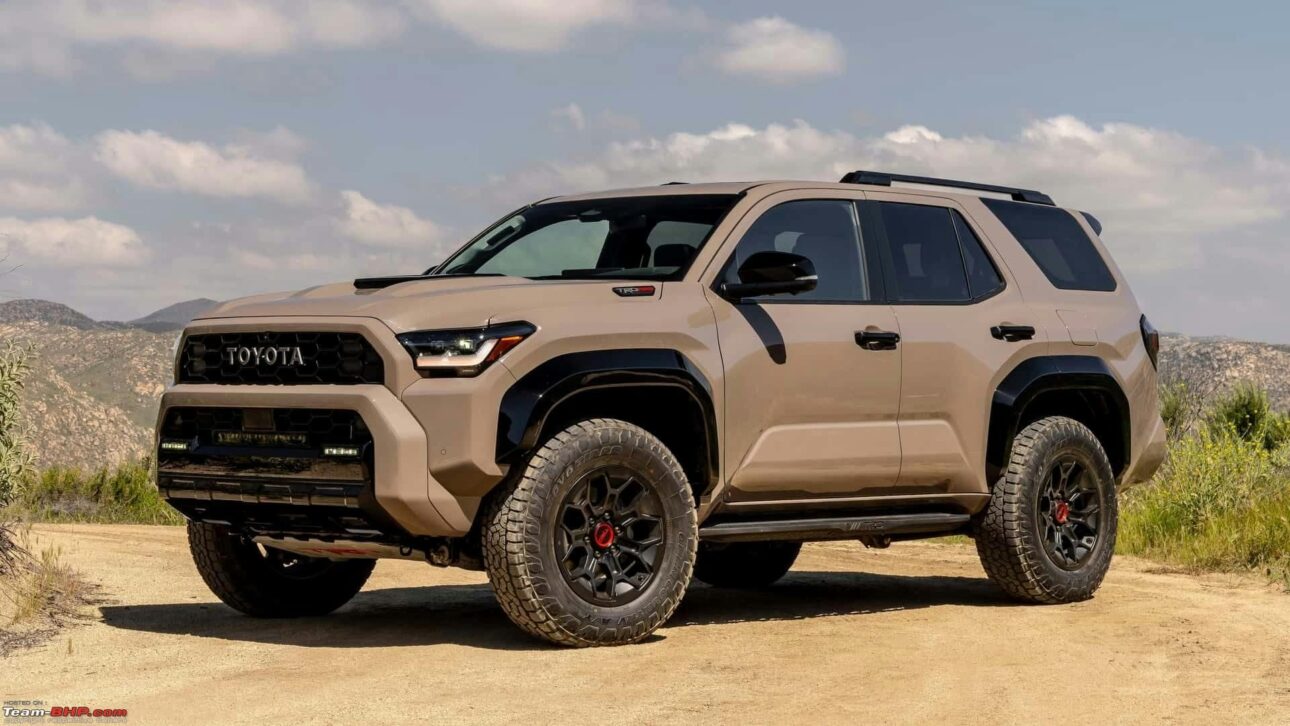
In terms of design, images of prototypes and projections indicate a more imposing look, with a verticalized front grille, narrow headlights, and proportions that reinforce the off-road character.
The body should adopt more pronounced creases and functional bumpers, maintaining approach and departure angles suitable for driving on uneven terrain.
Inside, experts expect improvements in finishing and the use of higher-quality materials, in line with the standard of the new Hilux.
The dashboard should feature a more modern layout and a multimedia system with a high-resolution screen.
Updates in safety and driving assistance systems are also expected, following the advancement of the brand’s electronic packages.
Engines: 2.8 Turbodiesel Confirmed and New GR Option
Documents registered with the Australian Department of Transport, cited by international automotive publications, indicate the continuation of the 2.8 turbodiesel engine currently used by Toyota.
The engine is expected to receive efficiency and calibration improvements, but without deep structural changes.
Another novelty under consideration is the introduction of a 2.0 turbo gasoline engine, developed by the sports division Gazoo Racing (GR), which would replace the old naturally aspirated V6.
According to industry analysts, this choice aims to reduce emissions and improve response at mid-range RPMs, while maintaining competitive performance.
So far, Toyota has not officially confirmed the power or torque of these engines.
Efficiency and Performance
Reference data from Asian markets indicate that the current Fortuner achieves up to 14 km/L under standardized conditions with the 2.8 turbodiesel engine.
Experts expect the new model to maintain similar performance, supported by software upgrades and mechanical improvements.
The focus is to ensure competitive fuel efficiency within the chassis SUV category.
Transmissions and Traction
The transmission offerings should include a six-speed manual transmission and an eight-speed automatic transmission, as reported by international portals.
The 4×2 versions are expected to remain as the entry option in emerging markets, while the 4×4 versions with low range will continue to target audiences that use the vehicle on trails and unpaved roads.
The traction system may feature electronic differentials and specific driving modes, according to sources linked to the project’s engineering.
Platform and Costs
The maintenance of the updated IMV platform, instead of adopting the TNGA-F, has been interpreted by experts as a way to rationalize costs and take advantage of the existing supply chain from the Hilux.
This choice allows Toyota to preserve characteristics of mechanical strength and facilitate maintenance in markets where the model is widely used under severe conditions.
Electric Version and Future Plans
The automaker is also evaluating, according to information from the Asian press, the development of an electric version of the Fortuner, in line with Toyota’s global strategy of diversifying powertrains.
The initiative would include hybrid solutions and 48V systems in combustion engines, depending on the infrastructure and demand of each country.
So far, there is no official confirmation about the stage of these studies.

Launch and Schedule
Indian specialized publications project that the new Fortuner will be presented between April and November 2026, shortly after the launch of the new generation of the Hilux.
The schedule follows the historical standard of the brand, which usually launches the pickup before the derived SUV.
Toyota has not yet disclosed official dates or the production location of the model.
Expected Equipment
The new Fortuner is expected to incorporate an updated version of the Toyota Safety Sense package, with features such as autonomous emergency braking, adaptive cruise control, and lane-keeping assist.
Industry sources also mention the possibility of including 360-degree cameras, full-LED headlights, and enhanced connectivity, along with improvements in interior comfort, such as seats with power adjustments and multi-zone climate control.






Sempre essas matérias inúteis, de carros que nunca chegam no Brasil. Uma lástima!
Essa aí não é a FORTUNER, globalmente a FORTUNER é a “nossa SW4. Esse excepcional modelo é a 4RUNNER que tem a característica do vidro da tampa traseira ser elétrico, sim, ele sobe e desce por acionamento em botão no painel. Tivemos a 2° e 3° geração da 4RUNNER aqui no brasil, também nominada aqui como Hilux SW4 lançada até o ano de 2002. Realmente é um pena não termos esse modelo por aqui…
Nossa, novidade! Não, nos EUA isso é a 4Runner cujo chassi é melhor do que dá SW4, assim como o chassi da Tacoma é melhor do que dá Hilux.