Portuguese
  Spanish


With Growing Fiscal Pressure, Brazil Halts Infrastructure Works. Investments Fall Below 2% of GDP and Threats Loom Over Roads, Schools, and Hospitals, Warns BNamericas.
Brazil is facing a dilemma that is haunting its economy again: the decline in public investments in infrastructure. According to a recent analysis by the consultancy BNamericas, the fiscal adjustment imposed by the government to balance public accounts is resulting in severe cuts to the country’s essential works, affecting roads, schools, hospitals, and sanitation projects. Meanwhile, the population’s demand for basic services continues to grow, creating a mismatch that threatens economic competitiveness and social well-being.
Decline in Investments and Immediate Impact
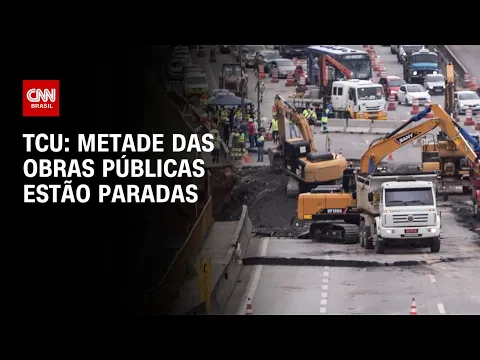
The current scenario shows that public investments in infrastructure now represent less than 2% of GDP, a historically low level for a continental country like Brazil. For comparison, during periods of greater expansion, such as in the 2010s, this index exceeded 4%.
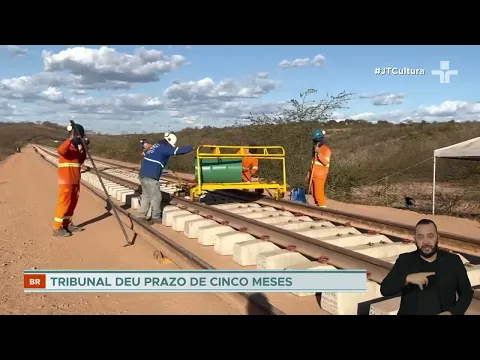

This cut has a direct impact on the maintenance of federal highways, the expansion of energy networks, and the progress of stalled works in strategic areas.
-
They exchanged the idea of a large house for a 35 m² warehouse, spent US$ 12,000 on the structure, and created a tiny house in Colorado with space to live and work.

-
While modern cities rely on pumps and electricity, in Iran, ancient tunnels carried water through the desert using only slope and gravity.
-
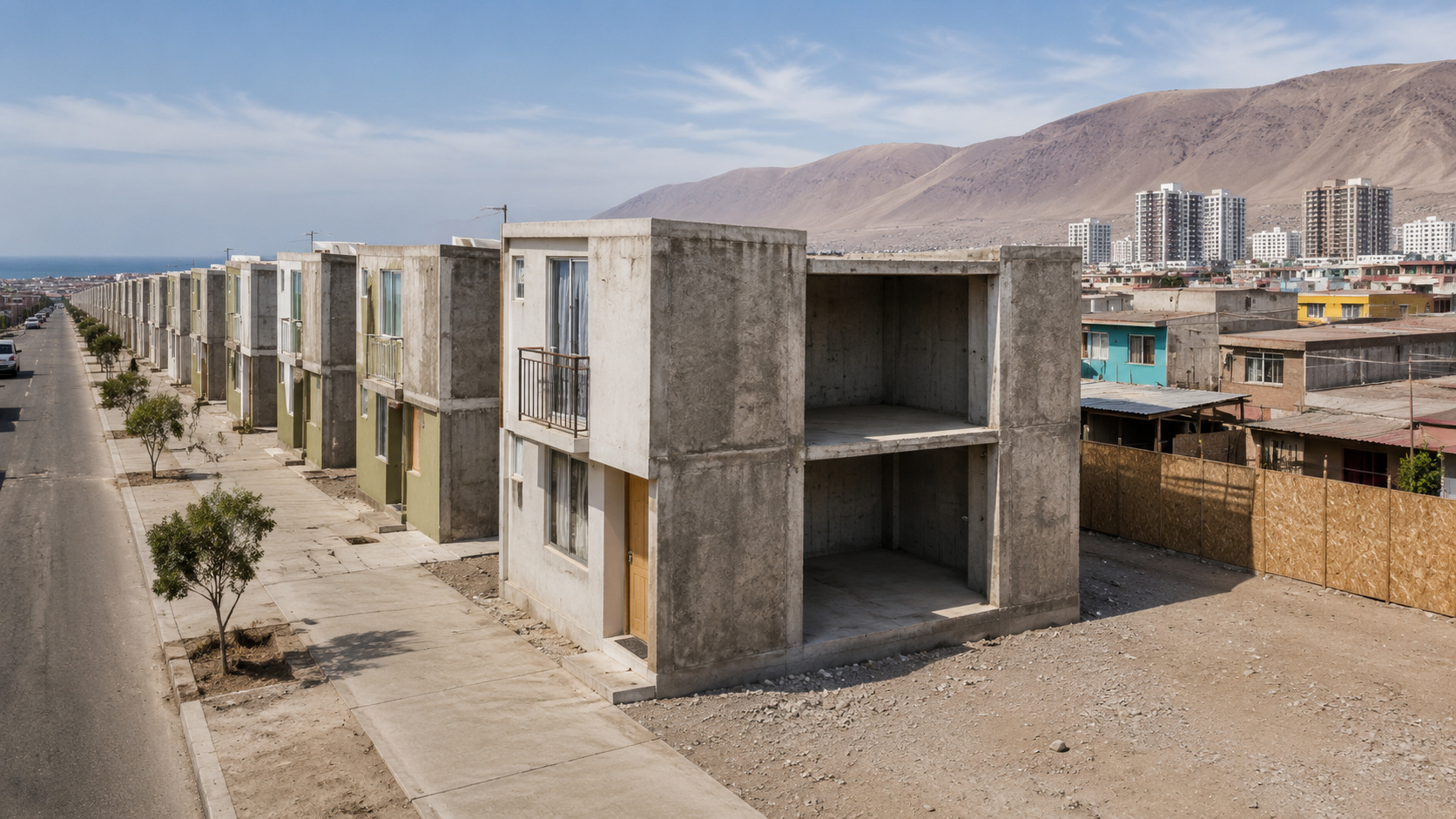
Instead of sending families far from the city, a project in Chile intentionally created incomplete houses on expensive urban land and left technical space for each to grow.
-
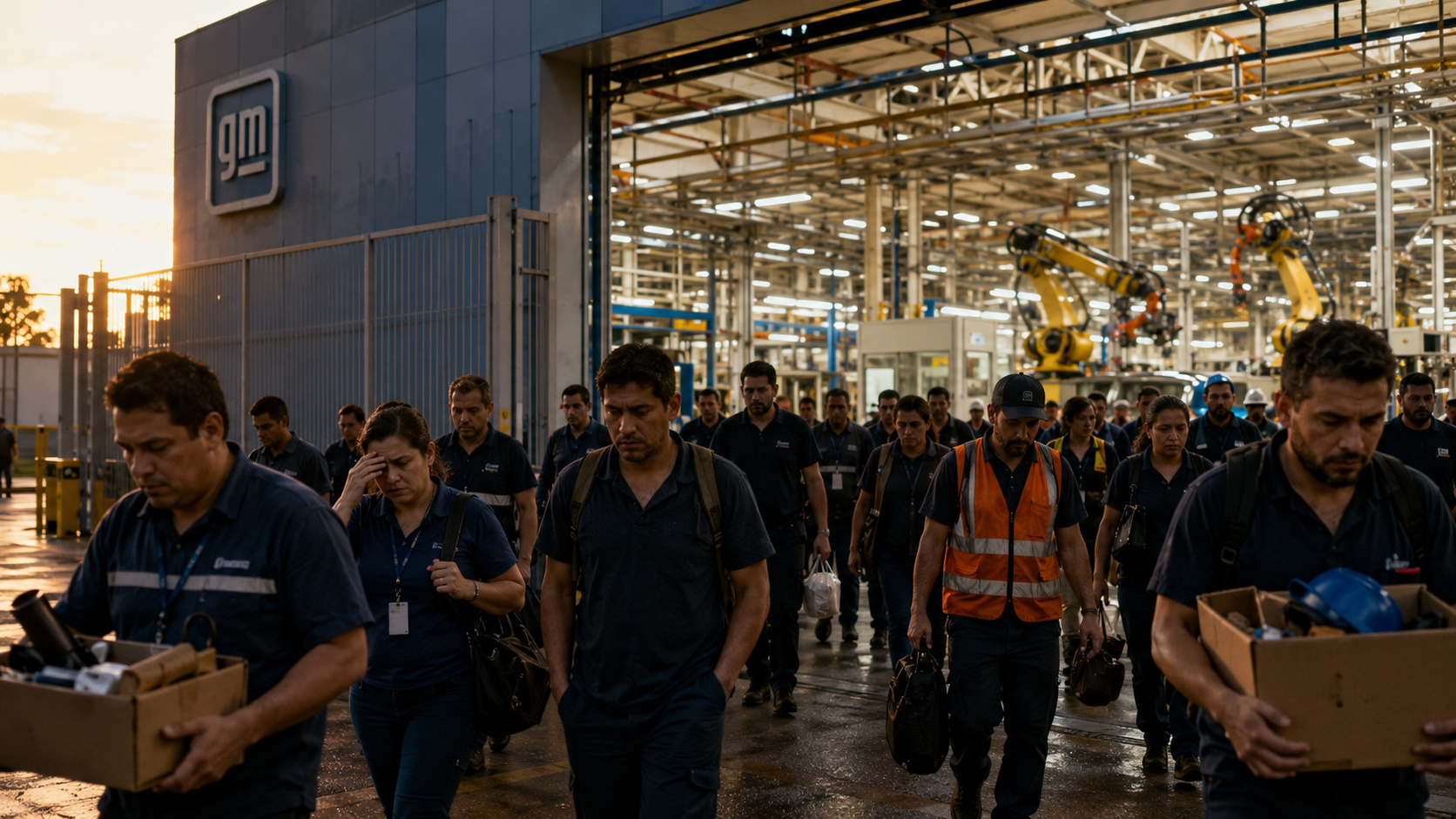
General Motors Replaces Over a Thousand Workers with 50 Cobots at Electric Vehicle Plant, UAW Union Criticizes Move Amid Industry’s Automation Push

With deteriorating roads, overloaded ports, and persistent logistical bottlenecks, the productive sector incurs additional costs that ultimately get passed on to the final consumer.
Collapsed Roads and Costs for Transportation
Road transport accounts for around 65% of cargo movement in Brazil, but a large part of the federal network remains in poor condition.
Reports from the National Transport Confederation (CNT) have already indicated that more than 50% of the evaluated highways have conservation issues.
With the freezing or postponement of investments, the risk is that crucial roads for the flow of harvests and industrial products may collapse, raising freight costs and reducing the country’s competitiveness in foreign trade.
Schools and Hospitals Awaiting Expansion
In the social field, the lack of investments hampers the expansion of the network of public schools and hospitals. The deficit of classrooms in growing cities continues to pressure local managers, while healthcare units suffer from overcrowding and lack of equipment.
According to data from the National Observatory of Basic Education, the country still needs to create hundreds of thousands of spots to achieve the universal attendance outlined in the National Education Plan.
In the healthcare sector, the problem is similar: the demand for regional hospitals is growing, but many projects remain on paper or stalled due to lack of funding.
The Burden of Fiscal Pressure
The federal government is facing restrictions imposed by the fiscal framework and the need to control the primary deficit. This situation forces cuts in investment areas, considered “discretionary expenses,” while mandatory spending, such as pensions and payroll, continues to rise.
In practice, this means that infrastructure, science and technology, and competitive social programs are the first areas to endure adjustments.
The paradox is that these investments could generate economic growth capable of alleviating public accounts in the future.
Dependence on the Private Sector
Faced with the contraction of public investment, experts assert that Brazil is becoming increasingly dependent on the private sector to execute strategic projects.
Highway concessions, airport auctions, and privatizations in sanitation are already part of this movement.
BNamericas warns that without the resumption of state contributions, the private sector alone may not be able to handle the scale of Brazilian bottlenecks. Furthermore, there are areas, such as healthcare and education, where market logic hardly replaces the need for direct public investment.
The Long-Term Impact
The stagnation in investments in infrastructure can bring severe long-term consequences:
- Reduced international competitiveness, with an increase in the so-called “Brazil Cost.”
- Technological delay, as innovation and digital connectivity works are also slowed down.
- Widened social inequality, due to the lack of schools, hospitals, and sanitation.
- Risk of logistical collapse, if roads and railways are not modernized in time.
In a country that heavily depends on agricultural and mineral exports, the precariousness of logistical routes can undermine gains made with bumper crops and trade agreements.
The debate on public investment in Brazil is longstanding. Between 2013 and 2017, the country had already experienced a cycle of disinvestment. Now, under a new fiscal context, history seems to be repeating itself.
The central question is: how to reconcile fiscal balance with the need for structural investment? The answer involves alternatives such as public-private partnerships (PPPs), sectoral funds, funding from development banks, and greater efficiency in budget execution.
Possible Paths
Experts suggest some solutions to avoid a collapse in critical areas:
- Expand concessions in highways and ports, ensuring private investments.
- Establish linked funds for the maintenance of schools and hospitals.
- Leverage royalty resources from mining and oil for social infrastructure.
- Improve governance to reduce waste and speed up project execution.
Without urgent measures, the risk is that Brazil continues to accumulate structural deficits, with social and economic losses that will cost even more in the future.
The Warning from BNamericas
BNamericas’ report makes it clear: Brazil needs robust and consistent investments in infrastructure to sustain growth, reduce inequalities, and compete on the global stage.
Cutting funding may relieve the coffers in the short term, but it generates a backlog of unfinished works, poor roads, and insufficient public services.
The urgency is evident. The country finds itself at a crossroads where it must choose between maintaining strict fiscal adjustment or finding creative solutions to avoid sacrificing its future.