Portuguese
  Spanish


With a 21 Million Liter Reservoir and Over 5 km of Galleries, R$ 123.5 Million Project Seeks to Solve a Historic Problem in the West Zone.
Residents of the West Zone of Rio de Janeiro have lived with the fear of rains for decades. Flooded homes, mud, and losses are a constant reality. Now, a large-scale project in Realengo emerges as a concrete solution to the flooding problem in Rio de Janeiro. The construction of a colossal “flood control reservoir” and an integrated drainage system are underway. The question is: will this be the definitive game changer against flooding in the region?
A New Hope Against Floods: What Is the Realengo Flood Control Reservoir?
Realengo, one of the most populous neighborhoods in the West Zone, with 165,881 residents, is at the center of one of Brazil’s largest drainage works. The project, budgeted at R$ 123.5 million, calls for the construction of a subterranean reservoir, known as “flood control reservoir”. Its capacity will be 21 million liters of water.
In addition to the reservoir, the project includes the implementation of over 5 km of new stormwater galleries. A micro-drainage network will also be created. The goal is to integrate the entire system with the Catarino River, one of the main watercourses in the region, alleviating the suffering of residents.
-
Wood-Look Aluminum Emerges as a High-Tech Alternative for Facades and Gates, Offering Sophisticated Aesthetics and Low Maintenance

-
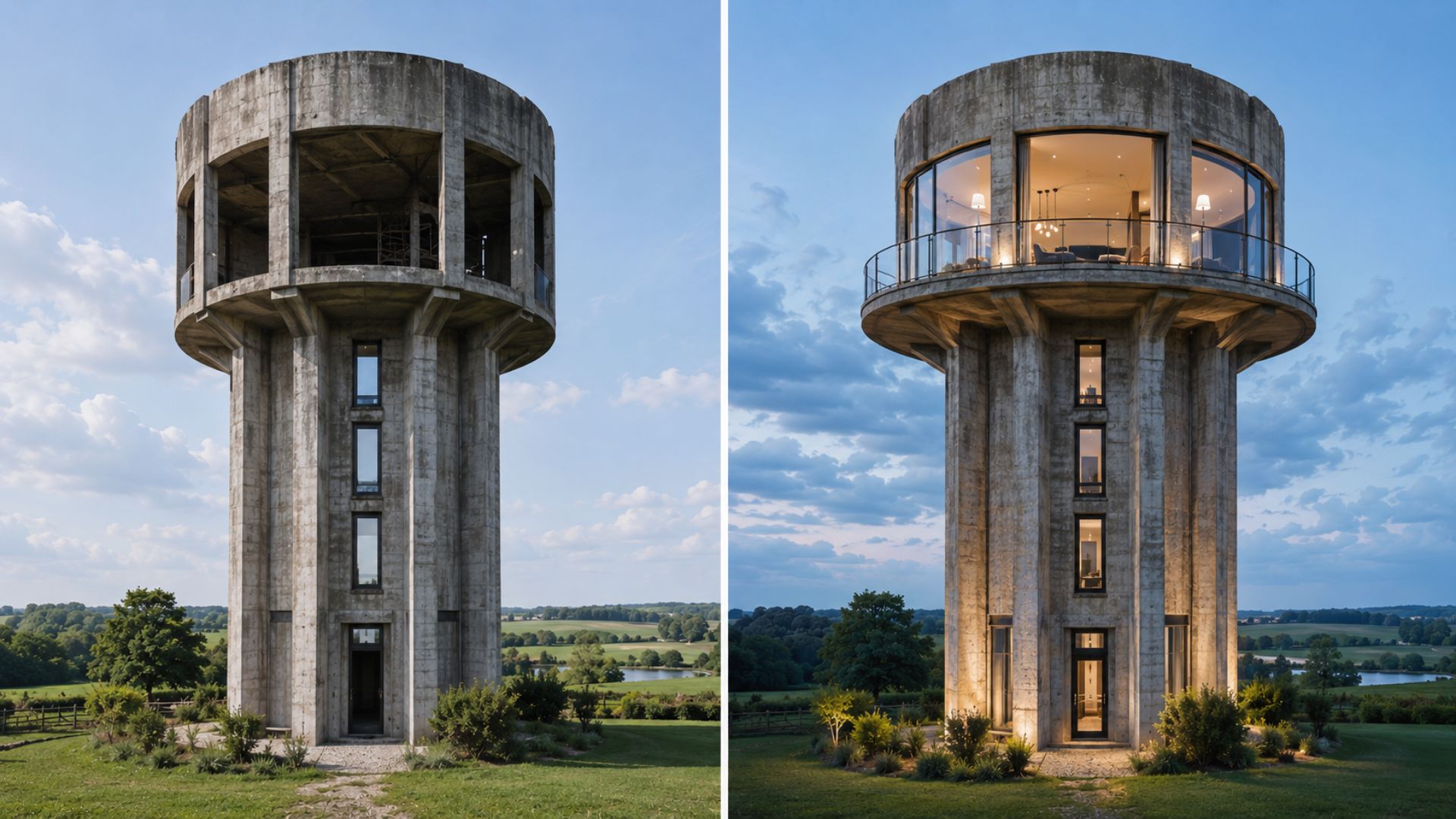
Couple Transforms 1964 Concrete Water Tower into Four-Bedroom Home with Views of London Over Four Years

-
U.S. City Builds Tiny Home Village on Water Company Land to House 136 Homeless People: Inside the Social Housing Units
-
Woman Turns Shipping Container into Home, Embraces Rural Life to Cut Monthly Expenses to Just Over $330



Decades of Abandonment: The History of Floods in the West Zone
The fight of Realengo against flooding is old. There are reports of homes flooded since the 1970s. The situation became critical from the 2000s onwards. In 2013, a torrential downpour paralyzed the neighborhood, turning streets into rivers and causing losses for numerous families.
In the past, only temporary works were carried out. The unplanned urbanization sealed the soil, while the Catarino River became a narrow, overloaded channel. The pressure from community movements was crucial for the current project to come to fruition.
Engineering and Planning: The Details of the Mega Work Against Flooding
The work fronts were officially started on July 19, 2025. The City Hall of Rio, through the Rio-Waters Foundation, is executing the project with resources from the New PAC. The heart of the work is the immense reservoir, regarded as the largest ever planned for the urban area of Rio, surpassing that of Praça da Bandeira.
The chosen site is Rua Bernardo de Vasconcelos, a critical area for flooding. In addition to excavation for the flood control reservoir, 5 km of deep stormwater galleries are being implemented. The project also includes new drains and the reconfiguration of the Catarino Riverbed. Traffic management is monitored in real-time by the Rio Operations Center (COR) to minimize impacts.
A Model for Brazil? The Difference of the Realengo Project
Flood control works are not new. The flood control reservoir of Praça da Bandeira, with 18 million liters, has already proven effective. The difference in Realengo is the integration. The system was designed to work in conjunction with rivers and galleries.
Another important point is the involvement of the population. Public meetings and direct communication are part of the process. A training program has also been initiated, training local workers in drain maintenance and environmental education. This integrated model, which combines engineering and community, can inspire other cities.
The Post-Work Future: Expected Impacts and Next Steps
The official schedule provides for the completion of the work in 36 months, by mid-2028. However, the city expects the first phase to be operational by summer 2026, reducing the more common flooding.
The expected benefits go beyond the end of flooding: increased property values, resilience of local commerce, and improvements in public health are anticipated. The work could become a laboratory for the future of urban drainage in Brazil. Building is just the beginning; preserving and maintaining will be the true challenge to transform Realengo into a reference in combating flooding in Rio de Janeiro. The true test will come with the next major rain.
And you, what do you think? After so many decades of suffering, do you believe that this mega work will be the definitive solution for Realengo or will the next big storm still bring fear to residents? Leave your opinion in the comments!
Information from Construction Time.