






 Portuguese
  Spanish
  3 min of reading
  0 comments


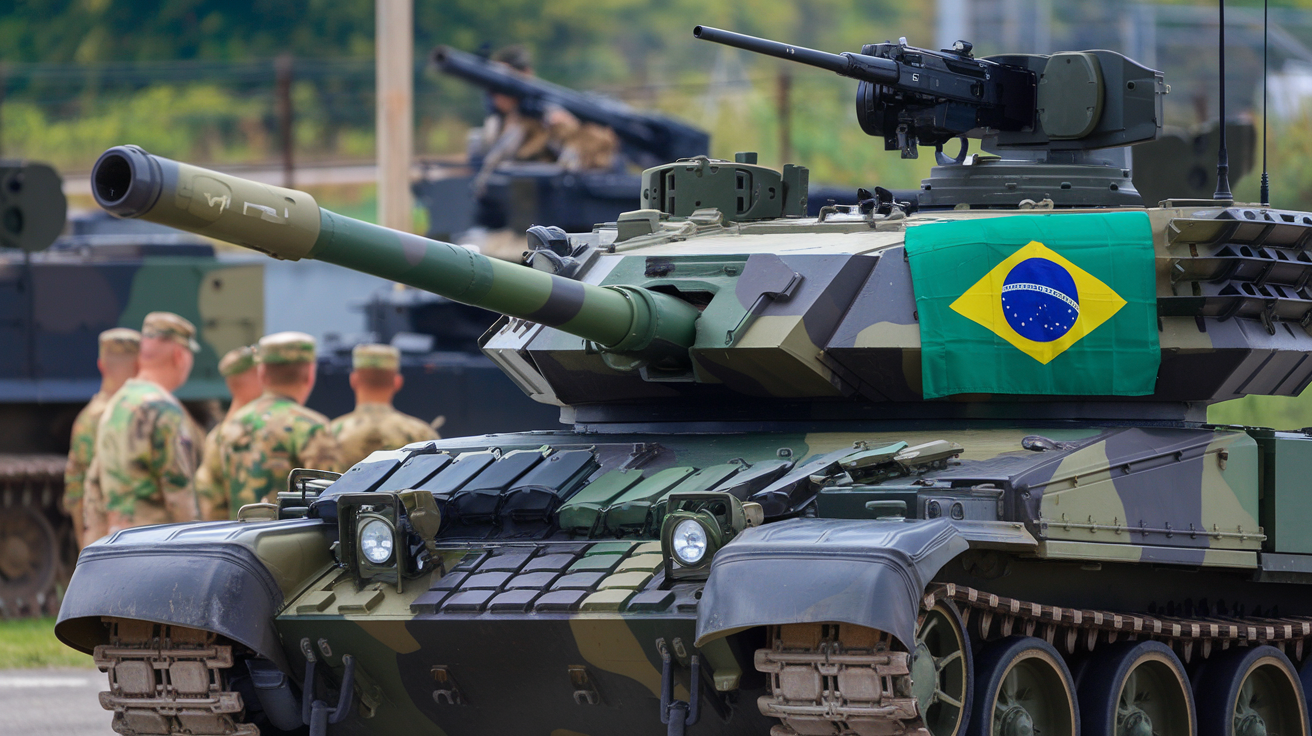
Brazilian Army in Action: Government Mobilizes First Anti-Tank Company with 150 Soldiers to Strengthen Border Protection with Venezuela Following Nicolás Maduro’s Measures
The approach of January 10, 2025, intensifies tensions in South America, with the political crisis in Venezuela directly impacting Brazil. Nicolás Maduro, the Venezuelan leader, refuses to cede power to Edmundo Gonzales, the internationally recognized winner of the 2024 elections, generating instability in the country. Thus, the Brazilian Army is responding and creating an Anti-Tank Company to protect borders.
Brazilian Army’s Anti-Tank Company Will Have 150 Soldiers
The raised issue is the political and economic instability in Venezuela, exacerbated by the deadlock between Nicolás Maduro and Edmundo Gonzales, which could trigger a new excessive migratory wave to Brazil, generating humanitarian and security challenges, as well as military tensions at the northern border. In response to Maduro’s threats and the possibility of a new massive migratory wave, the Brazilian Army is strengthening its presence at the northern border.
Among the announced measures is the formation of the First Anti-Tank Company, equipped with advanced missiles such as Israeli-made Spike LR2 and the Max MSS 1.2 AC, developed in Brazil.
-
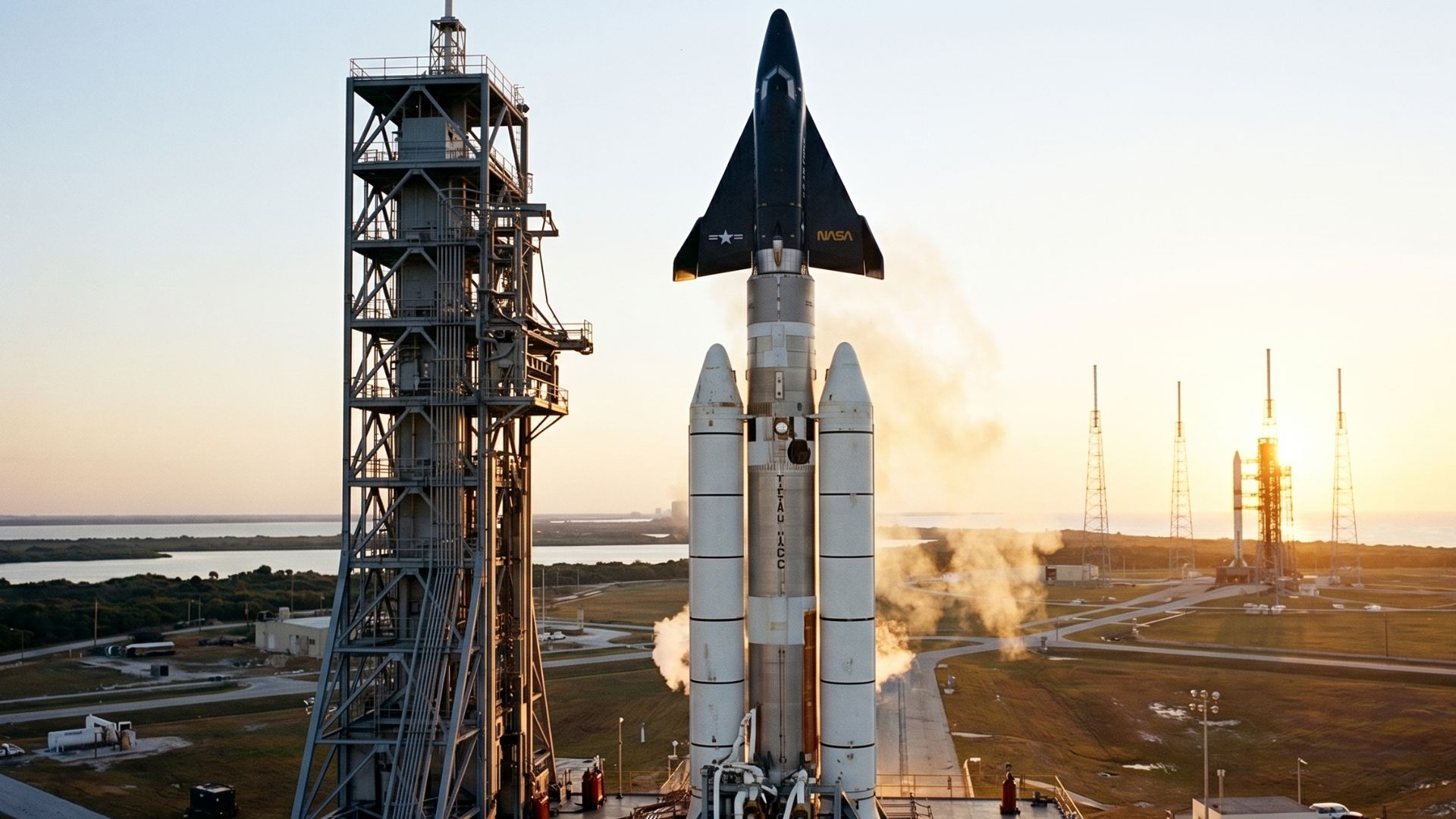
The military spaceplane that almost took the Cold War into orbit: Boeing X-20 Dyna-Soar was designed to re-enter above Mach 20, fly for up to 40 hours, land like a plane, and transform Titan rockets into a gateway to a new era of orbital warfare.

-
FAB bets on national drones and increases investments to strengthen the Brazilian aerospace industry

-
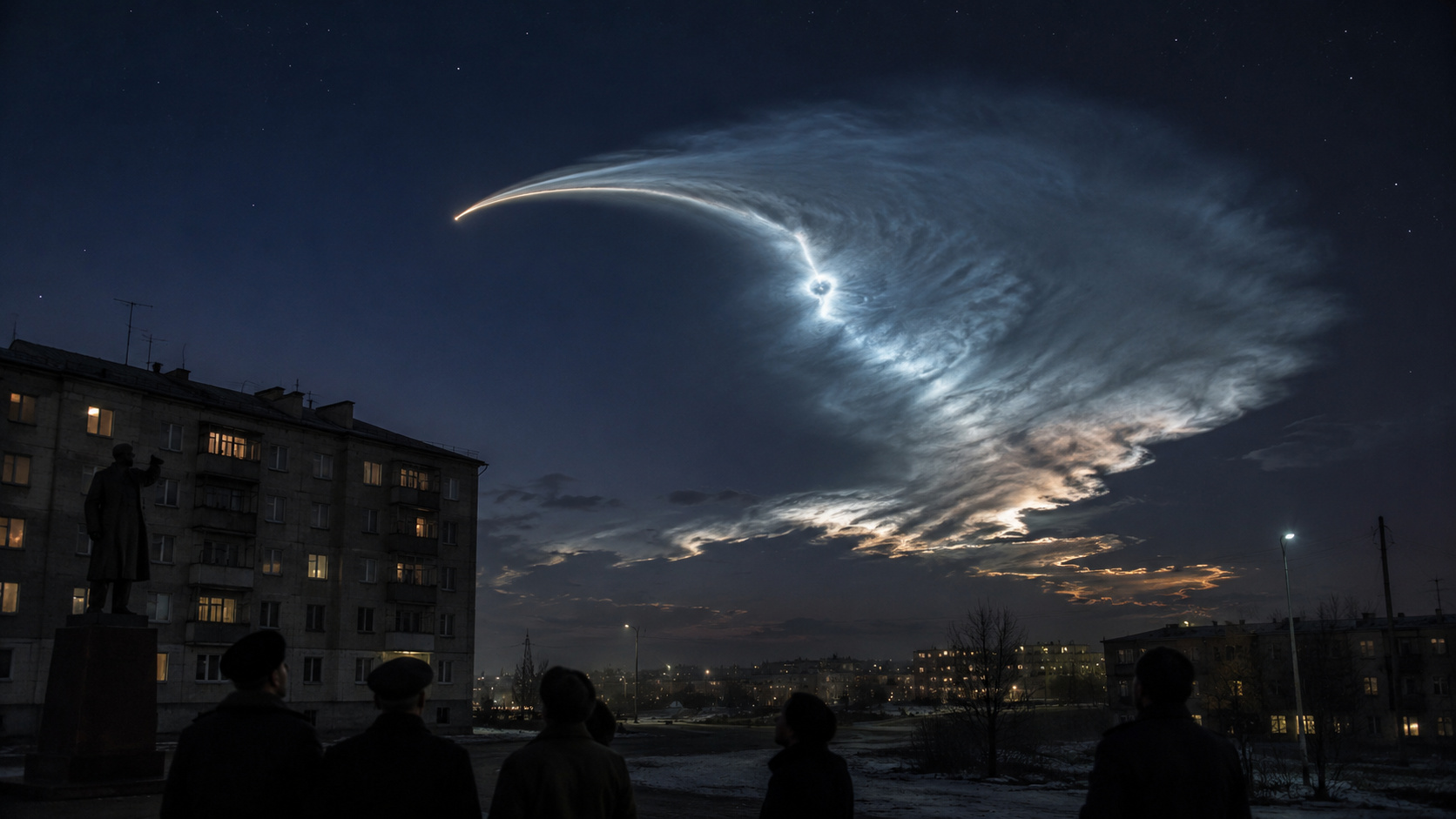
Six times, a luminous crescent the size of the Moon startled the Soviet sky at dusk: it seemed like a wave of UFOs, but it was a secret orbital weapon created to attack the United States via the South Pole and evade Cold War radars.

-
The United States government approved a potential sale of 100 portable Stinger anti-aircraft missiles to the Brazilian Army, in a package estimated at around 330 million dollars that still depends on negotiations between the two countries.


The new anti-tank unit will consist of 150 highly trained soldiers, capable of rapid deployment to strategic regions. Additionally, missiles and other equipment are already being sent to the 18th Mechanized Cavalry Regiment in Boa Vista, Roraima, strengthening the defense at the border with Venezuela.
The migratory crisis is one of the main concerns of the Brazilian government and army. With more than 8 million Venezuelans already living as refugees, a new wave of displaced individuals could overload public services in states like Roraima, as well as intensify social and security problems.
Maduro Plans to Arrest González
Experts warn of the risk of infiltration by paramilitary or criminal groups among the refugees, increasing the complexity of the crisis. The combination of humanitarian and security challenges demands a coordinated response between Brazil and the international community.
As the situation in Venezuela remains uncertain under Maduro, Brazil is reinforcing its military preparation with the Anti-Tank Company and seeks to balance humanitarian and security measures. The coming months will be decisive for the region’s stability.
It is important to highlight that the Venezuelan regime reiterated on Monday (17) that opposition leader Edmundo González Urrutia, in exile in Spain, will be arrested if he returns to the country.
The threat came after the banner bearer of the anti-Chavista forces, considered by part of the international community as the elected president, expressed his intention to take office in Caracas on January 10, despite Nicolás Maduro being proclaimed the winner of the election marred by fraud.
Understand What Will Happen on January 10
Nicolás Maduro is assembling a war operation to prevent any demonstrations at his upcoming inauguration ceremony, scheduled for January 10.
Maduro proclaimed himself the winner in an electoral fraud on July 28, despite opponent Edmundo González Urrutia receiving double the votes. With this, he intends to begin a third six-year term.
However, seven countries have already declared that they understand that the elected president of Venezuela is Edmundo González Urrutia. Additionally, graffiti in several cities in Venezuela shows popular rejection of Maduro’s third term, with phrases like “January 10, freedom now.” The dictatorship is then moving to intimidate the population as much as possible to try to ensure the maintenance of the dictatorship without major obstacles.
In August, Maduro appointed the number two of Chavism, Diosdado Cabello, as the Minister of People’s Power for Interior Relations, Justice, and Peace. On the morning of Saturday, the 14th, Cabello participated in an event with Rapid Reaction Units of the Bolivarian National Armed Forces.




-

-

-

6 people reacted to this.