Portuguese
  Spanish




Brazil Expects To Gain Even More Global Highlight In The Use Of Renewable Fuels Through The Fuel Of The Future Project
Brazil already has a very prominent position globally in the production of biodiesel and ethanol from sugarcane. According to José Mauro Coelho, Secretary of Oil, Natural Gas and Biofuels from the Ministry of Mines and Energy (MME), Brazil is the second largest producer of ethanol from sugarcane and the first in biodiesel production, he said in an interview with Voz do Brasil.
Mauro Coelho also highlighted the excellent scenario of the Brazilian energy matrix, which stands out as one of the cleanest in the world. Today, about 25% of all fuel that Brazil uses comes from renewable sources. The goal is to reach 30% by 2030, something unique in the world.

To achieve the goal, the Fuel of the Future program was launched, which aims to increase the share of low-carbon fuels in Brazil’s energy matrix: “Brazil has made great strides in Flex Fuel vehicles, in the use of biofuels. In this period of energy transition, we need to further develop this vehicle technology,” highlighted José Mauro Coelho.
-
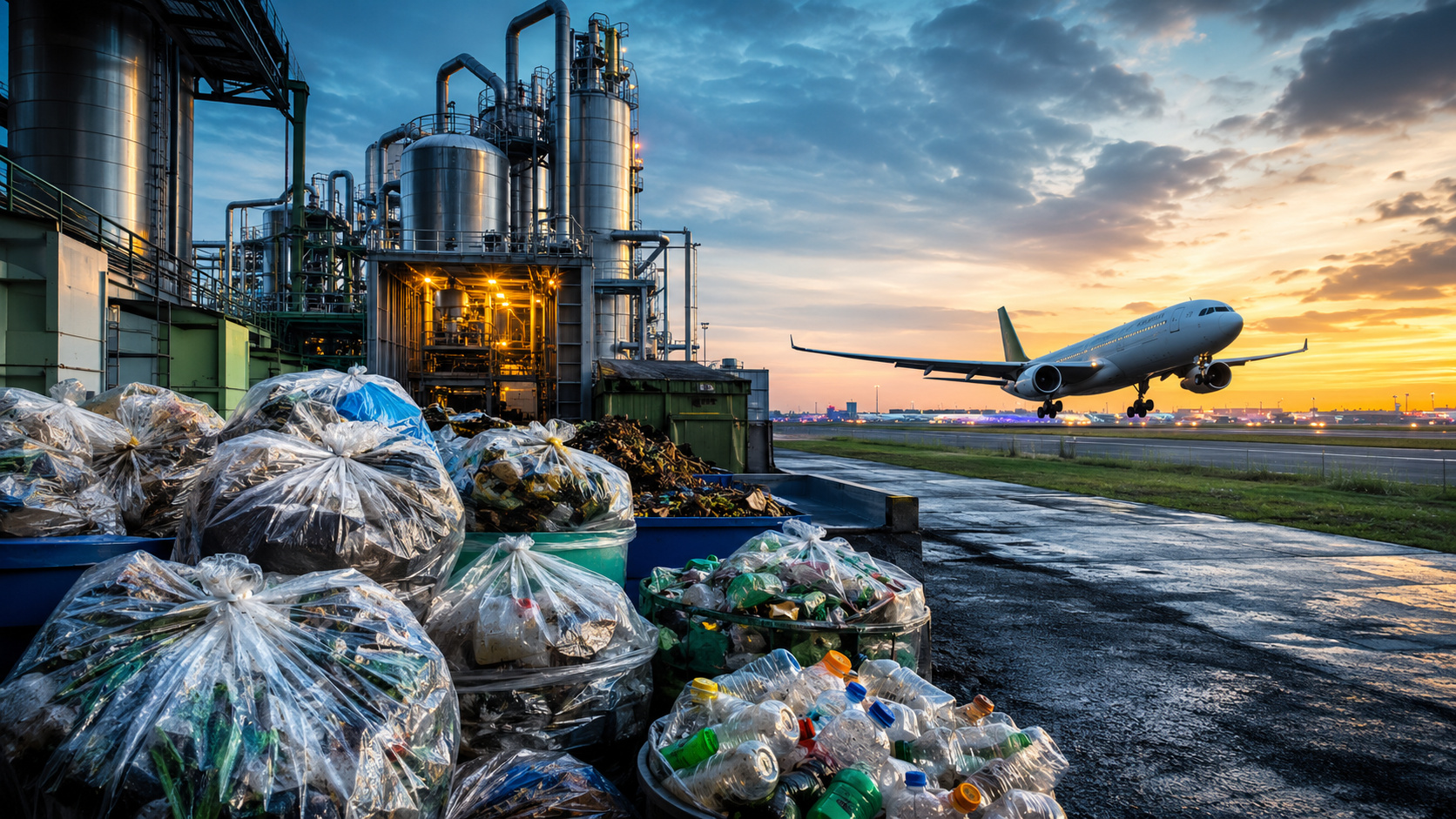
Qantas and Airbus Invest in Company Aiming to Convert Unsorted Household Trash into Jet Fuel

-
Brazil’s ANP Opens 86 New Oil Blocks in the Equatorial Margin, Expanding the Amazon River Mouth Frontier

-
OPEC+ Boosts Oil Supply by 188,000 Barrels per Day in July 2026, Leading to Price Drop from $112 to $89 per Barrel in Under Two Months

-
TotalEnergies Signs 20-Year Deal to Purchase 2 Million Tons of LNG from Alaska, Boosting Project Viability


Moreover, the creation of new biofuels is indicated as one of the solutions: “We are looking ahead and seeing new fuels that can be integrated into our energy matrix, into our transportation matrix,” he emphasized.
Coelho also emphasized that the use of biofuels is a reality in Brazil, especially in cargo transportation across the country, with the use of biodiesel. Another option to help Brazil reach the 30% target is the use of green diesel, which has already been used in Europe. The Fuel of the Future project aims to create more options for the maritime and aviation sectors.