Portuguese
  Spanish


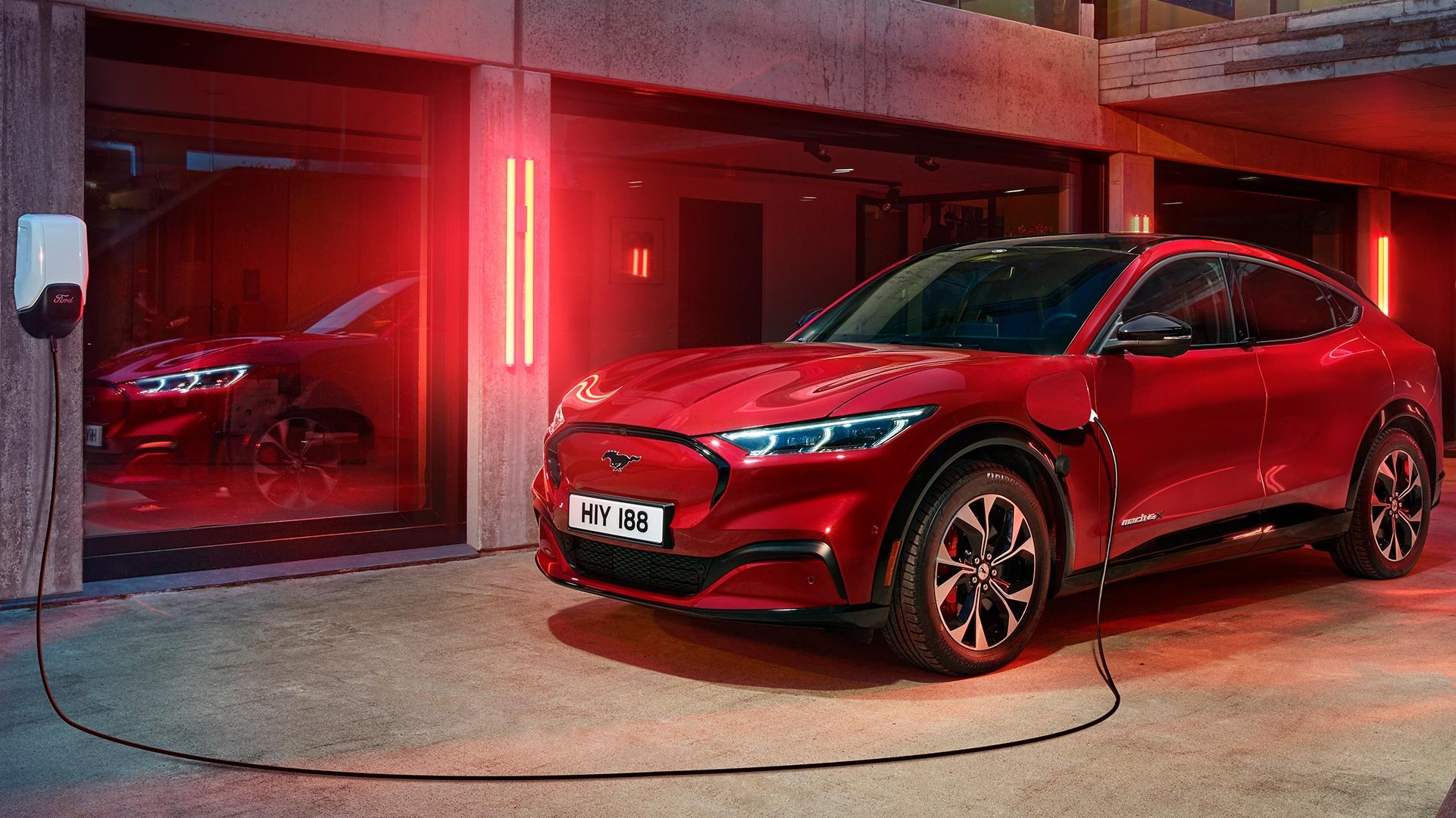

Multinational Ford Highlighted That, to Contain the Price of the Battery of the Mustang Mach-E, Which Costs the Price of the Vehicle, It Already Has Investments and Partnerships with Companies in the Sector
When the Ford Fusion Hybrid arrived in the Brazilian market, bringing hybrid propulsion to the national market, the price of its batteries caught attention. Since then, the price of lithium-ion batteries has been a “permanent” comment in news about electric and hybrid cars. Recently, it was published on the site Reddit, by an owner of a Ford Mustang Mach-E, that the batteries of his electric car at dealerships cost the same as the vehicle itself. The batteries of the electric car cost around R$ 237,475, the price of the entry-level Select model.
Read Other Related News
Ford Claims It Is Seeking to Reduce the Price of the Component for the Electric Car

The previously mentioned price was found in Canada. The site Carscoops consulted a dealership in the United States, in the state of Florida, and found the batteries priced at R$ 103,149 for the smaller set and R$ 131,757 for the more expensive versions of the Mustang Mach-E.
These prices are close to those of the entry-level version of the Maverick pickup. The multinational Ford has already announced a partnership with a company focused on battery recycling to reduce the costs of the component and lessen the environmental impact during disposal.
-
End of an era in Brazil: beloved sedan by Brazilians is discontinued despite having a 2.0 engine with 151 hp, CVT transmission, 466-liter trunk, and up to 650 km of range.

-
New Law Proposal in Brazil Could Heavily Penalize Drivers: Dangerous Overtaking May Become a Serious Offense with Fines Increased Tenfold and a 12-Month License Suspension; Update on 2026 Progress

-
Electric Revolution: Watts W125 Motorcycle Offers 160 km Range, 90 km/h Speed, and Affordable Price Starting at $3,000
-
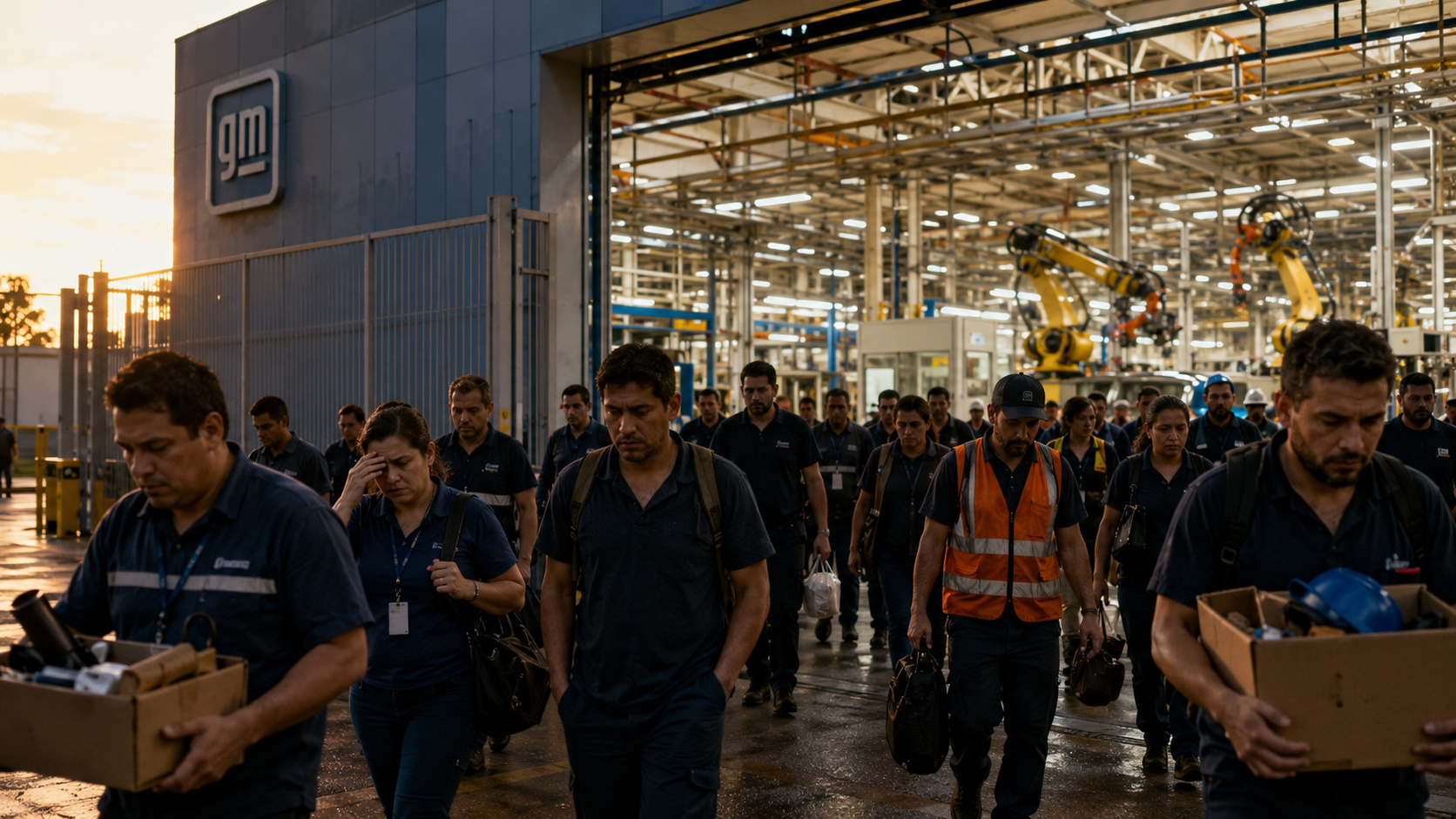
General Motors Replaces Over a Thousand Workers with 50 Cobots at Electric Vehicle Plant, UAW Union Criticizes Move Amid Industry’s Automation Push


In Brazil, having a plan for the recycling or disposal of batteries made by manufacturers selling electric vehicles is mandatory.
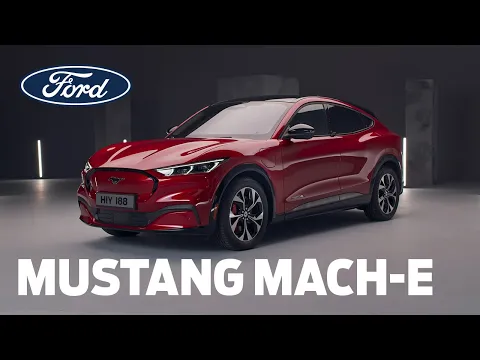
Mustang Mach-E Achieves 610 km of Range
Already launched in Europe and the USA, the Ford Mustang Mach-E electric car is expected to arrive in the national territory next year. The multinational’s new electric car features various technologies and can detect the driver’s smartphone by proximity to unlock the doors.
The model will not have door handles but rather a button integrated into the window frame. Inside, the Ford Mustang Mach-E features a 15.5-inch multimedia center that operates almost the entire vehicle. There is also a 10.2-inch screen behind the steering wheel that can change appearance depending on the mode selected by the driver.
The electric car is sold in two versions, one with a 68 kWh battery and another with an 88.8 kWh battery, with ranges of 440 and 610 km, respectively. Depending on the version, the model can deliver 269 or 294 horsepower.
Toyota Starts Using Nickel-Metal Hydride Batteries
Taking a different direction, the multinational Toyota employs a diversified strategy for its hybrids. The Japanese automaker, unlike Ford, uses nickel-metal hydride batteries, which are more durable compared to lithium-ion ones.
Toyota is preparing solid-state batteries for its fully electric cars, a cleaner technology for generating and disposing of, as well as being lighter and allowing faster charging.
Lithium-ion batteries, such as those equipped in electric cars like the Mustang Mach-E, are considered merely a transition. The projection is that by 2026 new battery technologies will emerge with lower costs and other advantages.