Portuguese
  Spanish


New Citroën ë-C4 combines electric motorization, a wide package of driver assistance, and uncommon solutions in the cabin, in a proposal that mixes hatch, SUV, and coupe to compete for space among European compact family cars.
Citroën presented the C4 and the 100% electric ë-C4 as the 10th generation of its compact family cars, betting on a body that combines hatchback proportions, SUV elements, and a more fluid profile.
In the electric version, the model was announced with a 100 kW motor, equivalent to 136 hp, 50 kWh battery, and a range of up to 350 km in the WLTP cycle, a set that reinforces the urban proposal.
The brand’s return to the European C segment was accompanied by an architecture designed to accommodate different types of motorization, without limiting the new generation to a single energy alternative.
-
Rolls-Royce Turns Heads with 30-Inch Floating Wheels, 6.6-Liter V12 Engine, and 563 Horsepower

-
2019 Kia Sportage EX: A Spacious and Cost-Effective SUV with 2.0 Flex Engine and Panoramic Roof
-
Fiat Strada Becomes Top Seller in June, Surpassing Onix, Polo, Hilux, and T-Cross with 107 HP Engine and 732 km Range.

-
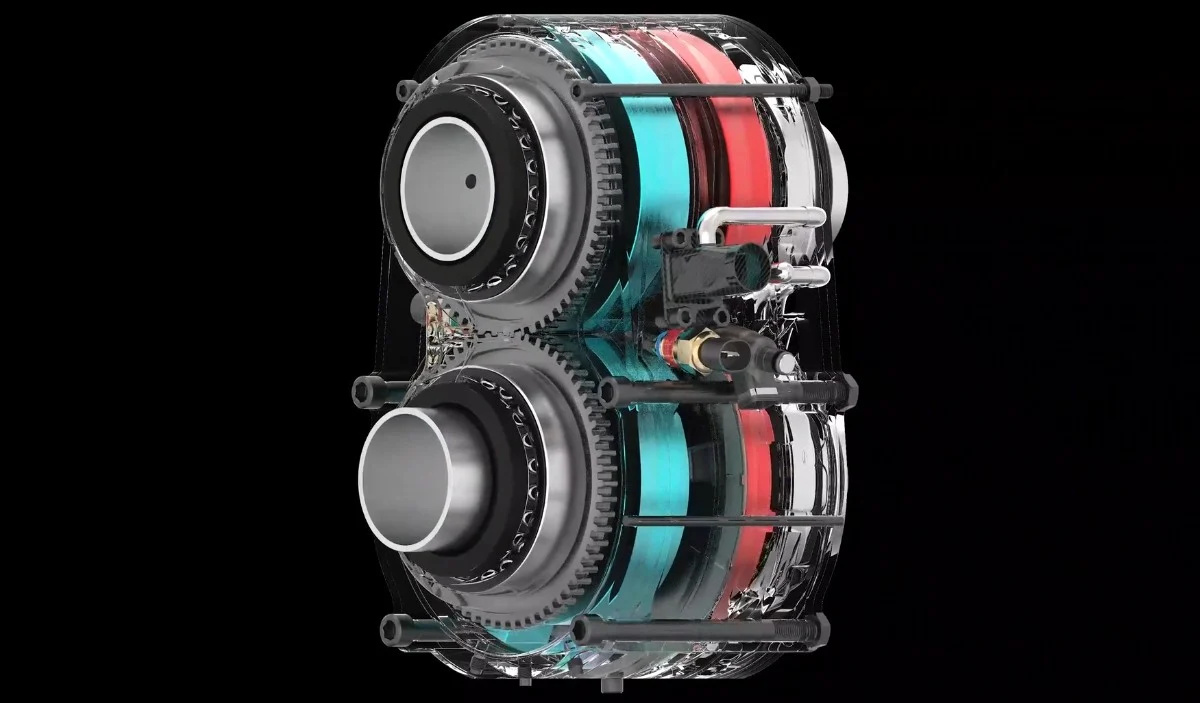
Suitcase-sized hydrogen engine spins at 25,000 rpm, nearly doubling the efficiency of conventional cars and replacing exhaust smoke with water vapor


In addition to the electric ë-C4, the line now includes gasoline and diesel versions, maintaining Citroën’s strategy of meeting consumers with different needs for use, range, and operating cost.
With 4.36 meters in length, 1.80 meters in width, 1.525 meters in height, and a 2.67-meter wheelbase, the C4 was developed to occupy an intermediate range between the traditional hatch and the crossover.
The elevated body reinforces the SUV appearance, while the roof drop maintains a reading closer to a coupe, a solution that helps differentiate the model within the compact family segment.
In practice, this proposal replaced the role of the C4 Cactus in some markets, although Citroën has dropped the “Cactus” surname in the new generation of the European family car.
With a more aerodynamic design, LED light signature, and a cabin focused on driver and passenger comfort, the brand sought to reposition the C4 without abandoning characteristics associated with its recent models.
Citroën ë-C4 bets on comfort and urban autonomy
Equipped with a front electric motor of 136 hp and 260 Nm of torque, the ë-C4 uses a 50 kWh lithium-ion battery to deliver sufficient performance for everyday use.
According to Citroën, this set allows reaching a top speed of 150 km/h and accelerating from 0 to 100 km/h in 9.7 seconds in Sport mode, when responses are more immediate.
The driving can be adjusted by three modes, called Eco, Normal, and Sport, each calibrated to alter power delivery and energy consumption according to the type of route.
While the Eco prioritizes efficiency, the Normal seeks balance for daily use, and the Sport unleashes faster responses from the electric set, especially in accelerations and speed recoveries.
Regarding charging, the brand informed that a 100 kW fast public outlet allows recovering up to 80% of the battery in 30 minutes, a time designed to reduce stops during trips.
At a 32 A charging point, the time varies between 5 hours with an optional 11 kW three-phase charger, and 7h30 in a single-phase installation, depending on the available infrastructure.
For those relying on household outlets, recharging requires more planning, as the estimate released by Citroën was about 15 hours in a reinforced outlet and more than 24 hours in a standard outlet.
These numbers show how charging infrastructure directly influences the routine of an electric car, especially when the vehicle is frequently used for urban commutes and short trips.
Citroën ë-C4 dashboard features retractable tablet holder
Among the cabin items, one of the most unusual features is the Citroën Smart Pad Support, a retractable holder integrated into the dashboard to allow the front passenger to securely fix a tablet.
The solution is part of the new generation’s comfort and connectivity package, bringing the cabin closer to a more functional environment for entertainment, navigation, and device use during commutes.
Inside, there is also smartphone charging by induction, integration with Android Auto and Apple CarPlay, as well as four USB ports distributed between the front and rear rows.
With this setup, Citroën’s proposal is to make the cabin more practical for urban routes, family trips, and long journeys, without concentrating resources solely on the driver.
Another point highlighted by the brand is the Citroën Advanced Comfort program, which includes suspension with Progressive Hydraulic Cushions and Advanced Comfort seats to soften perceived impacts on board.
This combination aims to reduce vibrations and improve the driving feel, a characteristic traditionally associated with the French manufacturer’s identity and reinforced in the repositioning of the new C4.
The trunk offers 380 liters and a double floor, while the 2.67-meter wheelbase helps make the most of the internal space and favors passenger accommodation.
At the rear, Citroën also highlighted good knee room and a sense of spaciousness, important points for a compact family car with a proposal for daily use and trips.
Gasoline and diesel engines complete the Citroën C4 range
In the gasoline versions, the C4 family was announced with PureTech engines of 100 hp, 130 hp, and 155 hp, covering different performance levels within the European range.
The lower power configurations use a six-speed manual transmission, while stronger versions can be combined with an eight-speed automatic transmission, depending on the chosen engine.
The diesel offer is concentrated on the BlueHDi engines of 110 hp and 130 hp, an option mainly aimed at consumers who prioritize autonomy on longer journeys.
The first set comes with a six-speed manual transmission, while the second is equipped with an eight-speed automatic transmission, following the configuration provided for the European market.
By keeping thermal engines alongside the electric version, Citroën avoided turning the C4 into an exclusively electric product and preserved alternatives for different usage profiles.
Within this strategy, the ë-C4 assumed the role of the version with greater technological appeal, while the gasoline and diesel options remained relevant in markets with a more gradual electric transition.
Citroën C4 Safety Features 20 Assistance Systems
In the safety package, Citroën stated that C4 and ë-C4 feature 20 driving assistance technologies, including Highway Driver Assist, a level 2 semi-autonomous system.
The set also includes active safety and convenience features designed to reduce effort on trips, improve attention in urban traffic, and support the driver in maneuvers.
Among the planned equipment are automatic emergency braking, collision risk alert, blind spot monitoring, active lane keeping assist, and adaptive cruise control with Stop & Go function.
As with other models sold in different countries, these items may vary depending on the market, version, and package chosen, with not all necessarily present in all configurations.
The convenience list also includes keyless access and start, color head-up display, electric parking brake, rear camera, lateral parking assistance, and hill start assist.
In Portugal, the current range of the ë-C4 shows that the model has evolved since the initial presentation and now also includes a long-range version.
This latest configuration combines a 156 hp engine, 54 kWh battery, and a range of up to 416 km in the WLTP cycle, expanding the electric offer available in the Portuguese market.
The 136 hp option with a 50 kWh battery is still indicated by Citroën Portugal with up to 354 km of range, a number slightly different from the range disclosed in the original presentation.
At the time of launch, the plan was to open orders in the European summer and start the arrival of the first units in Portugal in December, although initial prices were not disclosed in the presentation information.
With the range updates, the ë-C4 remained in line and gained new technical options in the Portuguese market, maintaining the proposal of an electrified compact family car within Citroën’s portfolio.