Portuguese
  Spanish


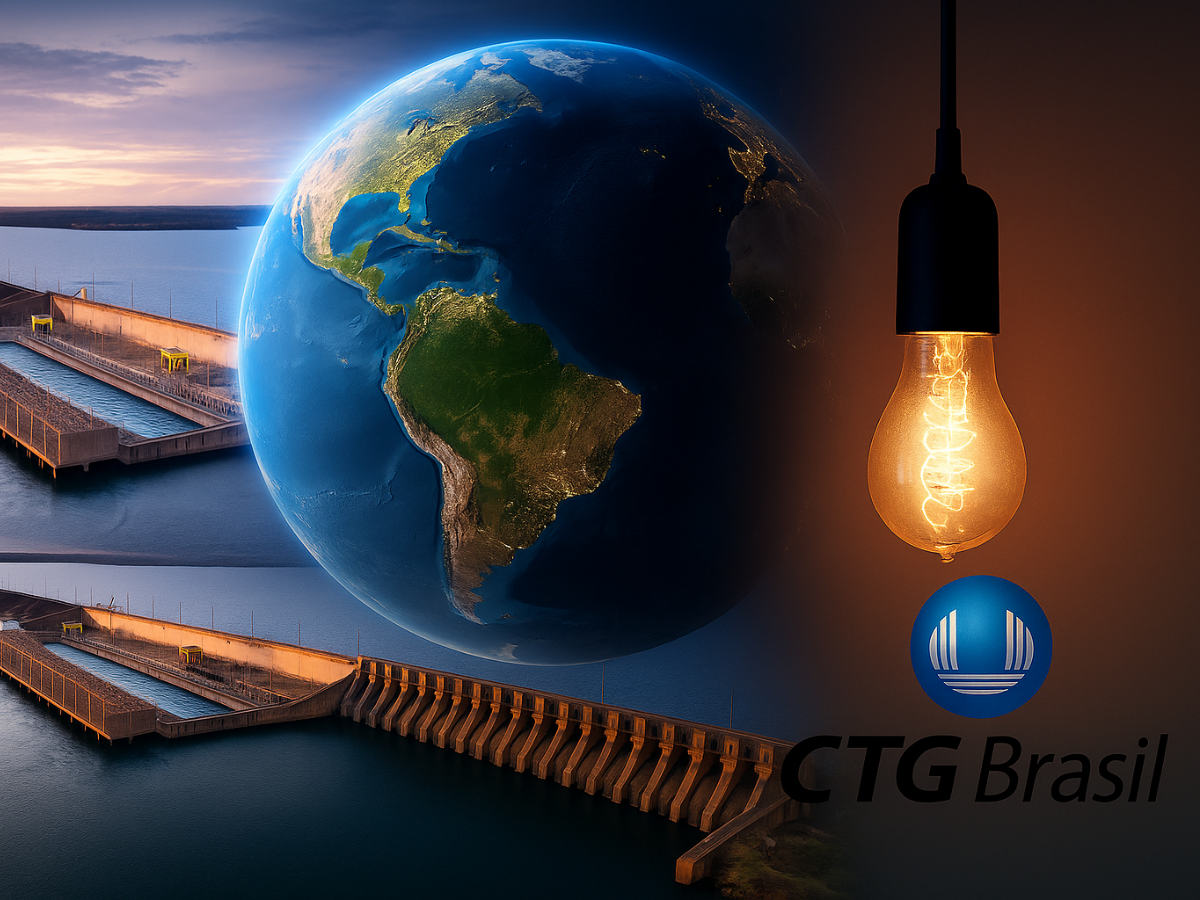

When Buying The Massive Hydroelectric Plants Of The Parana River, The Chinese State-Owned CTG Solidified As The Second Largest Private Generator In The Country, With Direct Influence On Your Electricity Bill
The Chinese CTG (China Three Gorges Corporation), through its subsidiary CTG Brasil, emerged as a new power in the national electricity sector. Its rise was marked by the strategic acquisition of the Jupiá and Ilha Solteira hydroelectric plants on the crucial Parana River. This move positioned the company as a key player in defining electricity prices in the country.
Understand how the Chinese CTG became the second largest private energy generator in Brazil. We explain how its operations can influence the triggering of the “Yellow Alert” and other tariff flags on your electricity bill.
The Brazilian Energy Scenario And The Strategic Entry Of The Chinese CTG
The Brazilian energy matrix has always had hydropower as its backbone, and the Parana River Basin is vital for this generation. In 2015, a concession auction for existing plants marked the decisive entry of CTG Brasil into the market.
-
Brazil saved US$ 32.4 billion in 2025 by switching from fossil to renewable energy and only ranked behind China and the United States on the IRENA global podium.

-
Fired during apartheid and with a little borrowed money, an electrician started with a borrowed truck and transformed electrical services into a group connected to energy, real estate, and infrastructure in South Africa.

-
Wood has ceased to be just a construction material in Yale research and has become insulation for electrical transformers that face intense heat, aging, and increasing pressure from the renewable energy-powered grid.
-
More than 1,000 residents of a remote island in Kiribati now have clean water and electricity with solar systems operated by the community itself.

The company won the auctions for the Jupiá (1,551 MW) and Ilha Solteira (3,444 MW) plants, an investment of R$ 13.8 billion.
With this acquisition, the Chinese CTG took control of the fourth largest hydroelectric complex in Brazil. This strategy quickly allowed the company to become the second largest private energy generator in the country, with a total installed capacity of 8.3 GW.
Yellow Flag, PLD And The Role Of Reservoirs
To understand CTG’s influence, one must know how the price of electricity is formed in Brazil.
Tariff Flags: Created by ANEEL, the flag system (green, yellow, and red) signals the actual cost of generation. The yellow flag, or “Yellow Alert”, indicates less favorable generation conditions and adds a cost to the electricity bill (e.g., R$ 1.885 for every 100 kWh).
Settlement Price of Differences (PLD): Is the price of electricity in the short-term market. It is influenced by supply (reservoir levels, availability of plants) and demand.
Parana River Reservoirs: The Parana River basin, where CTG’s plants are located, holds about 70% of the water storage capacity of the National Interconnected System (SIN). The levels of these reservoirs are crucial for determining the need to use thermoelectric plants, which are more expensive and raise electricity costs.
How The Chinese CTG Influences The Yellow Alert And The Price On Your Electricity Bill
The influence of the Chinese CTG on price definition is not direct, but structural. By controlling nearly 5 GW of hydropower capacity in the strategic Parana Basin, the company’s operational decisions on whether to generate electricity or store water in its reservoirs have a significant impact on the total supply of hydropower in the system.
When large operators like CTG reduce their hydropower generation, the system needs to trigger more expensive thermoelectric plants.
This increase in generation cost is what leads the government to activate the Yellow or Red Flag, passing the additional cost directly to your electricity bill.
Therefore, the management of the reservoirs by the Chinese CTG is a key factor that can directly influence the price of electricity for the end consumer.
The Outlook For 2025 And The Implications Of The Growing Presence Of The Chinese CTG
The influence of the Chinese CTG on electricity pricing in Brazil is expected to solidify by 2025. The company is investing R$ 3 billion in the modernization of the Jupiá and Ilha Solteira plants, which may increase its efficiency and operational flexibility.
In an electrical system with more and more intermittent sources (wind and solar), the responsiveness of large hydropower plants becomes even more valuable.
The growing presence of the Chinese CTG and other foreign state-owned companies in the Brazilian energy sector raises a debate about sovereignty and energy security.
While they bring crucial investments, the concentration of strategic assets in foreign hands demands strong and adaptive regulation by the Brazilian government to ensure that national and consumer interests are always prioritized.
The Chinese CTG As A Central Actor In The Energy Future Of Brazil
The rise of the Chinese CTG as the second largest private energy generator in Brazil is a settled fact. Its influence on price definition, mediated by the tariff flag system and the PLD, is a structural reality due to the control of hydropower assets of systemic importance.
The challenge for Brazil is to balance the benefits of foreign investment, such as the modernization of plants, with the need to ensure a fair, competitive market that protects consumers.
The trajectory of the Chinese CTG is a clear example of the ongoing transformations in the energy sector, where capital, technology, and geopolitics intersect to shape the future of energy in the country.