






 Portuguese
  Spanish





Directly Linked to Food Production in the Field, CRAs and LCAs Are Still Exempt from Income Tax for Individuals, but the Government Proposed a 5% Rate on New Issuances Starting Next Year
Investors with only R$ 1,000 can already access fixed income securities linked to agribusiness, such as CRAs and LCAs, which remain exempt from income tax for individuals until the end of 2025. However, a new government proposal aims to tax these assets starting in 2026, creating a golden opportunity for those who wish to invest with tax advantages before the change.


Agribusiness represents almost 25% of Brazil’s GDP and is directly linked to food production, exports, and job creation in the field. Those who choose to invest in agribusiness are directly financing producers, cooperatives, and production chains. The good news is that it is possible to enter this market with minimum investments of one thousand reais in products like CRA (Agribusiness Receivables Certificate) Agribusiness) and LCA (Agribusiness Credit Letter).
In addition to being fixed income, these securities offer exemption from income tax and IOF (for now), making them highly sought after by investors looking for security, predictability, and above-average returns. The exemption applies only to individuals and to issuances made until the end of 2025.
-
Brazilian Farmers with Basic Education Create Backyard Machines That Win National Invention Contest, Beating 242 Projects

-
Brazilian Farm Innovates with Cage-Free Chickens, Producing 3,300 Odorless Eggs Daily

-
From Selling Unsold Saplings to Creating Brazil’s Most Awarded Olive Oil Brand with 330 Accolades and a $12 Million Goal by 2026
-
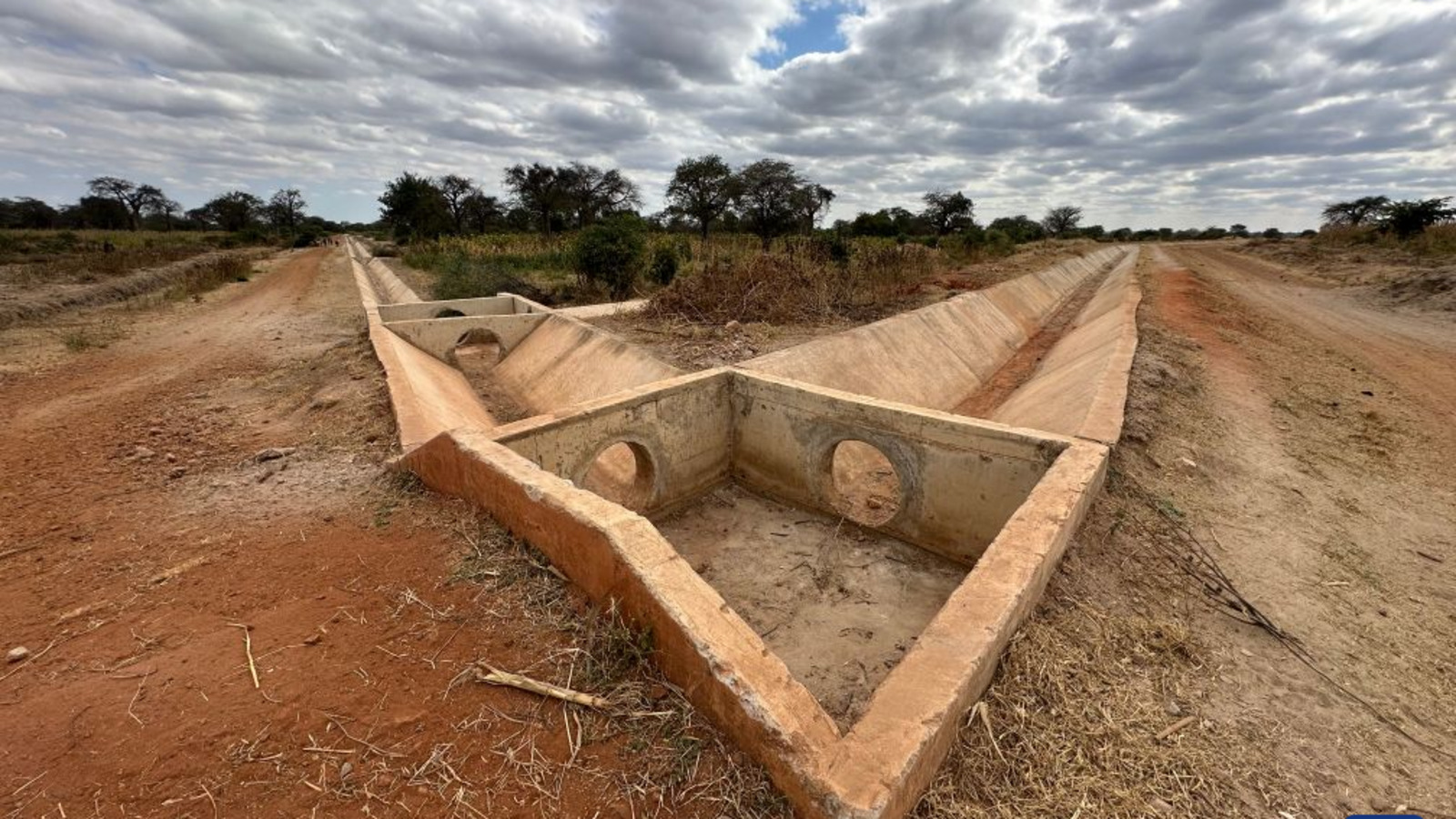
China Builds 400-Hectare Irrigation System in Tanzania to Aid 1,000 Families Dependent on Rainfall


Government Proposal Aims to Tax New Securities Starting in 2026
The Ministry of Finance announced that it intends to tax at 5% the returns of LCAs, LCIs, CRIs, CRAs, and incentivized debentures on new issuances starting in 2026. The current stock will remain exempt. The measure, according to government technicians, aims to correct distortions in the fixed income market.
However, the announcement raised political concerns: President Lula’s team fears losing support among middle-class investors and within the rural production sector, which sees taxation as a potential obstacle to the availability of agricultural credit in the country.
With the possible change, investors are preemptively investing to secure permanent tax exemption on the securities acquired still in 2025. It is a quiet rush that may benefit those who act quickly.
How CRAs and LCAs Work and Why They Are Trending
The CRA is a private security issued by securitizers that transforms debts from the agricultural sector into negotiable financial assets. The LCA, on the other hand, is issued by banks, aiming to raise funds to finance rural producers and cooperatives.
Both are directly linked to agricultural activity, meaning the invested money reaches the end of the system: tractors, warehouses, silos, irrigation, inputs, and rural labor. The main difference lies in the risk: the CRA does not have FGC coverage, while the LCA is covered up to R$ 250 thousand.
In 2025, the most sought-after options are fixed-rate CRAs, with fixed returns in the contract, and hybrid securities indexed to the IPCA, ideal for protecting purchasing power in times of high inflation.
Where to Invest in Agribusiness and What Precautions to Take
To invest in agribusiness with just R$ 1,000, simply open an account with a brokerage like XP, BTG, or NuInvest, or use your bank’s own application. The process is simple: the investor chooses the desired security, checks the rate, maturity, and makes the purchase.
But it is important to be aware: CRAs do not have immediate liquidity, and selling before maturity can lead to a loss in value. They are also not protected by the FGC, which requires attention to the credit quality of the debtor company and the rating of the security.
The LCA, on the other hand, usually has shorter terms and, being a bank security, has FGC protection. It is ideal for more conservative profiles and can be the gateway to the world of rural investments.










Olá, boa tarde eu desejaria sobre à rentabilidade, não posso mexer no dinheiro, por quanto tempo obrigado pela informação.