Portuguese
  Spanish


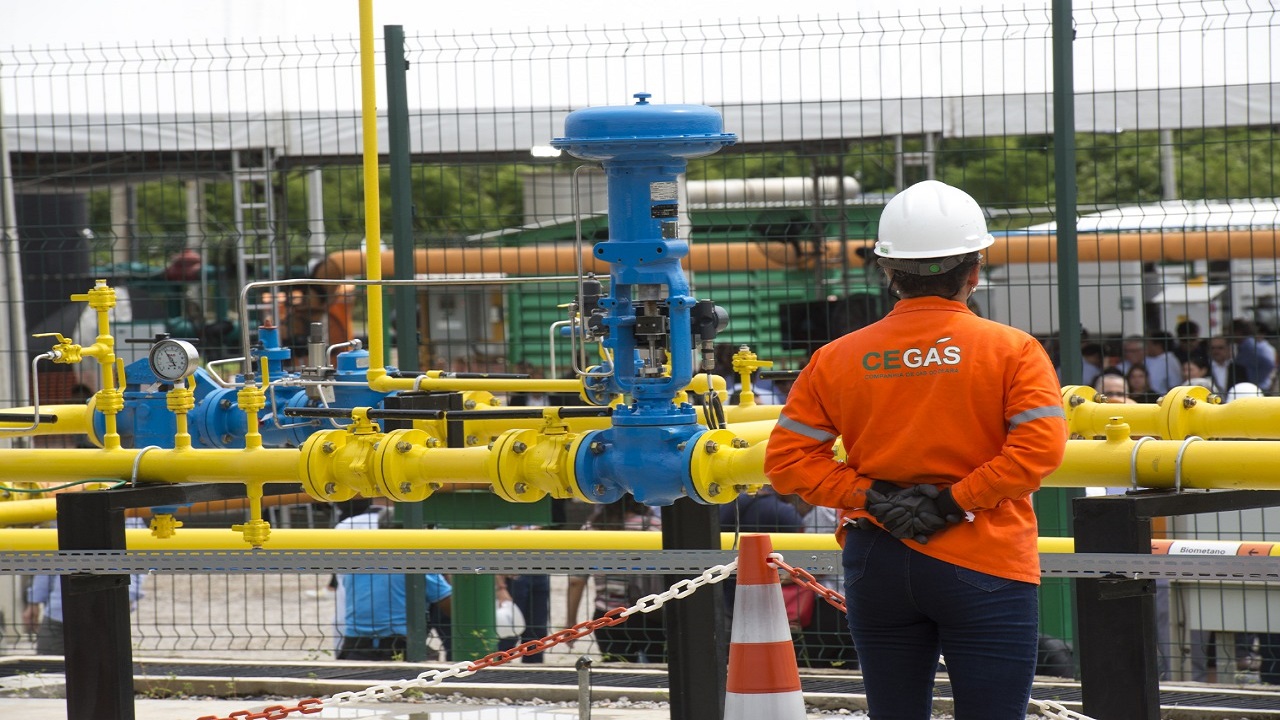

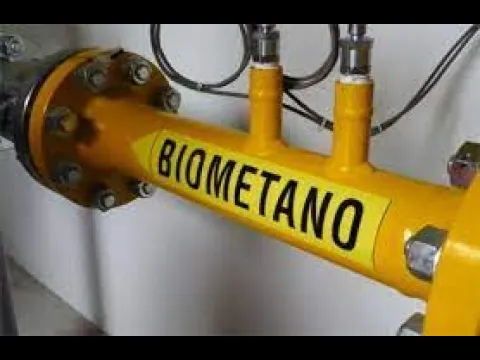
Cegás, which operates in Ceará, studies the feasibility of producing green hydrogen from biogas. According to the company, it is possible that every 5 m³ of biogas will produce 1 kg of hydrogen, depending on the technology used in the process.
The Ceará Gas Company (Cegás) is exploring the possibility of using biogas for the production of clean hydrogen. The company distributes 90,000 m³ per day of biogas, produced at the Caucaia landfill by GNR Fortaleza, and intends to expand this volume, which currently represents 15% of the total distributed.
Read Also
Cegás President Speaks
According to Hugo Figueirêdo, president of Cegás, the company aims to remain at the forefront of green hydrogen injection into the distribution network, just as it did with biogas in 2017.
Ceará is competing in the race for hydrogen market development in Brazil, with the installation of an H2V hub at the Pecém port. So far, all projects are primarily focused on the export of produced hydrogen, taking advantage of the existing connection between Pecém and the Port of Rotterdam. Four companies are already interested in the Ceará port hub, in addition to others that are in the negotiation queue.
-
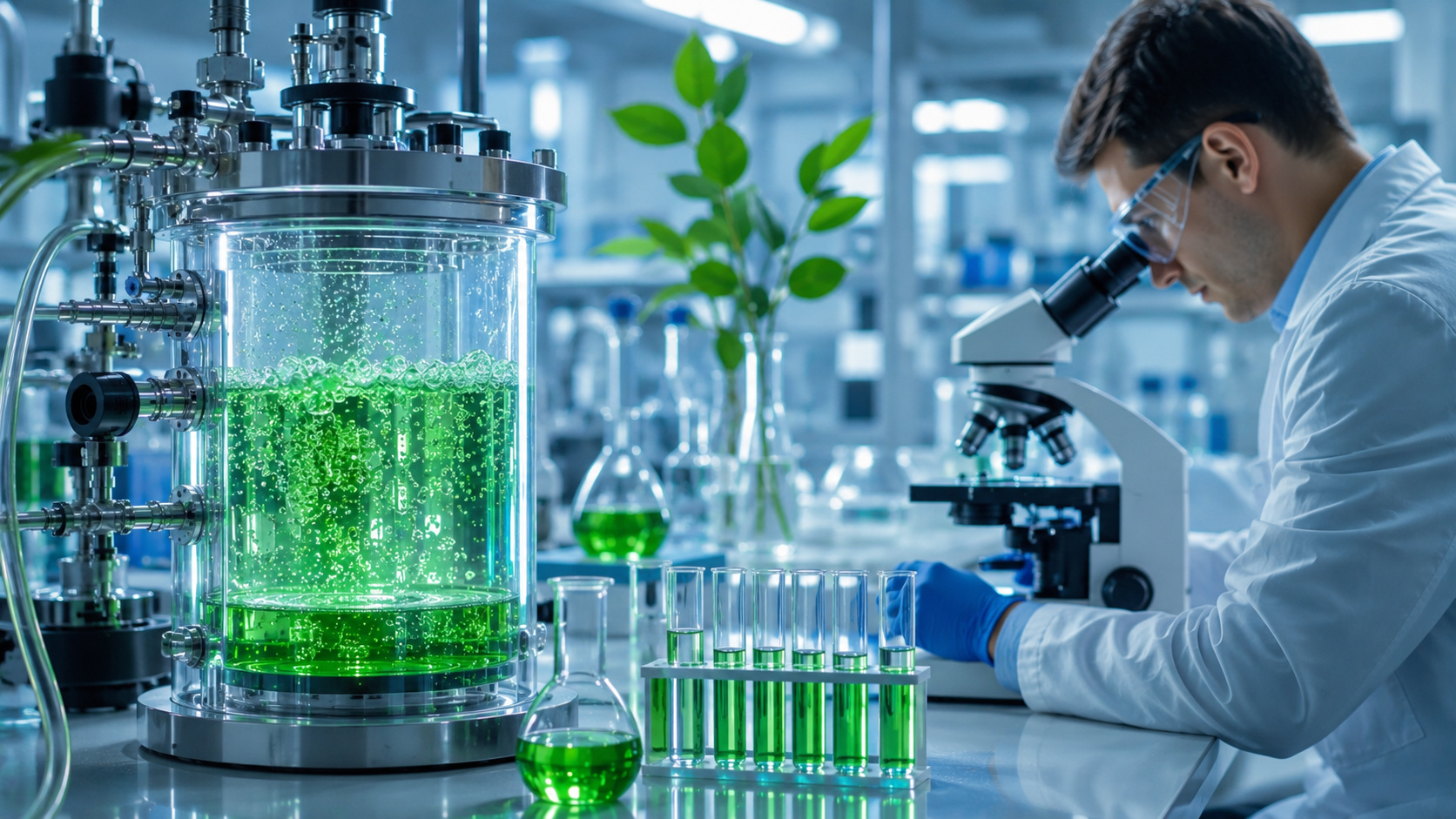
Brazilian scientists are simultaneously advancing two research projects on clean hydrogen and driving solutions that could transform the energy matrix, enhance industrial competitiveness, and accelerate large-scale emission reduction targets.

-
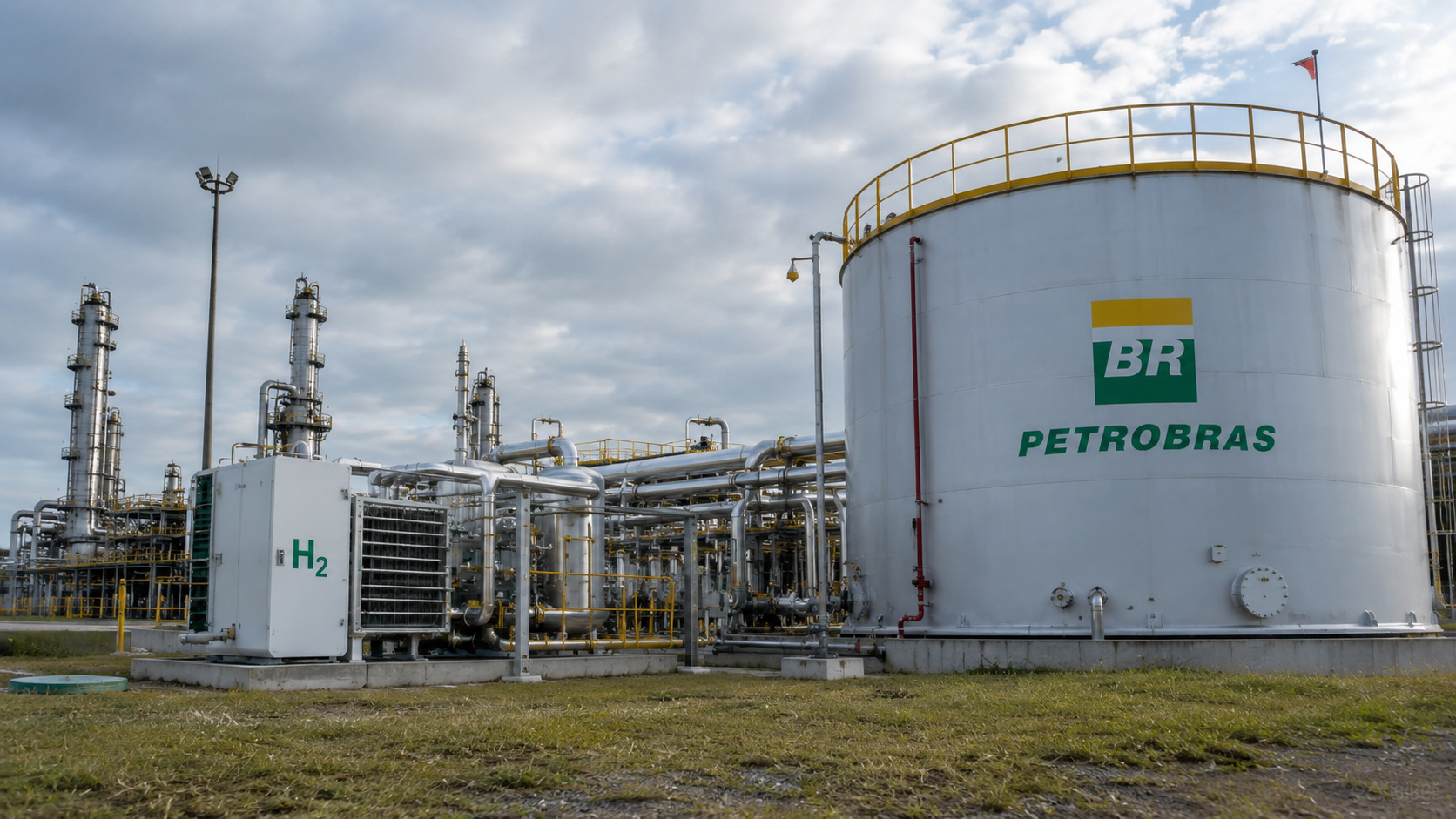
Advancement in renewable energy: A R$ 150 million project launched by Petrobras and Finep aims to create state-of-the-art electrolyzers for green hydrogen, strengthening national research and preparing Brazil to compete in a billion-dollar energy market.
-
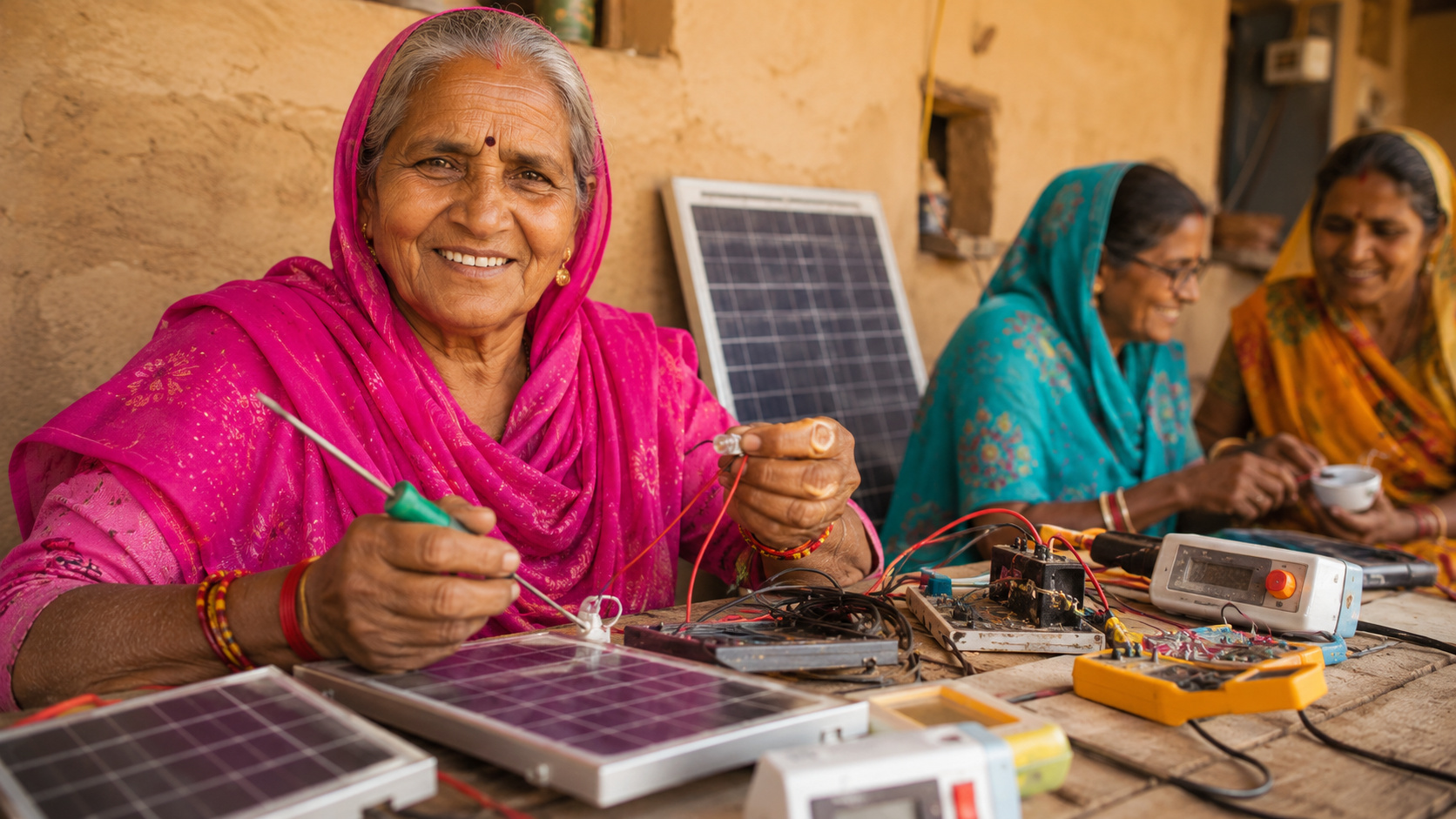
Illiterate or semi-literate grandmothers were trained to repair solar systems, open rural workshops, and light up homes that still depended on kerosene.
-
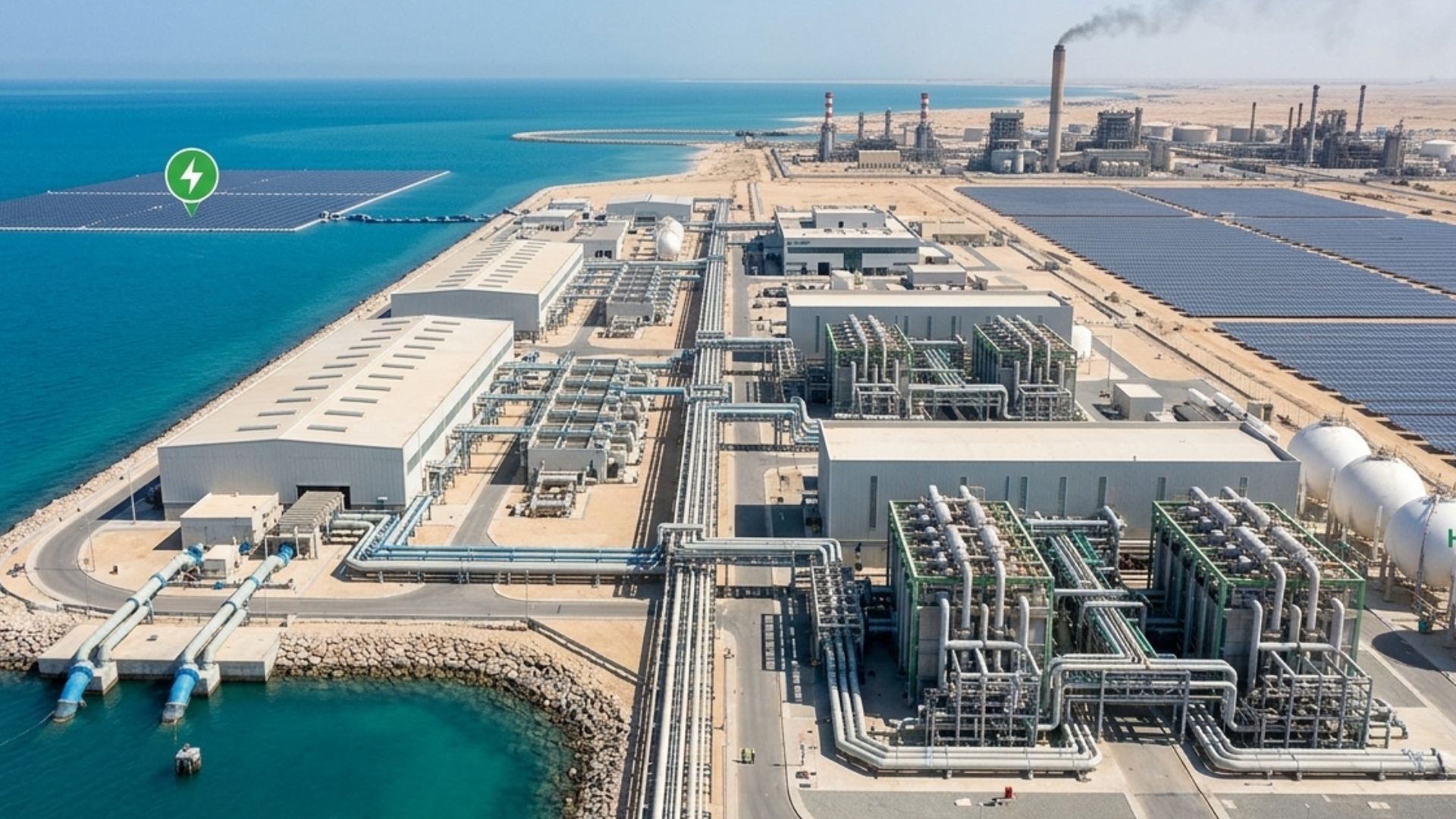
The world has bet on green hydrogen as the fuel of the future, but now faces the side effect: producing 1 kilogram requires about 9 liters of ultrapure water, and the largest projects on the planet are precisely in the driest regions of the Earth, where water is already scarce for people.

Cegás is Already Studying the Feasibility of Hydrogen Injection

Hugo imagines that in the future, it will be possible to have hydrogen and biogas in the network. Just as we currently transport natural gas from the pre-salt to the state, the reverse could happen with green hydrogen.
The Ceará company is already progressing with the feasibility studies for injecting the new energy source into the network. Currently, Cegás is selecting researchers and companies that wish to collaborate on the project. Even hydrogen producers are in dialogue with Cegás to develop a pilot project.
Currently, Cegás has steel, polyethylene, and high-density polyamide networks. It is necessary to observe how these materials behave, in addition to making the fine adjustments required in network equipment. The president also emphasizes that even though there are experiences in the United States and Europe, it is essential to see how they adapt to the location, which also includes considering the effect of H2V on consumer equipment.
ProQR Project Promoting Sustainability
The ProQR is being developed in Ceará for the implementation of a green refinery for the production of aviation biofuel. The use of biomass hydrogen will allow the manufacture of fuels for aviation in remote locations.
The ProQR is a Federal Government program, through MCTIC, in partnership with the government of Germany, aimed at encouraging alternative projects for aviation that do not degrade the environment. According to Hugo, regulation is certainly one of the biggest bottlenecks, as it is not simply about creating regulations to define the characteristics of clean hydrogen, but the mixture with natural gas itself.
In addition, production units must be certified, a step that comes after regulation. Despite this, the Cegás president asserts that the experience with biogas can contribute to this process. The executive highlights that he knows which steps need to be taken and states that the experience with biogas will help the environment as a whole.
Regarding green hydrogen production through biogas, the president states that depending on the technology, each 4 or 5 cubic meters of gas produces 1 kg of hydrogen.

Graduated in Journalism and Marketing, he is the author of over 20,000 articles that have reached millions of readers in Brazil and abroad. He has written for brands and media outlets such as 99, Natura, O Boticário, CPG – Click Petróleo e Gás, Agência Raccon, among others. A specialist in the Automotive Industry, Technology, Careers (employability and courses), Economy, and other topics. For contact and editorial suggestions: valdemarmedeiros4@gmail.com. We do not accept resumes!