






 Portuguese
  Spanish
 5 min of reading
  0 comments


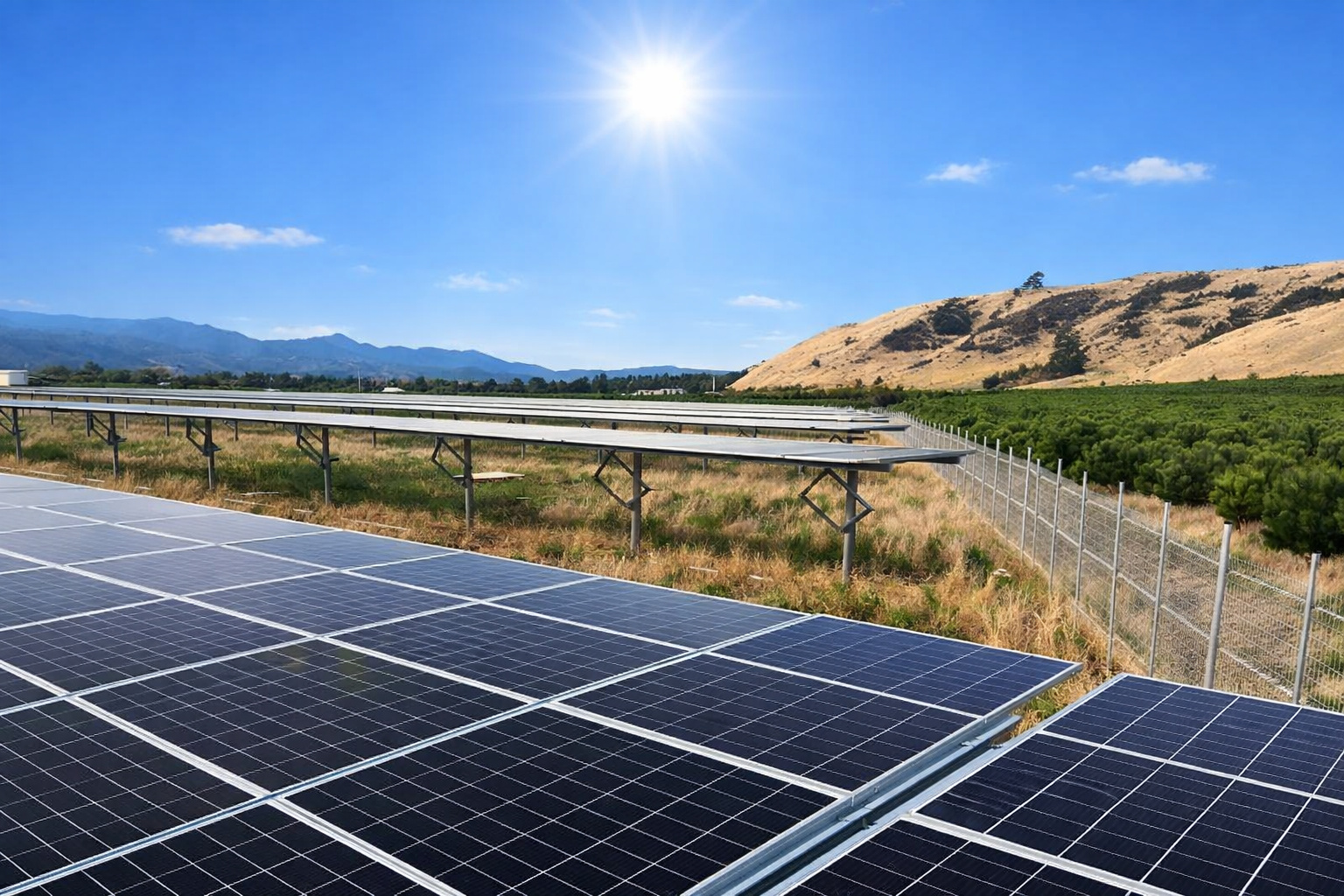
Discover How the Kroma Energy Solar Complex Strengthens the Electricity Matrix of Ceará by Expanding the Generation of Clean, Renewable, and Sustainable Energy on a Large Scale in Northeast Brazil.
The Kroma Energy Solar Complex, first and foremost, represents a concrete advancement in the expansion of renewable sources in Brazil. In addition, located in the municipality of Jaguaruana, Ceará, the project symbolizes the definitive consolidation of solar energy as one of the pillars of the national electricity matrix.
With the start of operations, therefore, the project increases the country’s capacity to produce clean energy on a large scale. At the same time, it strengthens energy security and reduces greenhouse gas emissions, aspects that are increasingly relevant in Brazilian energy planning.
In this sense, large-scale solar projects indicate a structural change in the country’s energy planning. As new complexes go into operation, the diversification of sources increases, and consequently, the risks associated with dependence on a single generation model decrease.
-
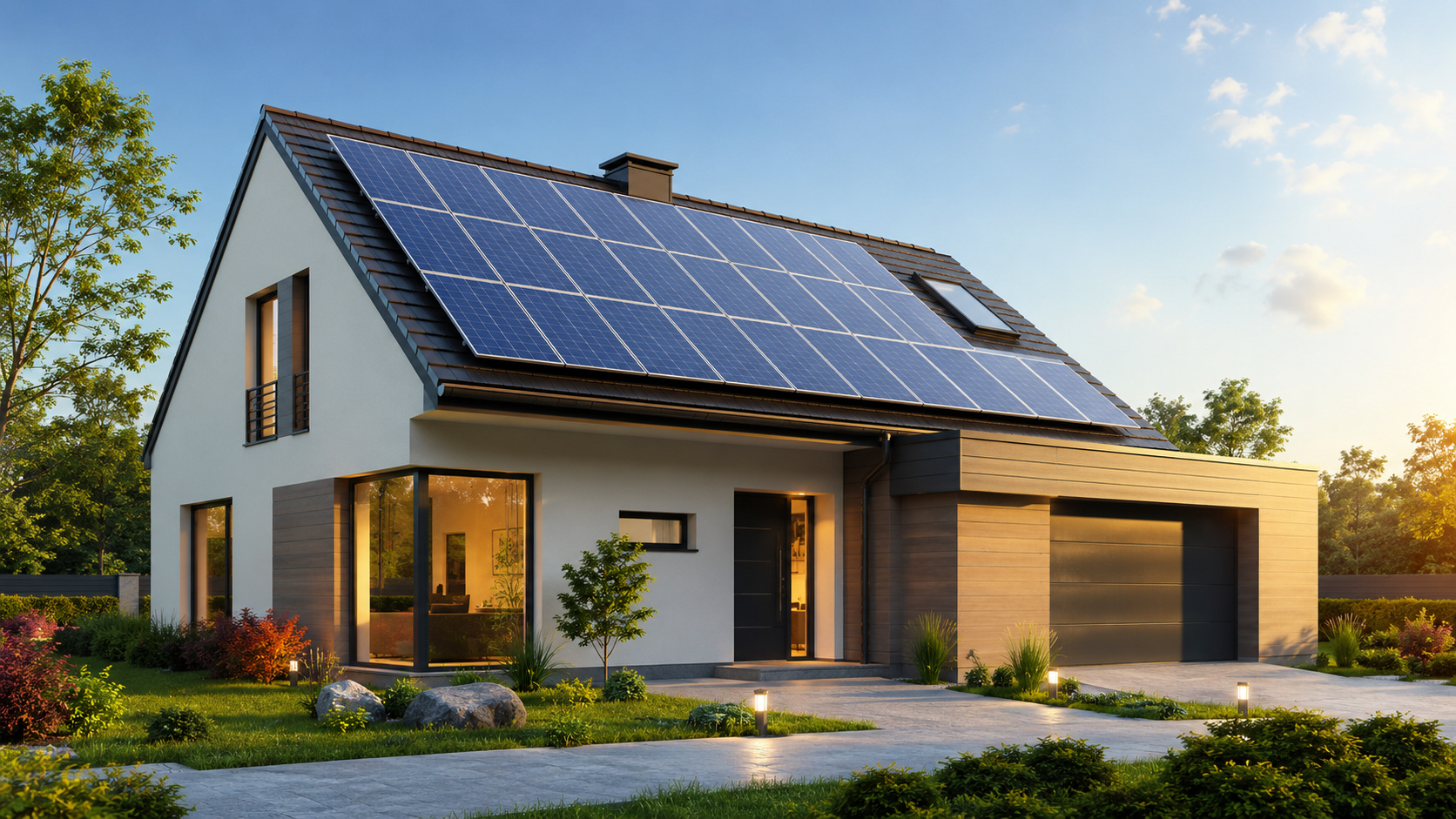
Solar energy can increase property value by up to 10% and become a selling point.

-
Solar and wind energy surpass natural gas for the first time in the world and accelerate energy revolution

-
Africa has about 500,000 cell towers and most still burn diesel to operate, while companies rush to cover antennas with solar energy and avoid signal blackouts.
-
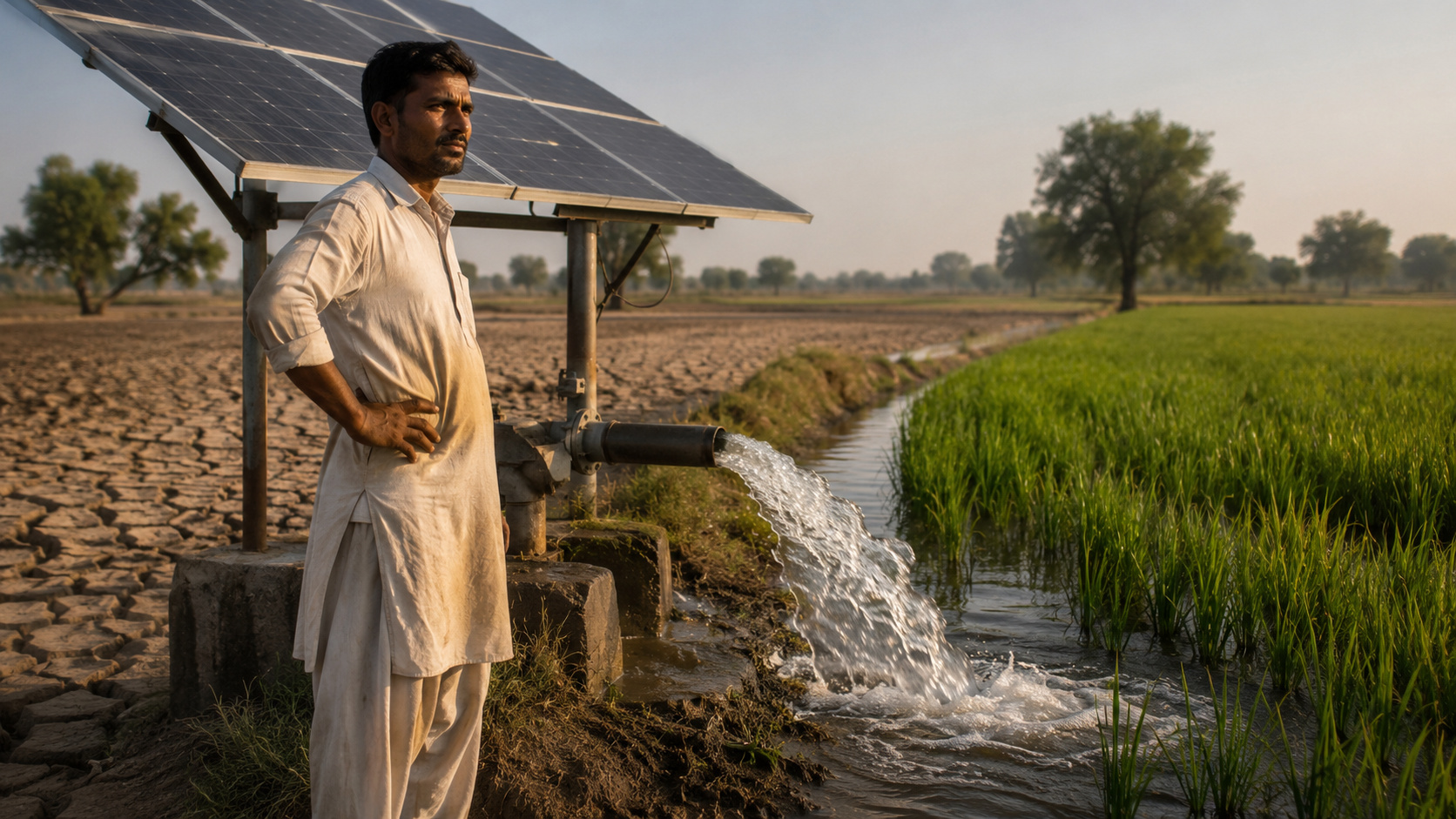
Farmers swapped diesel for solar panels in Pakistan, powered irrigation pumps almost cost-free, expanded rice fields, and now groundwater has become a red alert in the countryside.


Thus, the Kroma Energy Solar Complex assumes a strategic role by combining renewable generation, operational predictability, and long-term environmental benefits.
Historically, the trajectory of solar energy in Brazil is still recent compared to hydropower. For decades, for example, the country sustained its electricity system primarily on large reservoirs, leveraging the extensive hydropower potential available.
However, over time, extreme weather events, prolonged drought periods, and continuously growing consumption forced Brazil to seek energy alternatives.
In light of this scenario, photovoltaic solar energy has consistently gained ground. On one hand, the decline in technological costs has facilitated access to technology.
On the other hand, the expansion of credit and the strengthening of public policies have stimulated the diversification of the electricity matrix, thus creating a favorable environment for robust, long-term investments.
The Consolidation of Solar Energy in Northeast Brazil
In this broader context, the Kroma Energy Solar Complex emerges as a direct reflection of the maturity of the solar sector in Brazil. With an installed capacity of 200 megawatts, the complex brings together four photovoltaic plants that, together, significantly increase the supply of renewable energy in the Northeast.
This region is recognized for its high levels of solar irradiation throughout the year, a factor that directly contributes to the efficiency and predictability of generation.
Moreover, the choice of Ceará reinforces this strategy. The state has favorable climatic conditions, availability of suitable areas, and consolidated experience in integrating renewable sources into the electricity system.
For this reason, the Northeast has become a natural hub for the expansion of solar energy on an industrial scale.
At the same time, the National Electric Energy Agency (Aneel) authorized the start of test operations for the project, an essential step to ensure safety and efficiency. During this process, technical adjustments are made, validating the performance of the units before full commercial operation.
In the specific case of the Kroma Energy Solar Complex, 748 generating units are expected to produce about 537 gigawatt-hours per year. Thus, the project can serve thousands of households.
Additionally, it supplies commercial and industrial establishments, directly contributing to the regional energy supply.
Impacts of the Kroma Energy Solar Complex on the Electricity Matrix
The energy generated by the complex, in turn, reduces dependence on more expensive or polluting sources, especially during peak demand periods. In this way, the Kroma Energy Solar Complex plays a relevant role in balancing supply and consumption.
This impact becomes even more evident in hot climate regions, where the use of cooling systems increases throughout the day.
Moreover, the predictability of solar generation during certain times of the year favors the planning of the electricity system. Consequently, this characteristic decreases the need to activate thermal plants in emergency situations.
As a result, the system reduces operational costs and environmental impacts associated with fossil generation.
At the same time, Ceará has historically stood out as a protagonist in Brazil’s energy transition. Initially, the state led the expansion of wind energy.
Subsequently, it began to direct consistent investments towards solar energy, leveraging favorable natural conditions and a constantly evolving electrical infrastructure.
With the arrival of large-scale solar projects, therefore, the state strengthens this protagonism. At the same time, it solidifies its position as a national reference in clean and sustainable energy.
Historical Evolution of Solar Energy in Brazil
Over the past decade, solar energy has undergone a profound transformation in Brazil. Initially, for example, the market viewed the technology as expensive and restricted to small isolated systems.
As a result, the source had low participation in the national electricity matrix.
However, with the technological advancements, production at scale, and the reduction of equipment prices, solar energy became competitive. Moreover, clearer regulatory frameworks encouraged large investors to bet on the sector.
Today, as a result, solar plants with hundreds of megawatts are already integrated into the Brazilian electricity system.
In this new context, the Kroma Energy Solar Complex exemplifies the consolidation of large-scale photovoltaic generation. At the same time, the project strengthens market confidence.
Consequently, it stimulates new investments in different regions of the country.
Centralized Generation, Sustainability, and Energy Security
In addition to centralized generation, solar energy has driven the growth of distributed generation, allowing consumers to produce part of their own electricity. Even though the Kroma Energy Solar Complex operates at a large scale, it integrates a broad energy ecosystem.
In this environment, different generation models make the electricity system more diversified and resilient.
In this sense, the operation of Kroma Energy reinforces the role of companies committed to sustainability and innovation. By investing in such a large solar complex, the company reduces pressure on traditional sources.
Additionally, it consistently increases the share of renewables in the Brazilian matrix.
Solar generation mainly occurs during the day, coinciding with peak consumption periods. As a result, this characteristic reduces the activation of more polluting and costly thermal plants.
At the same time, it contributes to the stability of the national electricity system.
Long-Term Environmental, Economic, and Regional Benefits
The estimated annual production of 537 GWh clearly demonstrates the relevance of the Kroma Energy Solar Complex for the national interconnected system. Thus, this volume of clean energy directly contributes to the reduction of carbon emissions.
This aspect is becoming increasingly valued in public policies and business strategies.
Moreover, solar plants operate for decades and ensure lasting environmental and economic benefits. Throughout its lifespan, therefore, the project will traverse different cycles in the electricity sector.
Nevertheless, it will maintain its strategic relevance in the national energy landscape.
In Jaguaruana, finally, the installation of the complex generates positive impacts that go beyond electricity production. During construction, the project stimulated the local economy and created jobs.
Subsequently, after the start of operations, the project strengthens municipal revenue and contributes to the development of regional infrastructure.
In summary, the Kroma Energy Solar Complex represents much more than a power generation project. By coming online in Ceará, the complex reinforces the Brazilian electricity matrix, drives sustainability, and confirms solar energy as one of the main foundations of the country’s energy future.







Be the first to react!