Portuguese
  Spanish


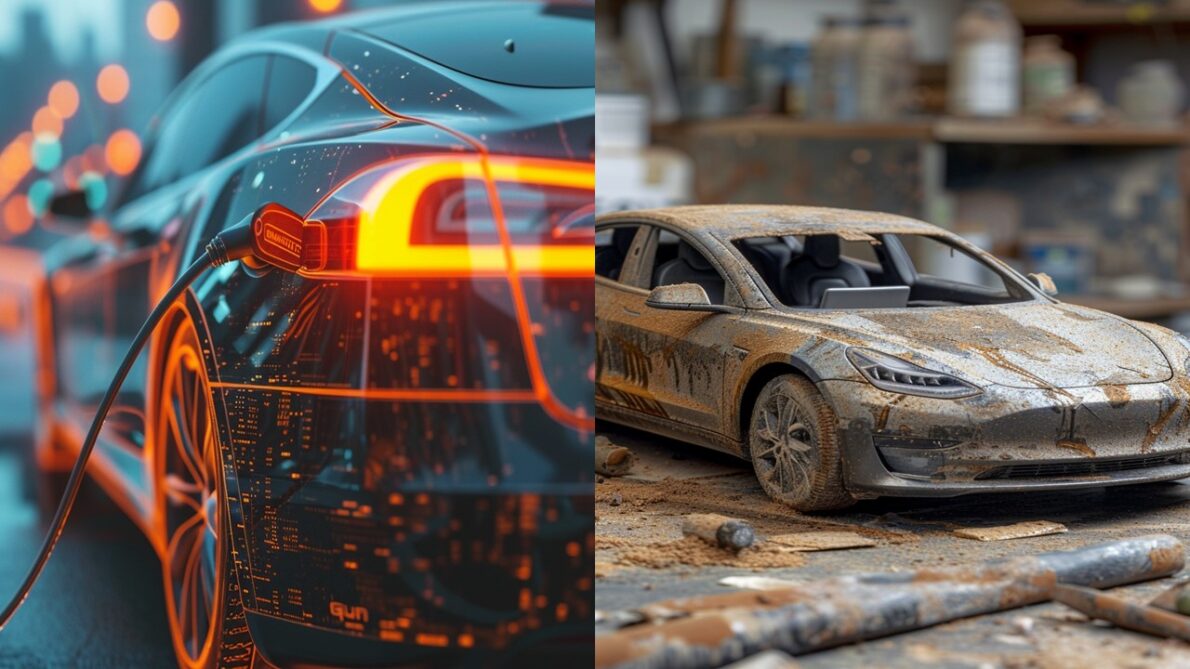

The High Cost Of Advanced Technology In Electric Cars: The Best Option Today Would Be To Invest In Hybrids?
According to mobilitychannelmocha, in an increasingly sustainability-focused world, electric cars have been the banner for an environmentally responsible future. However, this transition to automotive electrification comes with significant challenges. Prohibitive repair costs and a lack of adequate infrastructure are sending many of these innovative vehicles straight to the scrap yard, raising questions about their long-term viability.
Expensive And Complex Maintenance Of Electric Cars
Electric cars are marvels of modern engineering, but when it comes to maintenance, costs can be astronomical. The complexity of electrical systems, combined with a shortage of qualified professionals, results in repairs that often exceed the value of the vehicle itself, leading to a total loss. Moreover, the batteries, the heart of these vehicles, are extremely difficult and expensive to repair or replace.
The Issue Of Reliability
Despite advancements, electric vehicles still struggle with reliability issues. Frequent software updates are needed to keep systems operating efficiently, but this can be a hassle for owners. Furthermore, the supporting infrastructure is still under development, meaning owners often find themselves with limited options when they need assistance.
-
Sales of Brazil’s Cheapest Electric Car Halted Before First Deliveries: E-Motors Suspends Emova Easy Due to Import Tax Increase and Rising Freight Costs

-
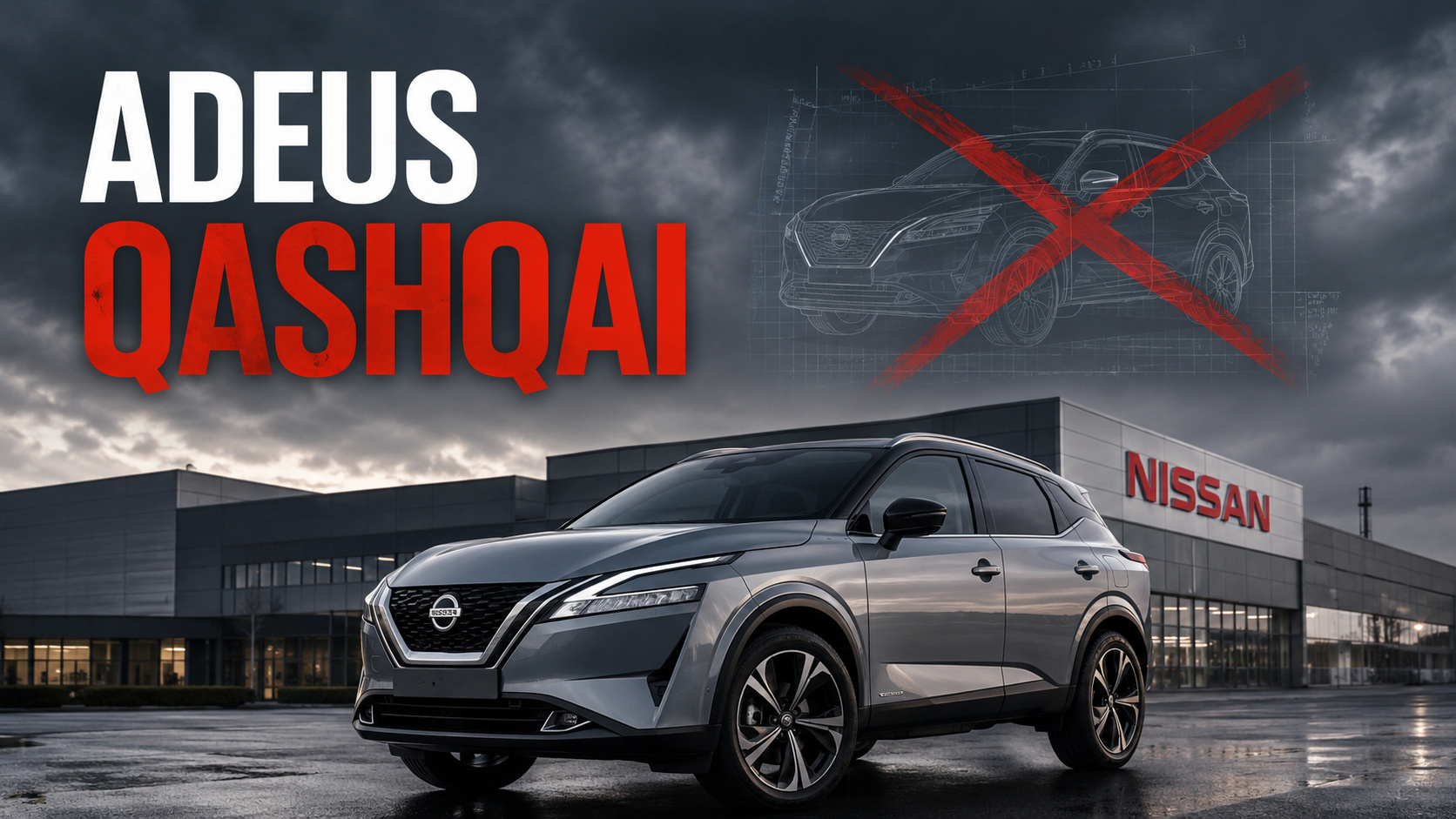
Nissan Discontinues Qashqai SUV Amid Cost-Cutting, Chinese Competition, and Product Line Review

-
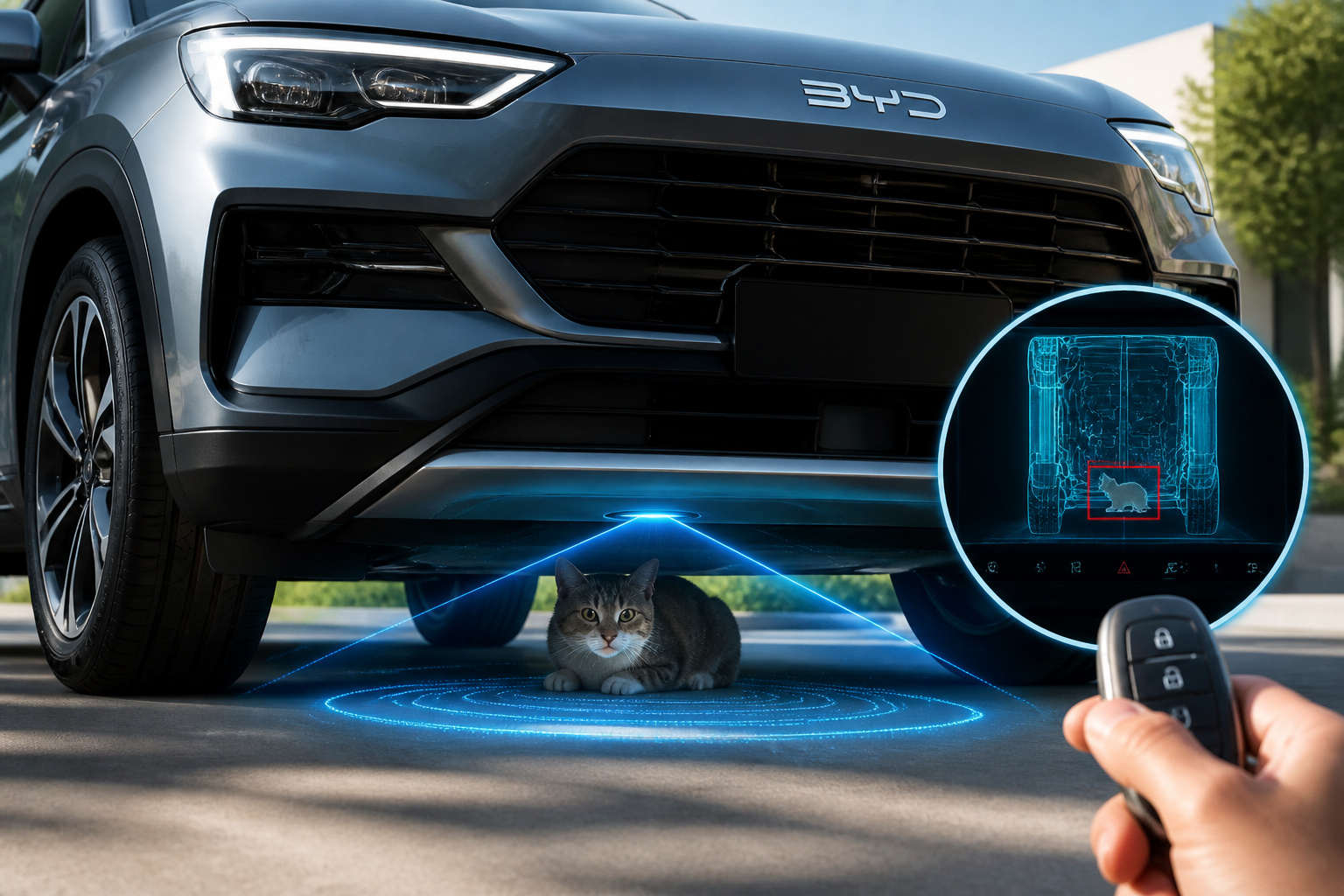
BYD Patents Revolutionary System Using Computer Vision to Detect Animals Under Cars Before Starting, Preventing Tragedies

-
Study Reveals Why Cars Are More Expensive to Produce and Buy in Brazil Compared to Mexico, Highlighting Taxes, Logistics, and Industrial Costs as Key Factors.


Software Updates: A Wheel In The Ecosystem Of Electric Cars
In the constantly evolving ecosystem of electric cars, software updates emerge as a vital component. These updates, while essential for improving efficiency and safety, can be a double-edged sword. On one hand, they keep the vehicle at the forefront of technology; on the other, they require owners to visit specialized workshops more frequently. Additionally, the need to keep electronic systems in tune with the latest updates can lead to a total loss of the vehicle if not managed properly, increasing the risk of cars ending up in the scrap yard.
Wear And Tear Of Components: Between Efficiency And Maintenance
Additionally, electric cars face a peculiar paradox: despite their energy and mechanical efficiency, the wear and tear of specific components, such as tires and suspension, is accelerated. This is partly due to the additional weight of the batteries and the instant delivery of torque. Consequently, these vehicles may end up visiting workshops more often than their combustion counterparts. In the long run, without adequate maintenance, this wear can lead to a total loss, reinforcing the cycle that drives these innovative electric cars to the scrap yard.

Hybrids Gain Ground
Meanwhile, hybrid vehicles are proving to be a more reliable and practical option. With a combination of electric and conventional technology, they offer a compromise solution that seems to be more sustainable at the moment. It is no surprise that the hybrid market is growing at a faster pace. Thus, they offer the promise of efficiency without the same financial risks associated with pure electric cars.
Therefore, while EVs represent an important step toward a greener future, there are significant obstacles that need to be overcome. High repair costs, a lack of trained professionals, and insufficient infrastructure are just some of the issues that need to be addressed. However, to ensure that these vehicles can truly fulfill their promise of cleaner and more efficient transportation.