






 Portuguese
  Spanish


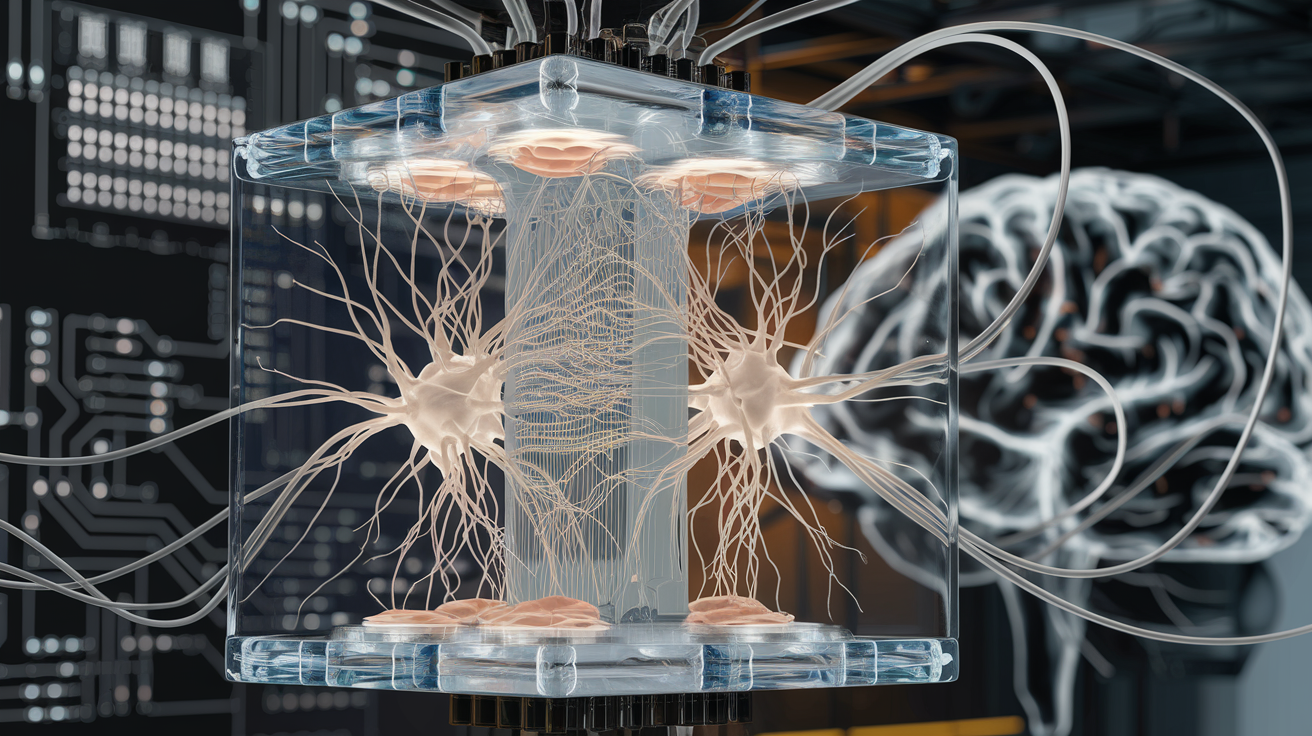


Technology Inspired by the Human Brain Advances Rapidly, Merging Living Neurons and Artificial Intelligence to Create Machines That Learn, Evolve, and Redefine Our Future. Discover How This Will Impact the World!
Imagine a future where computers not only process information like machines but learn, adapt, and evolve, just like a human brain. Does it sound like science fiction? Well, this reality is already being built with advancements in creating the biological computer, a technology that uses living neurons to achieve intelligence levels never seen before. And the best part: these innovations promise to transform not only the way we understand artificial intelligence but also how it impacts our daily lives.
What Is a Biological Computer and How Does It Work?
A biological computer is essentially a system that combines living cells with technology to process information. Unlike traditional computers that use silicon chips and consume enormous amounts of energy, this approach is inspired by how the human brain operates.
To give you an idea, the brain is capable of performing an exaflop of operations (one quintillion!) per second using only 20 watts of energy. In comparison, today’s artificial intelligence systems require an outrageous amount of energy to achieve something far less efficient.
-
Apple Raises MacBook and iPad Prices as Memory Costs Surge by Up to 98%, Losing Edge Over Rivals and Highlighting AI Boom’s Impact on Consumers

-
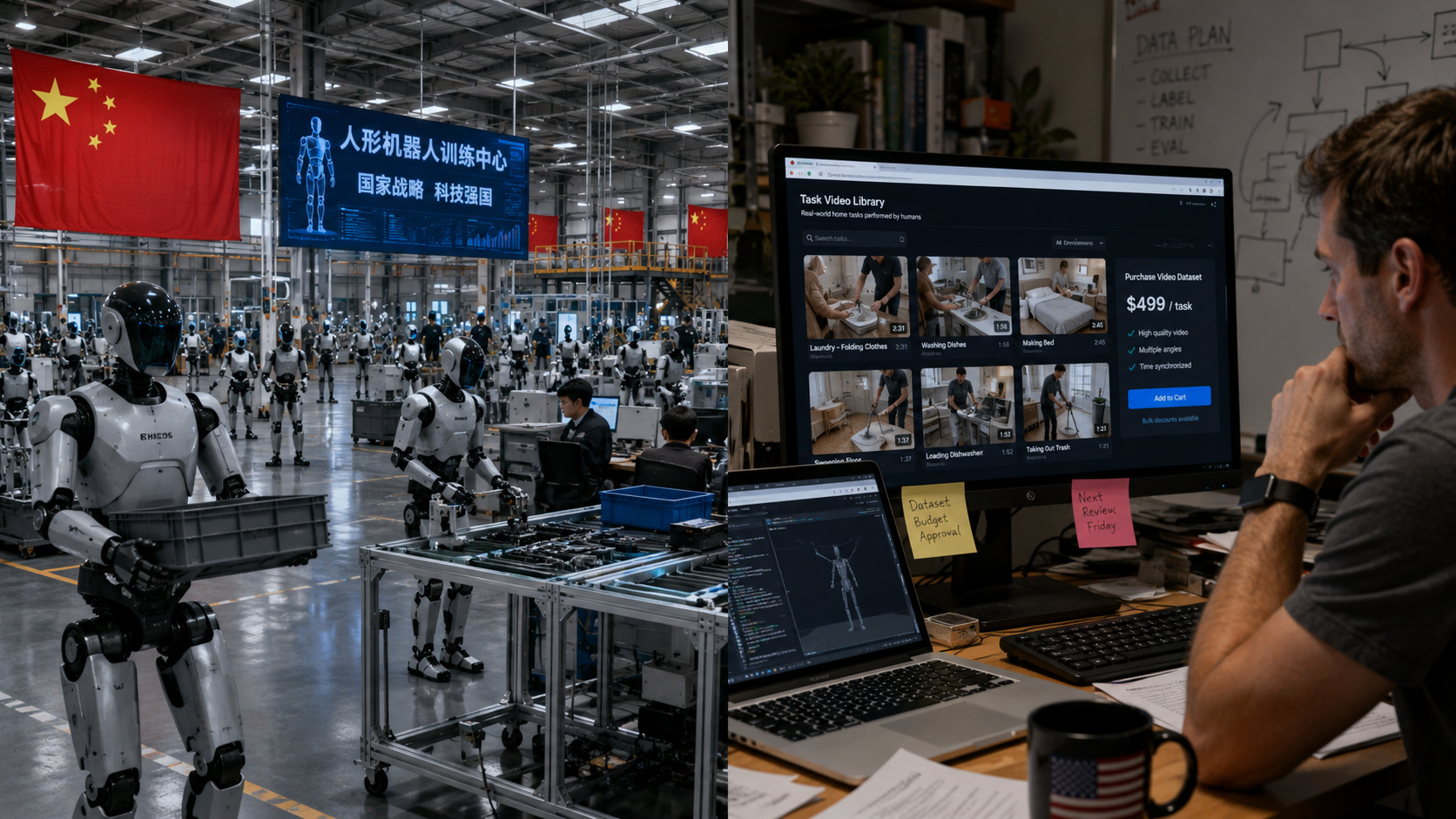
China Establishes State Centers to Train Humanoid Robots, While the West Lags Behind with Makeshift Solutions
-
The Trap of Modern Technology: How Screen Overload and Digital Connections Can Impact Your Mental Health and Well-being
-
Wyoming Couple Grows Tropical Fruits Year-Round in -40°C Using Geothermal Greenhouse, Demonstrating Earth’s Heat Can Produce Oranges and Lemons in Snow Without Traditional Heating




With projects like DishBrain, developed by the startup Cortical Labs, researchers are connecting living neurons to computational systems. These neurons learn to perform simple tasks, such as playing the classic game Pong, using a high-bandwidth interface that connects the cells directly to computers.


How Living Neurons Transform Artificial Intelligence
What makes living neurons so revolutionary is their ability to learn and adapt autonomously. While traditional AI systems rely on pre-programmed algorithms, neurons can organize themselves independently.
In the case of DishBrain, researchers created an interface where the cells received stimuli to control a paddle in the game Pong. With each error made, they received “punishments” with unpredictable signals, something they naturally avoid. In just five minutes, these cells began hitting the ball, showing a rudimentary form of learning.
This approach has applications far beyond games. Imagine a future where biological computers can learn and adapt to complex problems in real-time, using much less energy and offering more creativity and intuition than current artificial systems.
Ethics and the Challenges of Computing with Living Neurons
Although the advancements in creating a biological computer are exciting, they also raise ethical questions. After all, we are talking about systems that utilize living cells. Can these technologies be explored without crossing ethical boundaries?
Fortunately, projects like DishBrain use cells grown in the lab, without causing suffering to humans or animals. This makes the process more ethical and sustainable, as well as opening doors to incredible applications, such as models for neurological research and drug testing.
Speaking of medicine, DishBrain is already being used as a kind of “mini-brain in a lab.” It can be a powerful tool for studying neurological diseases, testing new drugs, and even better understanding how the human brain works.
What Is the Principle of Free Energy and Why Does It Matter?
Another important concept behind biological computing is the principle of free energy, introduced by neuroscientist Karl Friston. This principle explains how the brain makes predictions about the world around it based on internal models. In other words, our brain constantly creates hypotheses about what we are perceiving and adjusts those hypotheses as it receives new information.
This same mechanism is being applied in living neuron-based artificial intelligence systems. Just like the human brain, these systems learn to minimize uncertainties and make the world more predictable, which could lead to a leap in how we understand and use artificial intelligence.
Why Biological Computing May Surpass Silicon Chips?
Currently, AI and conventional computers depend on heavy, expensive hardware and consume a lot of energy. Biological computers, on the other hand, have several advantages:
- Energy Efficiency: They consume much less energy than silicon-based systems;
- Self-Learning: Like the human brain, they can learn and adapt without the need for constant reprogramming;
- Greater Creativity and Intuition: Based on organic neural networks, these systems can provide insights closer to human thinking.
These characteristics make biological computers a promising alternative to overcome the limitations of traditional computing and achieve more advanced levels of intelligence.
More Organic and Adaptable Artificial Intelligence
With the advancement of biological computers and the use of living neurons, artificial intelligence is becoming increasingly similar to biology. This opens up incredible possibilities for technology, from smarter and more efficient systems to new methods for understanding the human brain.
As Dr. Adeel Razi from Monash University stated, “We are just scratching the surface of what is possible. These mini-brains give us a glimpse of how we can harness biological intelligence to transform technology, health, and society as a whole.”
The future of computing, it seems, will be less about machines trying to mimic the brain and more about real brains teaching machines. And you, are you ready for this revolution?





Agora lascou, início do fim
A IA chinesa, DeepSeek, performa tão bem quanto o GPT, consumindo 98% menos energia. Transformar pessoas em robôs(andróides) seria um novo tipo de escravidão.
O problema é, quem é que vai controlar as IA?, Sendo que elas poderão processar TRILHÕES de informações simultaneamente. Existem planetas neste Universo, e tb em outros Universos, que são totalmente controlados por Inteligências Artificiais.
Fiquem espertos!, … ou!