Portuguese
  Spanish



President Bolsonaro Would Have “Leaked” The Gasoline Price Reduction At The Refinery. Initially Denied, Petrobras Confirms Reduction Today
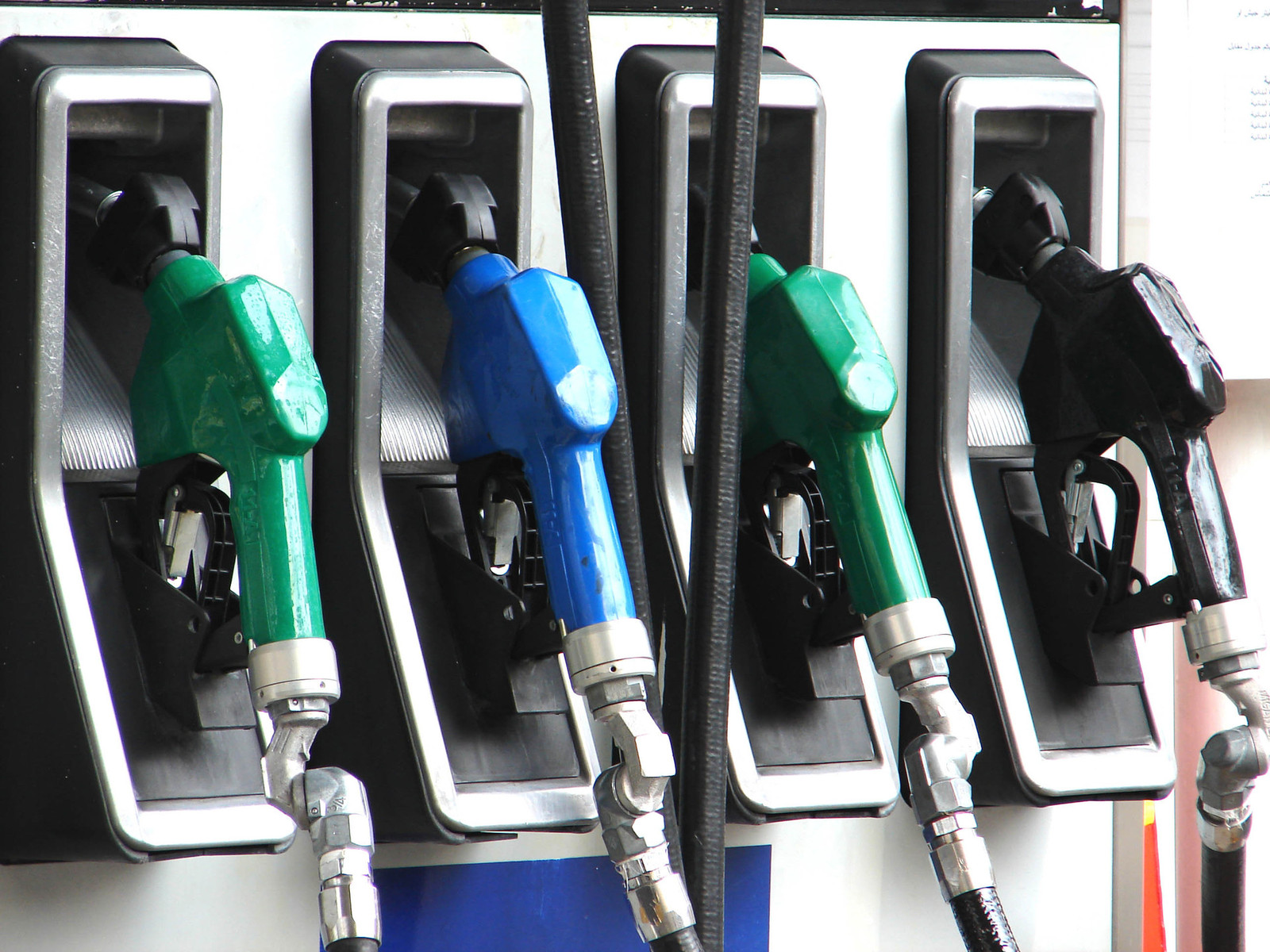
As announced on the 5th by President Jair Bolsonaro, Petrobras announced this Tuesday (12/14) a reduction in the average sale price of gasoline at the refinery for distributors, from R$3.19 to R$3.09, a reduction of 10 cents, which translates to about a 3% decrease. The new prices will take effect starting this Wednesday, the 15th. “Considering the mandatory blend of 27% anhydrous ethanol and 73% gasoline A, Petrobras’ share in the price of gasoline at the pump will be R$2.26 per liter on average. “A reduction of R$0.07,” the state company confirms regarding the values.
Other News Related To Fuels
- Oil Increases by 120% Compared to 2020
- With The Drop In Brent Oil Prices, Bolsonaro Claims Gasoline Prices “Must Fall”
- Petrobras Invested About R$2 Billion This Year In Preventive Maintenance, Inspecting Over 4000 Refinery Equipment, And Maintains A High Level Of Fuel Production
- The Highest Average Price Of Ethanol And Gasoline Was Found At Fuel Stations In Rio De Janeiro, With An Increase Of Over 10% For The Biofuel


According to Petrobras, the reduction is a reflection of the oil quotation in the international market and the stabilization of the devaluation of the real against the dollar. “This change reflects, in part, the evolution of international prices in foreign exchange that stabilized at a lower level for gasoline.”
Apparently, Bolsonaro would have “leaked” this price reduction about a week ago, which was denied the very next day, with the company stating in an official note that there was still no certainty about the final gasoline price reduction or not. The price of gasoline has been experiencing successive increases throughout 2021, totaling a 68% increase from the value charged by distributors, rising from R$1.84 at the beginning of the year to the current level.
-
Family Quietly Transforms Old Sawmill into $700 Million Business, Opens 25 Stores in Two Years Across 22 Brazilian States

-
Couple Sold Their Home to Save Business, Now Run Platform Handling $180 Million Monthly and Managing Over 51 Million Listings
-
Brazil’s 2026 Tax Refund: Record 9.58 Million Filers in Largest Payout Ever, But a Key Detail on Priority Recipients Draws Nationwide Attention

-
Itaú Alters Hybrid Work Model, Increasing Office Days from 2028, Prompting Employees to Adjust to New Routine



Much of this is due, according to experts, to Petrobras’ new pricing policy, which includes the variation of the dollar and the international price of the oil barrel in the composition of the fuel price. It is important, however, to understand that there are other forces at play, beyond President Bolsonaro and Petrobras, in the composition of the gasoline price coming from the refinery, and that inflation is a situation faced in other countries as well.
Successive Increases In Fuel Prices And Their Consequences On Inflation.
Fuels Are The Main Villains Of Inflation In 2021, According To Data From IBGE.
According to this data, the segment recorded a 45.2% increase by November, led by a 67.4% rise in ethanol, 42.7% in gasoline, and 41.3% in diesel.
The rise in fuel prices affects consumers in various aspects, as this increase pushes freight costs up, resulting in a snowball effect of price increases. The major mode of cargo transportation in Brazil is still road transport, so the increase in fuel prices ends up having an effect on the prices of other products, including food.
According to a survey by the supermarket association conducted with prices up to September, among 35 products consumed in supermarkets, coffee saw the highest increase in 2021, with an inflation rate of 33.9%. Sugar increased by 30.3% and eggs by 22.5%.
According to IBGE, meat prices have varied increases based on cuts, ranging from 20% to 30% up to September, while one of the biggest increases this year has been in bell peppers, at 96.34%.
It Is Expected That, Just As With The Increase, The Drop In Fuel Prices Will Help Halt The Inflation Process And Assist The Brazilian Economy In Recovering From Current Issues.