Portuguese
  Spanish


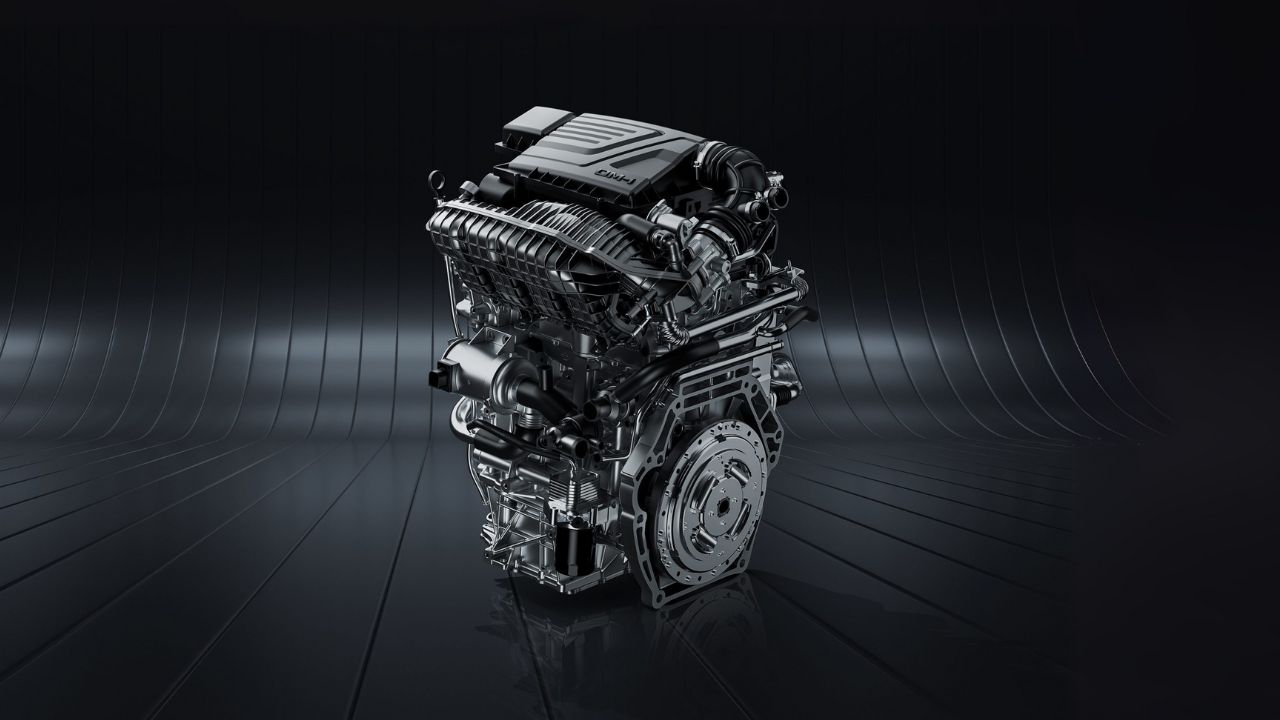


Meet the 1.5 Engine from BYD, With Atkinson Cycle and DM-i Hybrid Technology, Combining Advanced Thermal Efficiency and Electric Motor to Achieve 44.2 km/l.
In the world of hybrid vehicles, BYD’s 1.5 DM-i engine stands out for its innovative technology and incredible energy efficiency. This Atkinson cycle engine is the heart of many of the brand’s hybrid models, such as the Song Pro DM-i, the Song Plus DM-i, and the King DM-i, all available in Brazil. The 1.5 DM-i is not just a conventional internal combustion engine, but a key piece of BYD’s strategy to transform the automotive industry towards a cleaner and more efficient future.
What Is the Atkinson Cycle?
The Atkinson cycle is a type of thermodynamic cycle mainly used in hybrid and high-efficiency engines. This cycle differs from the traditional Otto cycle, which is the most commonly used in most gasoline engines. The main difference between the two lies in how the engine manages the air-fuel mixture during the combustion process.
In an Otto cycle engine, the compression ratio is higher, which improves power but can also increase emissions and fuel consumption. The Atkinson engine sacrifices some power to achieve greater thermal efficiency by extending the expansion time. This allows it to extract more energy from each drop of fuel, resulting in better efficiency and lower CO₂ emissions.
-
Fiat Cronos Precision 2018: Affordable Sedan with Spacious Trunk and Reliable Maintenance

-
Volkswagen to Cut Production by 1 Million Cars by 2030, Reducing Jobs and Platforms, Focusing on More Profitable Models

-
Toyota Launches First 100% Electric Car in Brazil: bZ4X with 343 HP, All-Wheel Drive, 361 km Range, Priced at $419,990 BRL, Limited to 99 Units

-
Chinese SUV Achieves 24.4 km/l, Outperforms Toyota Yaris Cross in Real-World Tests with 224 hp Hybrid System, Offers 51-Liter Tank for Greater Range, and Costs Up to R$ 5,000 Less.


This engine is ideal for use in hybrid vehicles, like the 1.5 DM-i, which combines the efficiency of the Atkinson cycle with the power of one or more electric motors, taking advantage of the best of both worlds: performance and sustainability.
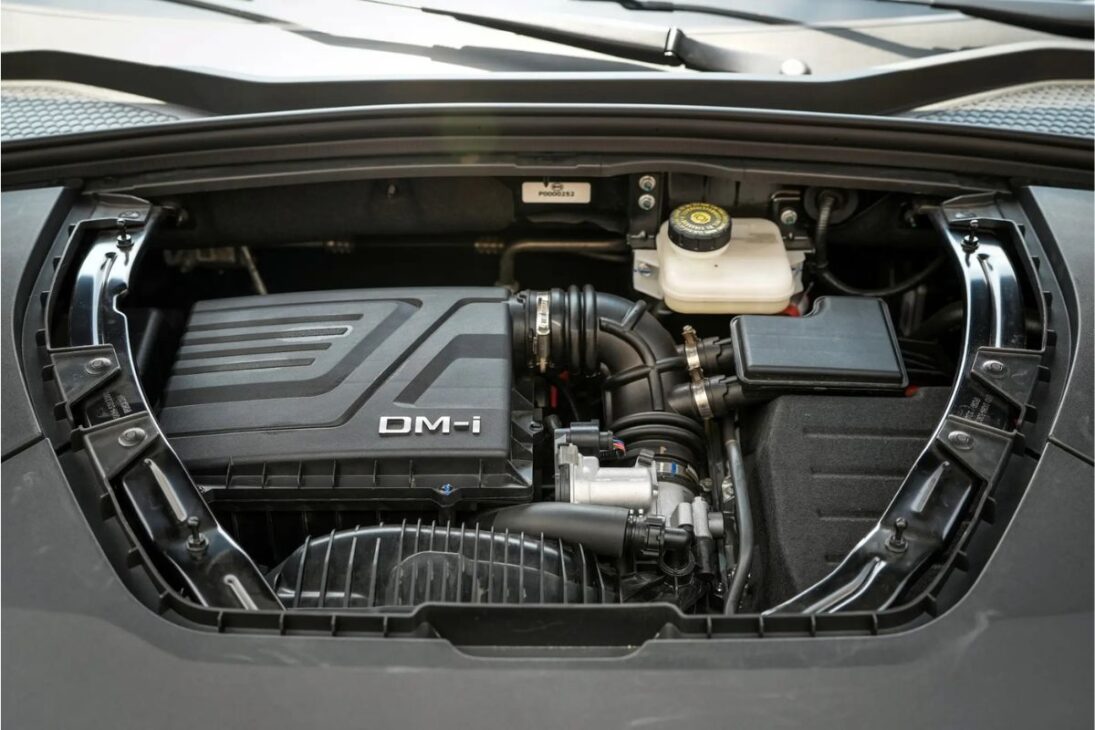
Technical Details of the 1.5 DM-i Engine
The BYD 1.5 DM-i engine, in its plug-in hybrid version, delivers 98 hp in the combustion engine, and when combined with the electric motor and battery, achieves total powers that vary by model: from 209 hp in the King DM-i to 235 hp in the Song Plus DM-i.
The integration between the combustion engine and the electric one allows for long stretches of driving in fully electric mode, activating the combustion engine only when necessary to extend the range or provide more power.
Efficiency and Consumption: Official Data from BYD Brazil
The consumption and range figures published by BYD in Brazil represent the equivalent consumption — a calculation that considers the combined use of electricity and fuel.
According to the manufacturer:
- Song Pro DM-i
- Equivalent consumption: 40.6 km/l
- Combined range: 1,100 km
- Electric range: up to 71 km
- Song Plus DM-i
- Equivalent consumption: 38.8 km/l
- Combined range: 1,050 km
- Electric range: up to 105 km
- King DM-i
- Equivalent consumption: 44.2 km/l
- Combined range: 1,200 km
- Electric range: up to 55 km
- Urban consumption only on the combustion engine: 16.8 km/l
It is worth noting that these values correspond to ideal conditions of hybrid use, starting with a charged battery and making the most of the electric motor. Real consumption only on the combustion engine will be higher, depending on the type of route and driving style.
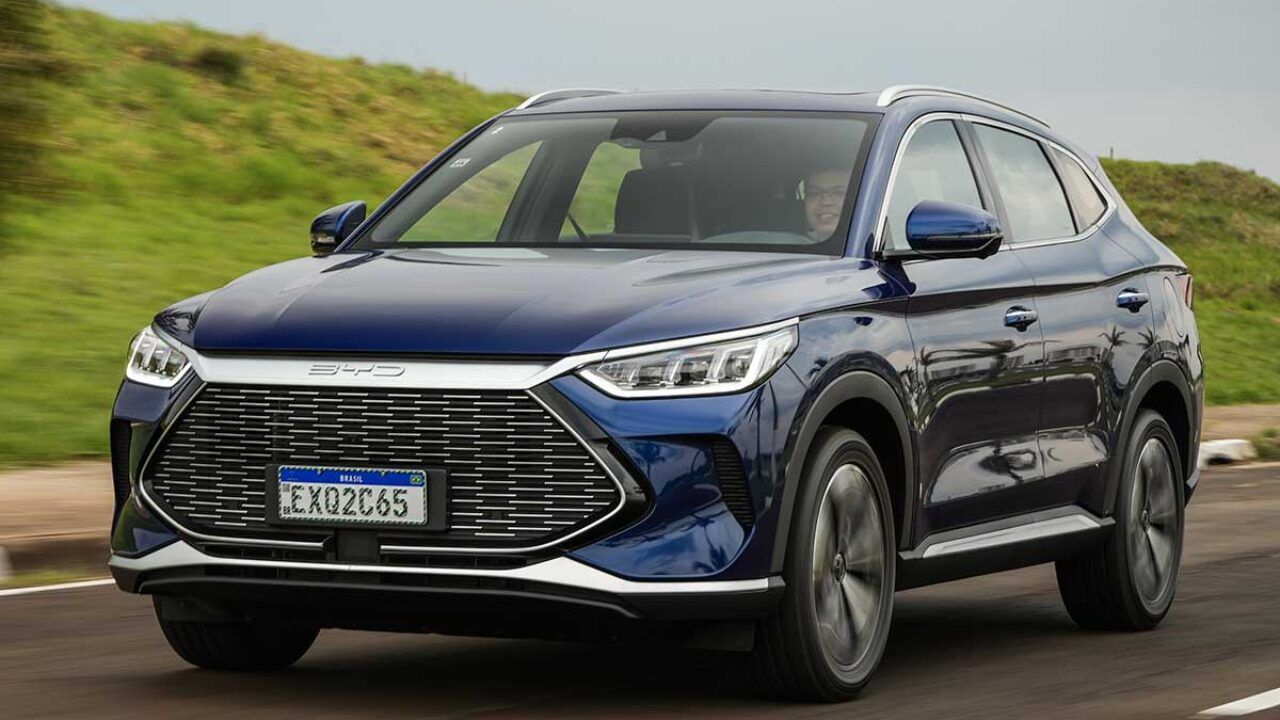
Is the 1.5 DM-i Engine Flex?
Yes. BYD has confirmed that some of its models sold in Brazil, such as the Song Pro DM-i, are being adapted to operate as Flex, running on both gasoline and ethanol — a renewable fuel widely used in the country. This configuration increases user flexibility, extends range, and contributes to reducing CO₂ emissions.
The hybrid 1.5 DM-i Flex engine maintains the same efficiency proposal as the gasoline versions, but with the advantage of utilizing cleaner and renewable origin fuels.