Portuguese
  Spanish


Discover How Brazil Leads Air Power in Latin America with the Advanced Gripen F-39 Fighters. Access for More Details!
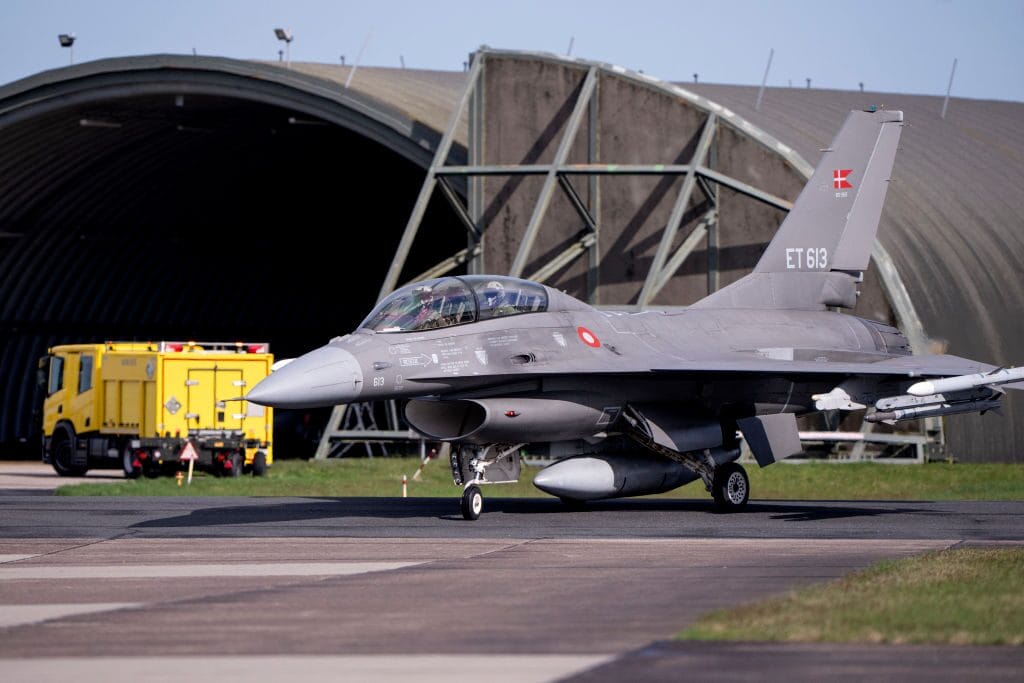
After lengthy negotiations, the Argentine government signed in mid-April to purchase 24 F-16 Fighting Falcon fighters from the Danish Air Force, the largest military aircraft acquisition made by the country in decades and the most recent expansion of air power occurring in Latin America.
The planes will take time to join the Argentine Air Force as there is no official delivery timeline, but when they do, they will represent a significant change in its military capabilities: since 2015, when the old Mirage III fighters were retired, Argentina has not had supersonic fighters in its arsenal and its air capabilities are seriously limited by a defense spending that has remained low for decades.
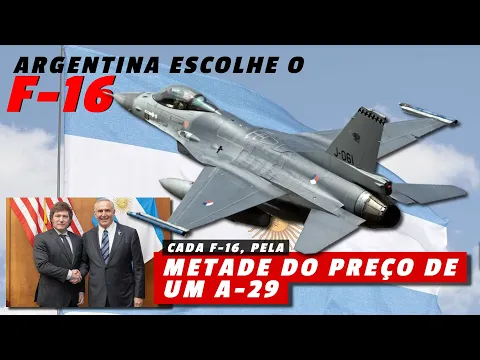

Argentina will not be the first Latin American country to operate F-16 fighters, aircraft manufactured by American company Lockheed Martin that have been exported worldwide: Chile and Venezuela also operate the model, along with others in their respective fleets.
-
European Parliament Approves Digital Euro, Aiming to Challenge Visa and Mastercard’s Dominance and Transform Payments Across Europe by 2029

-
Brazil Welcomes Spanish Wamos Air and Nigerian Air Peace, Potentially Transforming International Routes and Increasing Competition
-
Israel finds Hezbollah militarized tunnel over 200 meters long under village, with 4 missile launch shafts, 12 chambers, anti-tank missiles, drones, and weapons depots at a depth of 25 meters.

-
Ukraine launches largest drone attack on Moscow since 2022, Russia claims to have intercepted nearly 200 aircraft near the capital, Kapotnya refinery targeted again, and offensive reignites alert about war reaching the Russian energy heart just a few kilometers from the Kremlin.



Brazil, Peru, Colombia, Cuba, Honduras, and Mexico also operate supersonic fighters, that is, aircraft that can fly faster than the speed of sound (roughly 1,225 kilometers per hour), and have capabilities similar to the F-16.
This is a comparison of the air power of major Latin American countries.
Air Power in Latin America
Data on the different military fleets in the region comes from the 2024 military balance published by the International Institute for Strategic Studies (IISS), a research center based in London.
How Many Operational Aircraft Do the Air Forces of Latin American Countries Have?
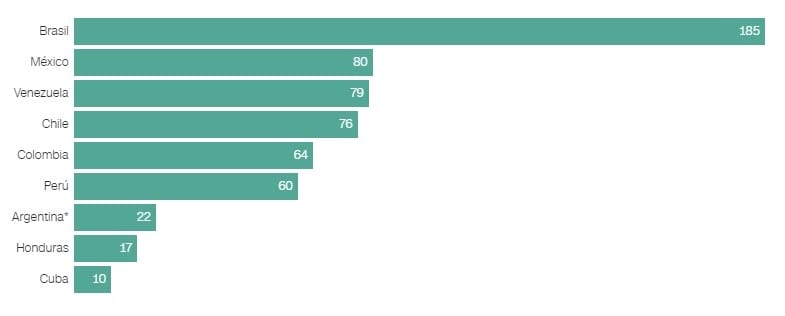
*In the case of Argentina, it is included in the list due to the recent F-16 purchase, but these are not represented in the number since they have not yet been incorporated.
Source: 2024 military balance published by the International Institute for Strategic Studies (IISS) Chart: Jhasua Razo, CNN
Brazil
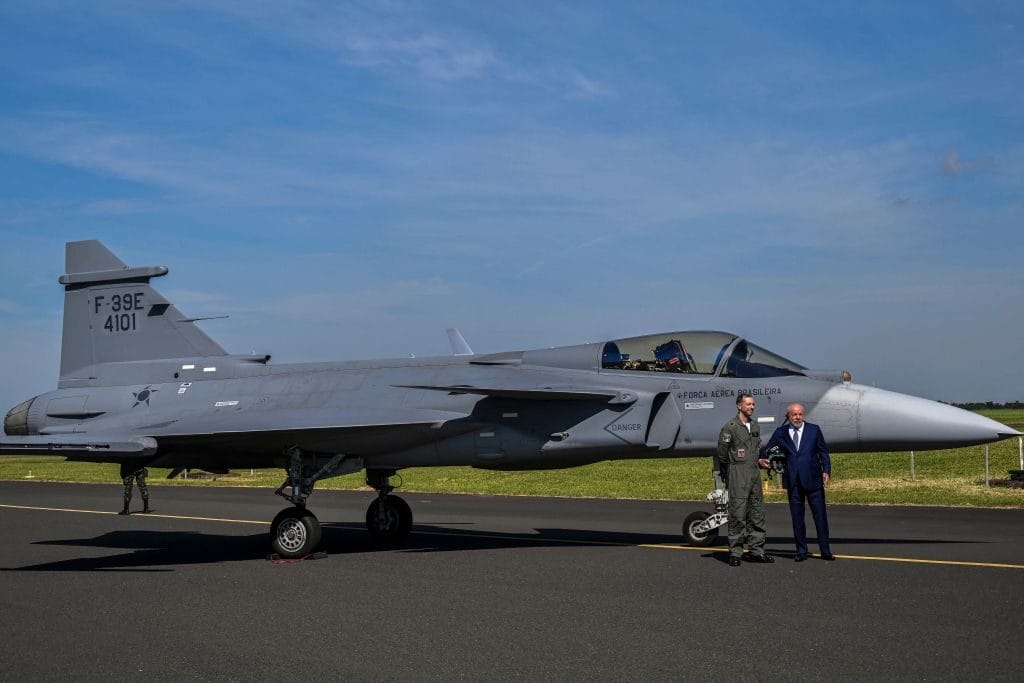
The largest country in Latin America has 185 combat-capable aircraft, including 47 supersonic Northrop F-5 Tiger II fighters (also of American origin) and 24 AMX A-1 attack aircraft (a development between Italy and Brazil).
But the jewel of the Brazilian Air Force is the modern Swedish Saab Gripen fighters: there are six in the country, but dozens more are expected to arrive under an agreement signed in 2013, part of which will be manufactured in Brazil.
Argentina
The F-16s have not yet arrived in Argentina, and it is unclear when they will, so the Argentine Air Force continues to lack supersonic capabilities and has an inventory of 22 combat-capable aircraft, including subsonic Douglas A-4AR fighter-bombers (of American origin) and locally manufactured Pampa light attack and training aircraft.
Chile
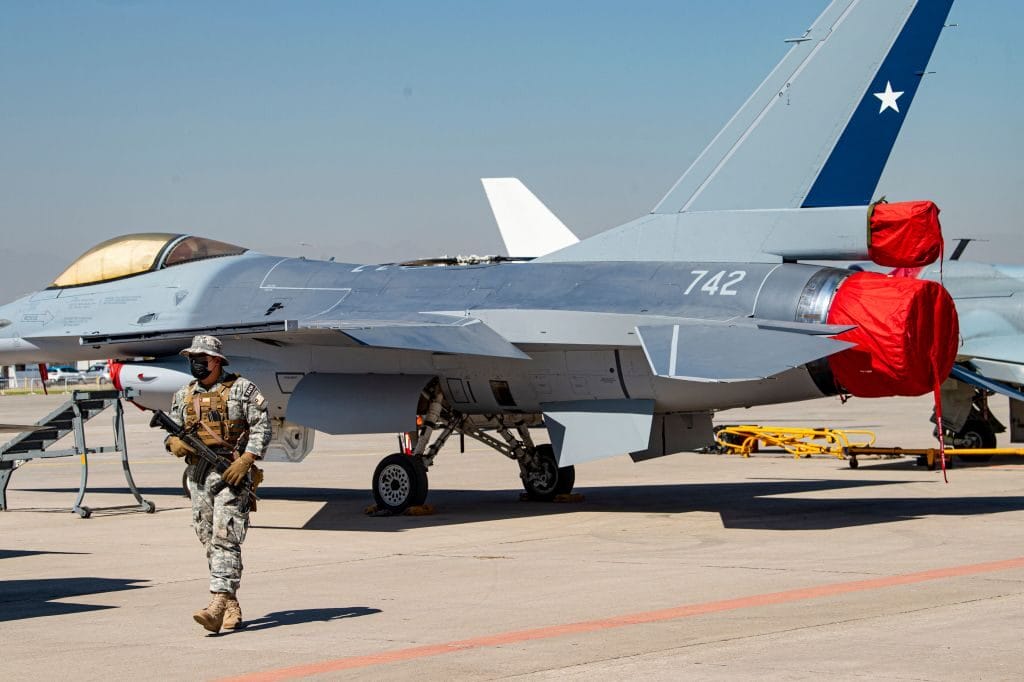
Chile is one of the main users of the F-16 fighter in Latin America: it has 46 in its AM, BM, C, and D versions, for both air-to-air combat and ground attack.
But among the 76 aircraft of the Chilean Air Force in combat capacity, there are also 12 F-5 Tiger III fighters, a development of Tiger II.
Colombia
Colombia has 64 combat-capable aircraft, including 22 supersonic IAI Kfir fighters, manufactured in Israel based on the French Mirage 5 fighter.
Cuba
Cuba has a fleet of Soviet and Russian-origin aircraft – 10 of these in combat-capable status – among which are the supersonic MiG-29 and MiG-21 fighters.
Honduras
Honduras is one of the few Central American countries that operates supersonic aircraft: among its 17 combat-capable aircraft, it has 11 F-5 Tiger II fighters.
Mexico
The Mexican Air Force has 80 combat-capable aircraft, but only 5 are supersonic F-5 Tiger II fighters.
Like Argentina, Mexico is one of the countries that spends the least on defense in the region, according to both SIPRI data and World Bank data.
Peru
Among the 60 combat-capable aircraft of the Peruvian Air Force
are supersonic aircraft of Soviet and Western origin, including 19 MiG-29 and 12 Mirage 2000 (from France).
Venezuela
The Venezuelan Air Force also operates a fleet of diverse origins. It is one of the two current regional users of the F-16 (it has 18 in versions A and B), but it also flies 21 Russian-origin Sukhoi Su-30s, out of a total of 79 combat-capable aircraft.
Is Defense Spending Growing?
The acquisition of aircraft by Argentina is not, however, an isolated event. In a world affected by increasingly large-scale armed conflicts, among which stand out the war in Ukraine and the conflict between Israel and Hamas, which has regional repercussions, but also the civil war in Syria and Sudan, among others, arms purchases are on the rise.
According to the Stockholm International Peace Research Institute (SIPRI), an international research office based in Stockholm that monitors global arms purchases, global defense spending rose in 2023 to US$ 2.443 trillion, an increase of 6.8% compared to 2022. The percentage increase is the highest since 2009, and the total amount is the highest ever recorded by SIPRI.
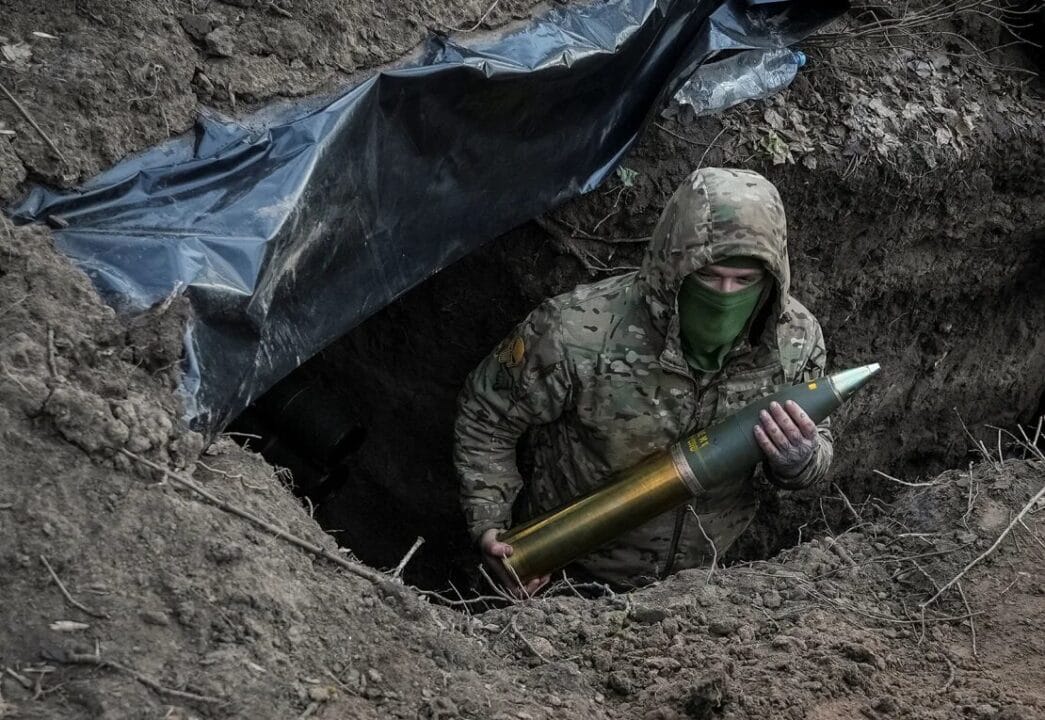
Meanwhile, global defense spending has been rising for nine years, according to the same source.
Meanwhile, members of the North Atlantic Treaty Organization (NATO), who provide military aid to Ukraine, are expanding their defense spending to meet the 2% of gross product requirement imposed by the alliance.
Speaking of “guns or butter”, the popular model used by economists to explain scarcity, trade-offs, and balancing spending in a country, the world seems to be focused on buying more guns at the expense of butter.
However, defense spending in Latin America remains low. According to the World Bank, only Colombia exceeds the threshold of 2% and dedicates 3.1% of its product to defense. Meanwhile, Mexico, Venezuela, and even Argentina, despite this purchase, are among those that spend the least on defense, below 1%.
Source: CNN