Portuguese
  Spanish


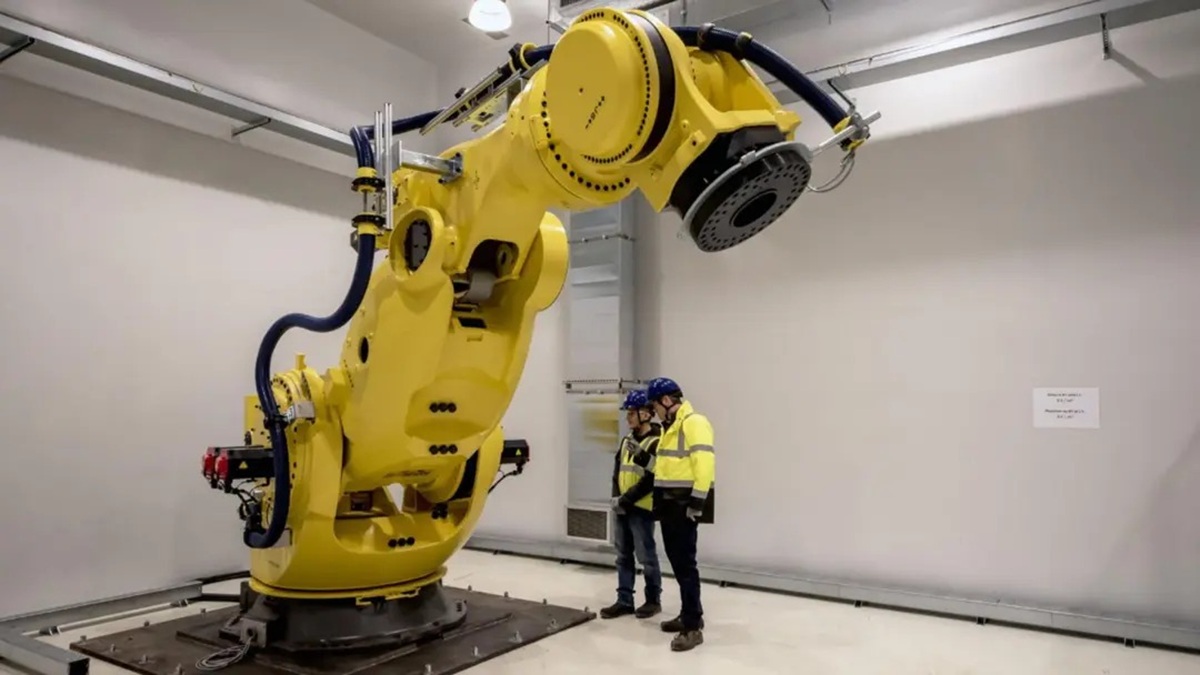

Installed in Southern France, the Giant Robot Godzilla, standing 4 meters tall, with a 5-meter arm and capacity to move up to 2.5 tons, tests tools to install 20,000 components at ITER, which foresees total magnetic energy by 2036 and deuterium-tritium operations in 2039
The Giant Robot Godzilla, standing 4 meters tall with a 5-meter arm, has been integrated into ITER to prepare the plasma chamber of the tokamak and test technologies that will enable the installation of 20,000 components, aiming for total magnetic energy by 2036 and operations in 2039.
The International Thermonuclear Experimental Reactor project revealed the new Godzilla robot as the most powerful in the world in its category. Installed underground in the Tokamak Assembly Preparation Building in southern France, the Giant Robot supports the preparation of the plasma chamber.
In September 2025, scientists from Durham University completed a quality verification program for ITER, described as the largest fusion energy project in the world. The aim is to demonstrate fusion as a viable source of clean energy.
-
Netherlands Builds Giant 240-Meter Inflatable Barrier That Rises to Protect Cities from Storm Surges

-
Brazilian Submarine Robot “FlatFish” Operates Independently at 3,000 Meters Depth to Inspect Seafloor Pipelines Without Support Vessels
-
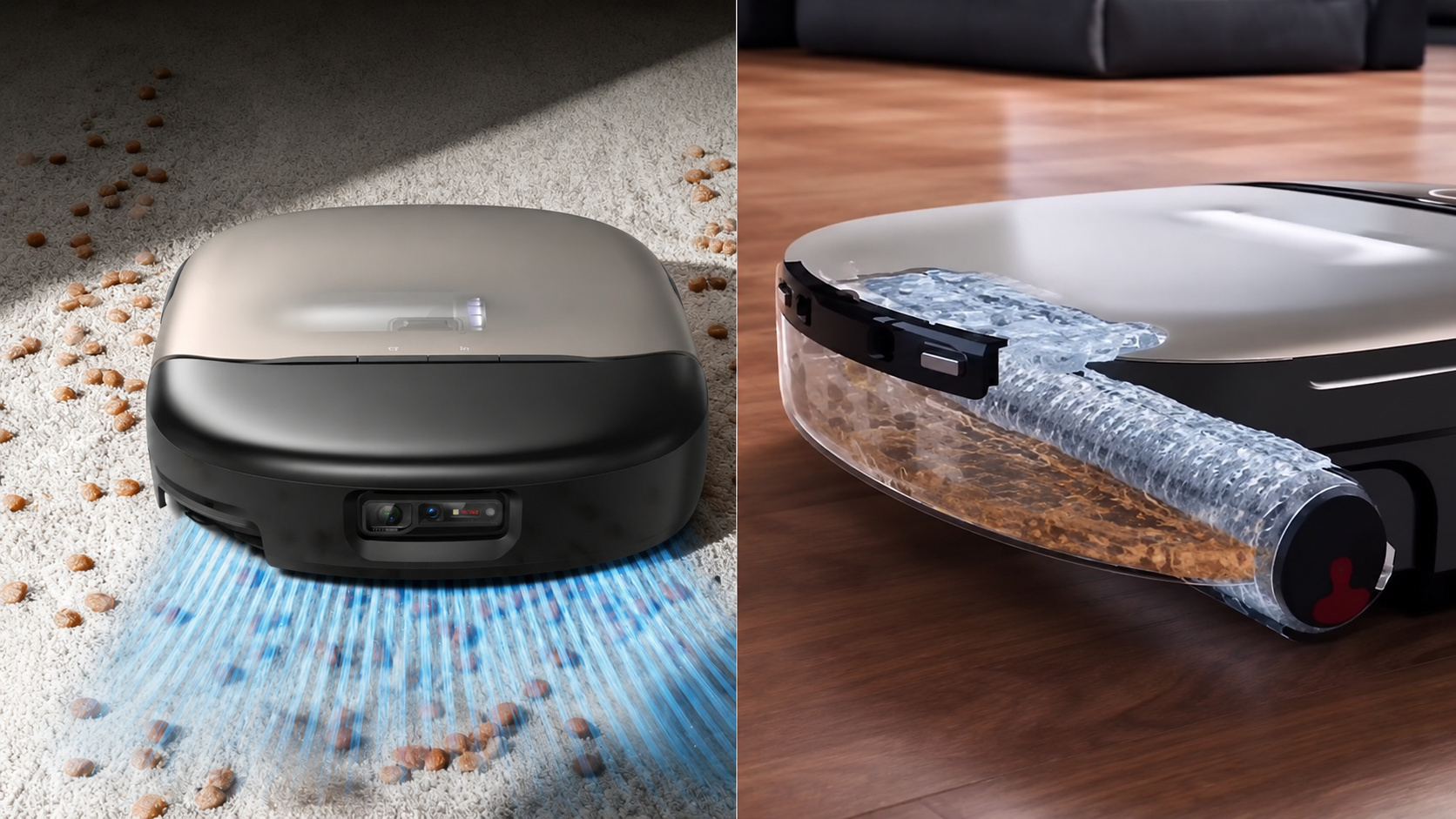
Eufy Unveils Omni S2: Advanced Robot Vacuum with 30,000 Pa Suction, Self-Cleaning Mop, AI Obstacle Avoidance, 12-in-1 Station, and Built-In Fragrance Dispenser

-
Swiss Glaciers Lose 10% of Volume in Two Years as Europe’s Largest “Water Tower” Dries Up; Scientists Use “Smart Stones” in the Alps to Gauge Remaining Water Supply for 170 Million People


Giant Robot Tests Tools for 20,000 Components
The Giant Robot measures 4 meters tall and has a 5-meter reach arm. It can lift and move up to 2.5 tons. It does not handle the heavier components of the reactor, some weighing over 4.4 tons.
Its function is to serve as a platform for the development and integration of tools and technologies. These resources will be used by other robots in the internal assembly of the ITER vacuum chamber.
Godzilla will test tools in prototypes and interfaces that represent the internal environment of the vessel. Among them is a tool changer prototype, allowing for rapid and safe switching between more than 30 specialized tools.
These tools are intended for handling, screwing, welding, inspection, and cutting. The quick exchange capability is considered crucial for saving time during the complex assembly process inside the reactor.
Vision Systems and Rolling Wave Concept
Standard industrial robots have arms, joints, and muscles but lack human senses. The customized robots at ITER will feature vision systems developed by Fusion for Energy to align tools accurately.
They will also have force and torque sensors to feel and control pressure and forces applied to the components. Tasks will follow a carefully orchestrated plan, with teams and tools working in parallel.
This strategy is known as the Rolling Wave concept. While one team installs a layer of components, the next installs the subsequent layer, reducing time and installation risk.
According to ITER, the role of the Giant Robot is to test and refine tools and processes. The goal is to ensure that the internal assembly proceeds smoothly when robots take control.
“In the confined and densely compacted environment in which the robots will operate, the senses of vision and touch will be essential for precise and safe movements,” stated Raphaël Hery, expert in remote handling and robotics.
Integration with Crane and 39-Ton Conveyor
After validation on the Godzilla platform, technologies developed internally or by the Japanese National Research Agency will be integrated into the assembly robots inside the vessel.
Among the systems planned is the internal tower crane, originally produced by CNIM, which will be adapted and optimized. The conveyor for the blanket assembly, weighing 39 tons, is also part of the plan.
This conveyor is three times larger than Godzilla and is in detailed design phase before manufacturing by Larsen & Toubro Ltd in India. Two blanket assembly conveyors will operate in parallel.
An internal tower crane, with a backup, will also operate simultaneously. Operators will work on custom mobile platforms equipped with zero-gravity arms to perform manual tasks.
International Infrastructure and Timeline Until 2039
The preparation for internal assembly goes beyond the main building in southern France. It involves facilities in India, Japan, and other national agencies.
Europe is acquiring the remote handling system for the inner divertor. On-site, two full-scale steel structures represent one-third of the vacuum chamber each.
One of these structures will be located in the former Cryostat Workshop and will house the tower crane. An adjacent building will accommodate the blanket assembly conveyor and related heavy equipment.
Additional space has been reserved for future needs. According to Raphaël, developing robust systems and processes for assembly inside the vessel is a truly colossal task.
When fully operational, the Rolling Wave workflow will operate virtually uninterrupted, 24 hours a day, six days a week, over a projected period of two years.
The project aims to achieve total magnetic energy by 2036 and commence deuterium-tritium operations in 2039. These milestones represent a decisive step towards demonstrating fusion as a viable energy source.