Portuguese
  Spanish


With Natural Advantages and Growing Interest from Governments and Companies, Brazil Emerges as a Protagonist in the Production and Export of Green Hydrogen. Understand What It Is and What This Fuel of the Future Is For.
Green hydrogen has gained prominence in discussions about energy transition worldwide. Considered by experts as the fuel of the future, it emerges as a promising alternative to reduce greenhouse gas emissions and diversify the energy matrices of countries.
In Brazil, the topic has been receiving attention from state governments, researchers, and private companies. The country has favorable natural characteristics to become one of the world leaders in the production and export of this type of clean fuel.
What Is Green Hydrogen and How Is It Produced
Hydrogen is the most abundant chemical element in the universe. However, to be used as an energy source, it needs to be isolated. Green hydrogen is produced from the electrolysis of water, a process that separates hydrogen from oxygen using electricity generated exclusively from renewable sources such as solar and wind energy.
-
Brazilian scientists are simultaneously advancing two research projects on clean hydrogen and driving solutions that could transform the energy matrix, enhance industrial competitiveness, and accelerate large-scale emission reduction targets.

-
Advancement in renewable energy: A R$ 150 million project launched by Petrobras and Finep aims to create state-of-the-art electrolyzers for green hydrogen, strengthening national research and preparing Brazil to compete in a billion-dollar energy market.
-
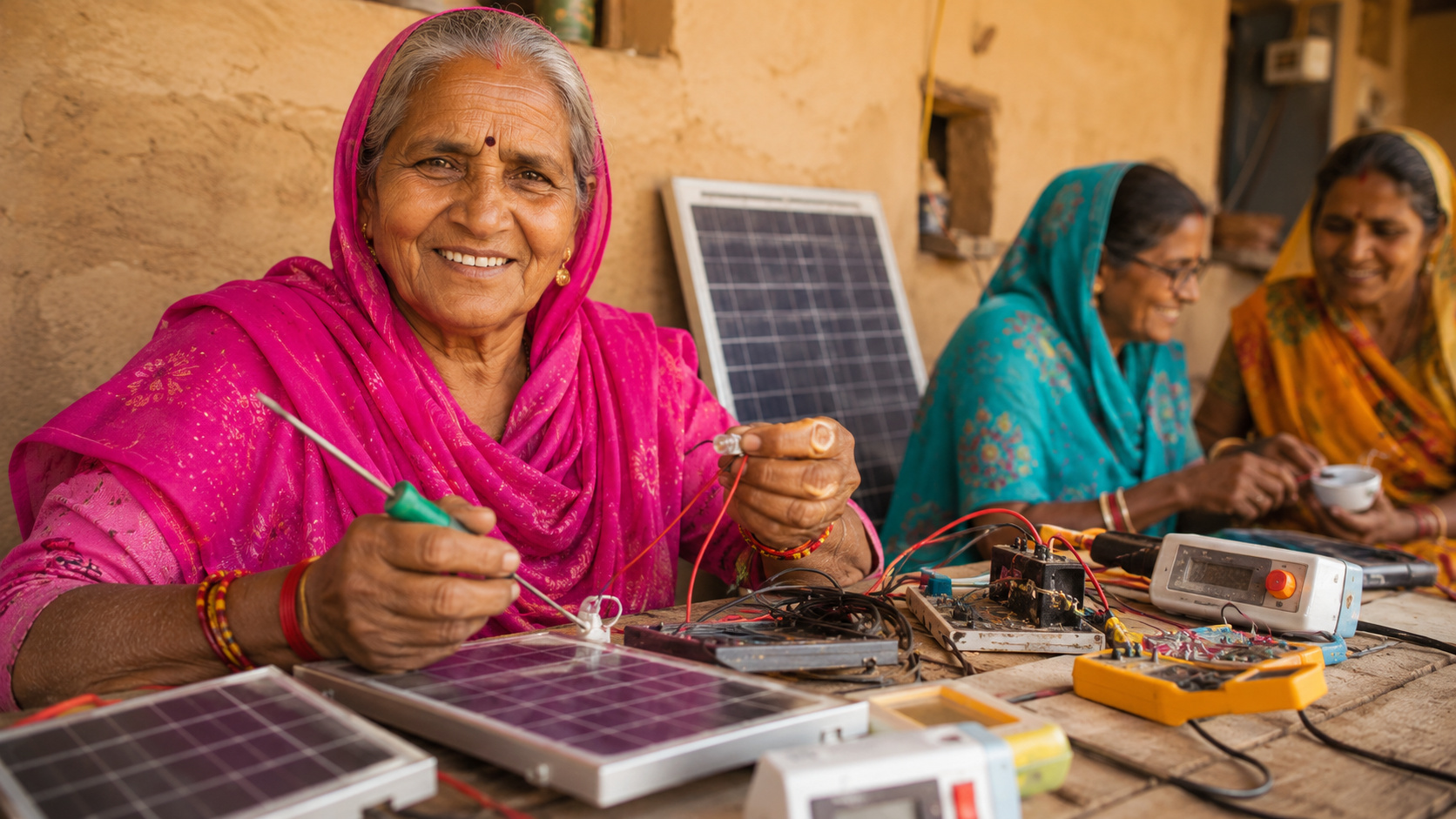
Illiterate or semi-literate grandmothers were trained to repair solar systems, open rural workshops, and light up homes that still depended on kerosene.
-
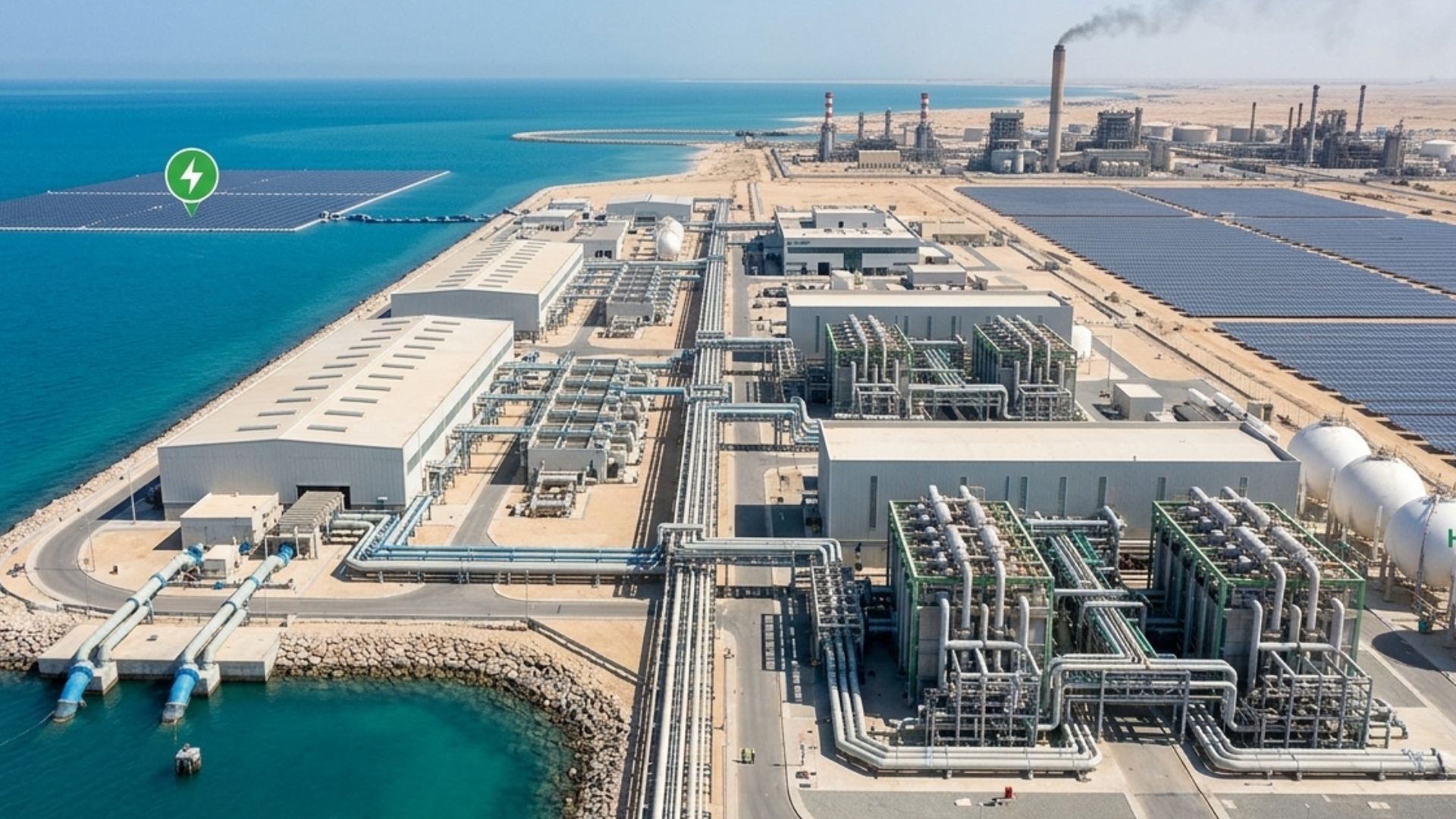
The world has bet on green hydrogen as the fuel of the future, but now faces the side effect: producing 1 kilogram requires about 9 liters of ultrapure water, and the largest projects on the planet are precisely in the driest regions of the Earth, where water is already scarce for people.



Unlike gray or blue hydrogen, which are produced from fossil fuels like natural gas, green hydrogen does not emit polluting gases during its production. This makes it a viable alternative for industrial and transportation sectors seeking to reduce their carbon footprint.


What Is Green Hydrogen Used For
Green hydrogen is a versatile input. It can be used in various applications, including:
- Electricity generation through fuel cells;
- Chemical and steel industries, replacing fossil fuels in high-temperature processes;
- Cargo and passenger transport, using trucks, trains, and ships;
- Storing excess energy from renewable sources for later use.
These applications make hydrogen a strategic solution for the global energy transition. Therefore, many countries are creating policies to stimulate the production and consumption of what is already called the fuel of the future.
Brazil’s Potential in the Production of Green Hydrogen
Brazil is considered one of the countries with the greatest potential to stand out in the international green hydrogen market. The abundant availability of renewable sources, such as solar, wind, and hydropower, is one of the main national differentials.
Currently, about 85% of Brazil’s electricity matrix is already composed of renewable sources. This facilitates the installation of electrolyzer plants in strategic regions close to areas with high solar incidence and constant winds.
Additionally, the country has a port infrastructure that can be adapted to export the fuel of the future. The Porto do Pecém in Ceará is one of the examples. It has already begun adaptation works to attract investments in green hydrogen projects, focusing on exports to Europe and other markets.
Projections and Investments
According to data from the International Renewable Energy Agency (IRENA), Brazil could generate over R$ 1 trillion in investments related to the green hydrogen production chain in the next 15 years. The estimate includes projects for generation, transportation, storage, and export.
Several Brazilian states have already signed cooperation agreements with foreign companies and investment funds to develop production hubs. Bahia, Ceará, Piauí, Pernambuco, and Rio Grande do Norte are among the states leading these initiatives.
Challenges to Consolidate the Green Hydrogen Market in Brazil
Despite the promising scenario, Brazil still needs to overcome some challenges to become a world leader in green hydrogen production. Among the main obstacles are:
- The need to create a specific regulatory framework for the sector;
- The high cost of electrolysis technology;
- The demand for qualified professionals and technical training;
- The need for investments in transportation and storage infrastructure.
Regulating the sector is considered a key point to attract more investments. Currently, the federal government is discussing the development of a national plan to guide the sector’s growth and provide legal security to national and foreign investors.
Paths to the Future
With appropriate public policies, economic incentives, and strategic partnerships, Brazil can take a prominent role in the global production of green hydrogen. The country has favorable natural conditions, energy structure, and geographical location to establish itself as one of the largest exporters of the fuel of the future in the coming years.
Advancement in this market can also generate jobs, stimulate technological innovation, and contribute to meeting national and international environmental targets for emission reductions.
Sources: Eletron Energy and Iberdrola