






 Portuguese
  Spanish
  4 min of reading
  0 comments


Australian Researchers Turn Textile Waste Into An Ultra-Strong Material, Combining Innovation And Sustainability To Solve Environmental Problems And Strengthen The Construction Industry.
Imagine turning something that would go to waste into an ultra-strong and durable material. That’s exactly what Australian researchers did by developing a new concrete using discarded carpet fibers. Yes, that old carpet you thought was only good for collecting dust now plays a crucial role in the construction industry. In addition to making concrete stronger and more durable, this innovation helps solve a major environmental problem: the disposal of textiles like carpets and clothes. Let’s understand how this magic happens and the impact it could have.
How This New Stronger And More Sustainable Concrete Works?
The secret to this stronger concrete lies in the incorporation of discarded carpet fibers. Researchers at the Royal Melbourne Institute of Technology discovered that these fibers can reduce cracks in concrete by up to 30%. This means that structures made with this material will have a much longer lifespan and require fewer repairs over time.
Dr. Chamila Gunasekara, the study leader, explained that cracks in concrete slabs are a common problem in the construction industry. They not only affect the aesthetics of buildings but also pose risks to structural integrity. With the use of fibers, these early cracks can be virtually eliminated, increasing the safety and durability of constructions.
-
Without a mansion, without high investment, and without a traditional classroom, a teacher living in a 22 m² house taught students to build a 9 m² studio apartment with the equivalent of R$10,000.

-
Without her own home and pressured by rent, a 25-year-old bought a small 15-meter boat, gradually renovated the interior by herself, transformed the interior with paint, new flooring, a larger bathroom, and started living on the canals, paying much less per month.
-
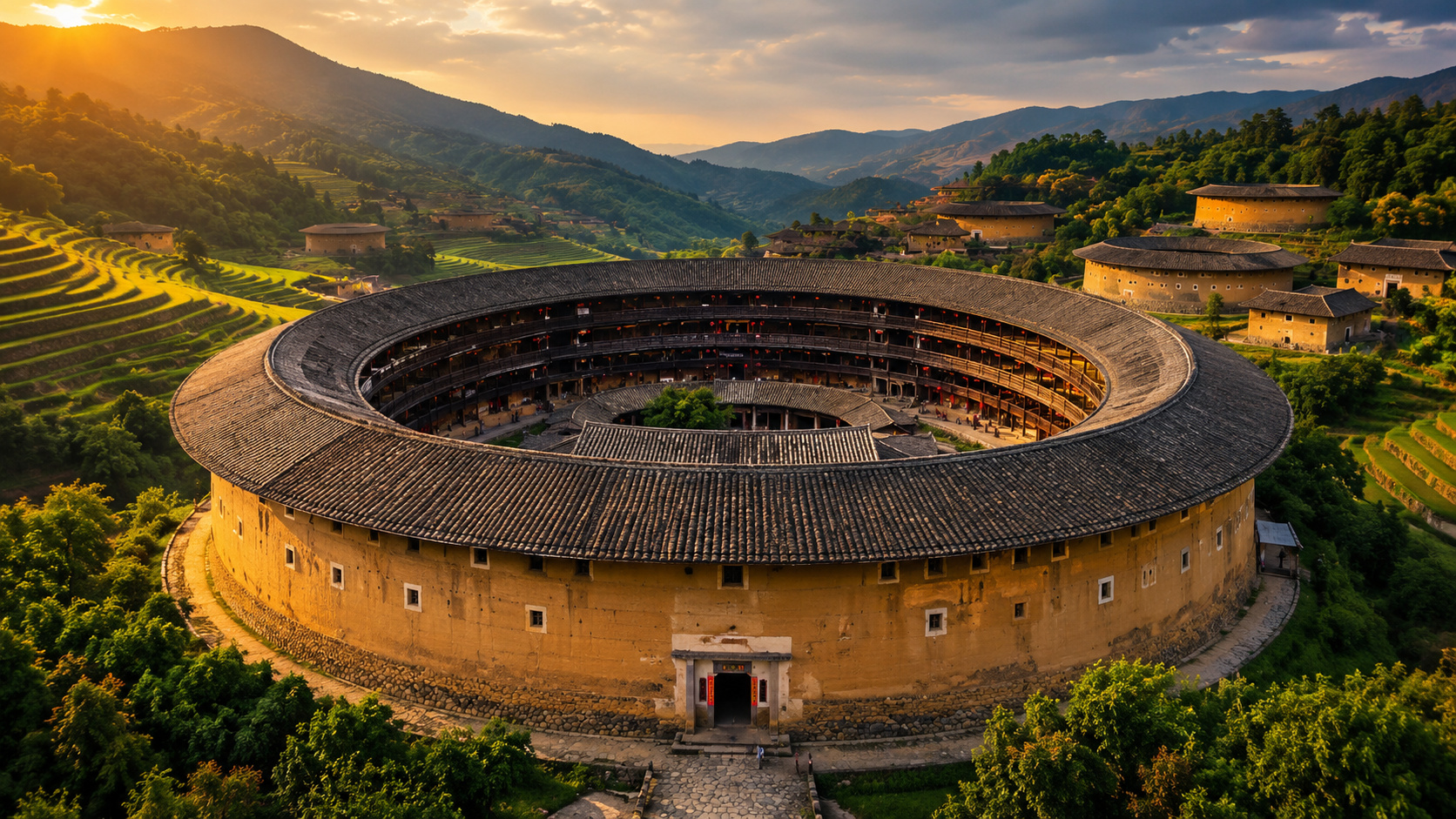
Long before sustainable construction became a trend, China built earthen fortresses with multiple floors, a central courtyard, and the capacity to house up to 800 people living in a community.
-
He got tired of renting, bought an old school bus, removed the seats, modified the roof, reinforced everything with steel, and created a two-story mobile home that looks small on the outside but houses two bedrooms inside.



But the innovation doesn’t stop there. Besides carpet fibers, other textile waste, such as old clothes, has also shown promising results. This opens up a range of possibilities to repurpose a large amount of materials that were previously discarded.
A New Concrete That Also Helps The Environment
Australia faces a massive environmental challenge: textile disposal. The country is the second largest consumer of fabrics in the world, second only to the United States. Annually, 23 kilograms of clothing and carpets are discarded per person. And the worst part: a large portion of these materials ends up in landfills or is incinerated, releasing toxic gases in the process.
This is where the new concrete comes in. By reusing carpet fibers and other textile waste, the construction industry not only gains a stronger material but also helps to reduce pollution. According to textile scientist Dr. Shadi Houshyar, up to 70% of these wastes can be converted into reusable fibers, contributing to a more sustainable cycle.
The use of these fibers also reduces reliance on traditional materials such as steel and cement, which have a significant environmental impact during production. In summary, this innovation could completely change the game when it comes to sustainability in the construction industry.
What Is The Future Of The New Concrete In The Construction Industry?
The study has already made significant progress, but the research team isn’t stopping there. After successful lab tests, the concrete samples with textile fibers met all Australian engineering standards and environmental requirements. Now, the goal is to take this technology into the real world.
The researchers are looking for commercial partners and support from local government to conduct field tests. This means that soon we could see buildings, bridges, and other structures being built with this stronger concrete.
Another interesting point is that the cost of repairs for concrete structures in Australia exceeds 8 billion Australian dollars per year. With this new technology, costs could be drastically reduced, bringing benefits not only to the environment but also to the budgets of construction companies and governments.
The Impact On The Construction Industry And What To Expect From This Innovation In The Future
The introduction of this new concrete marks an important moment for the construction sector. In addition to providing a stronger and more durable material, the technology paves the way for more sustainable practices. In a world where resources are becoming increasingly scarce, solutions that reuse waste and reduce environmental impact are essential.
If the use of carpet fibers and other textiles becomes widespread, we could see a transformation in the construction market. Safer structures, cost reductions, and a less polluted planet. It sounds like the best of both worlds, doesn’t it?


Be the first to react!