






 Portuguese
  Spanish


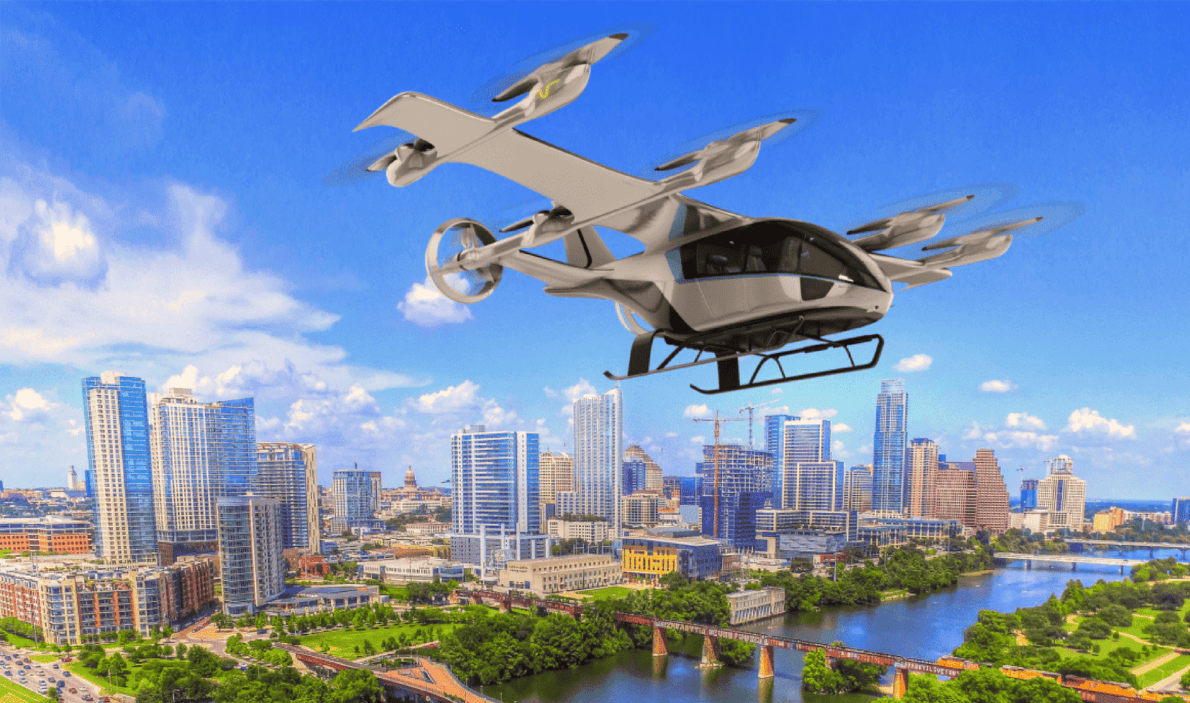
Funding Will Propel the Installation of the First eVTOL Factory in Brazil and Promote Decarbonization in Aviation
Eve Air Mobility, one of the leading companies in the urban air mobility sector, announced last Tuesday, the 15th, the signing of a financing contract of R$ 500 million with the National Bank for Economic and Social Development (BNDES). The amount will be used to develop the first electric vertical takeoff and landing aircraft (eVTOL) factory in Brazil, located in Taubaté, São Paulo. This financing marks an important step in the evolution of the Brazilian aerospace industry and reinforces Eve’s commitment to sustainability and technological innovation, according to the Broadcast website.
Millions at Stake: BNDES and Eve, a Subsidiary of Embraer
The agreement with BNDES is part of the BNDES More Innovation program, which aims to support high-tech and sustainable development projects. Eve, a subsidiary of Embraer, is at the forefront of the urban air mobility (UAM) sector, seeking to revolutionize transport with electric flight solutions that help reduce carbon emissions.
Johann Bordais, CEO of Eve, highlighted the importance of this funding for the realization of the project:
-
Brazilian scientists are simultaneously advancing two research projects on clean hydrogen and driving solutions that could transform the energy matrix, enhance industrial competitiveness, and accelerate large-scale emission reduction targets.

-
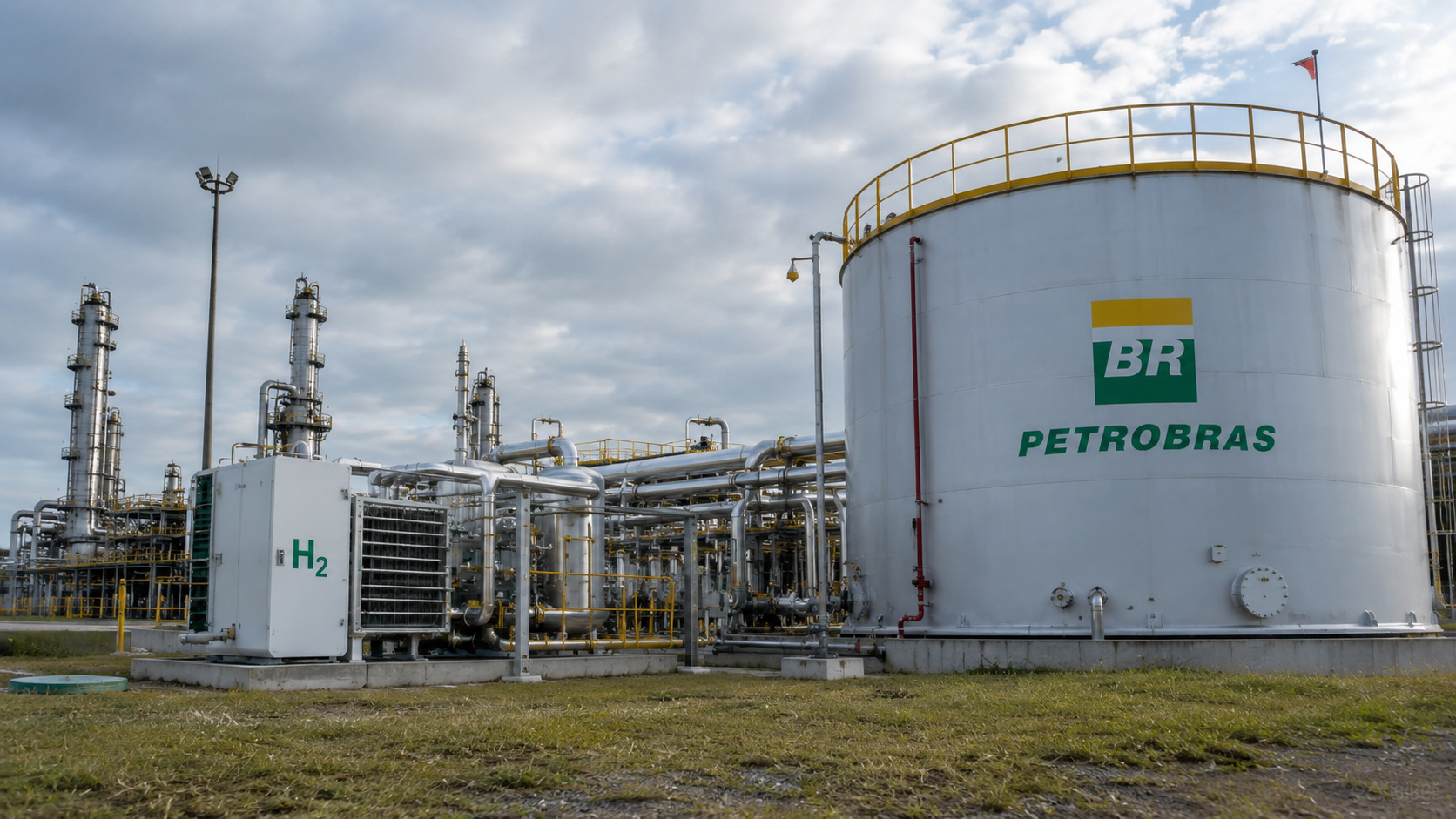
Advancement in renewable energy: A R$ 150 million project launched by Petrobras and Finep aims to create state-of-the-art electrolyzers for green hydrogen, strengthening national research and preparing Brazil to compete in a billion-dollar energy market.
-
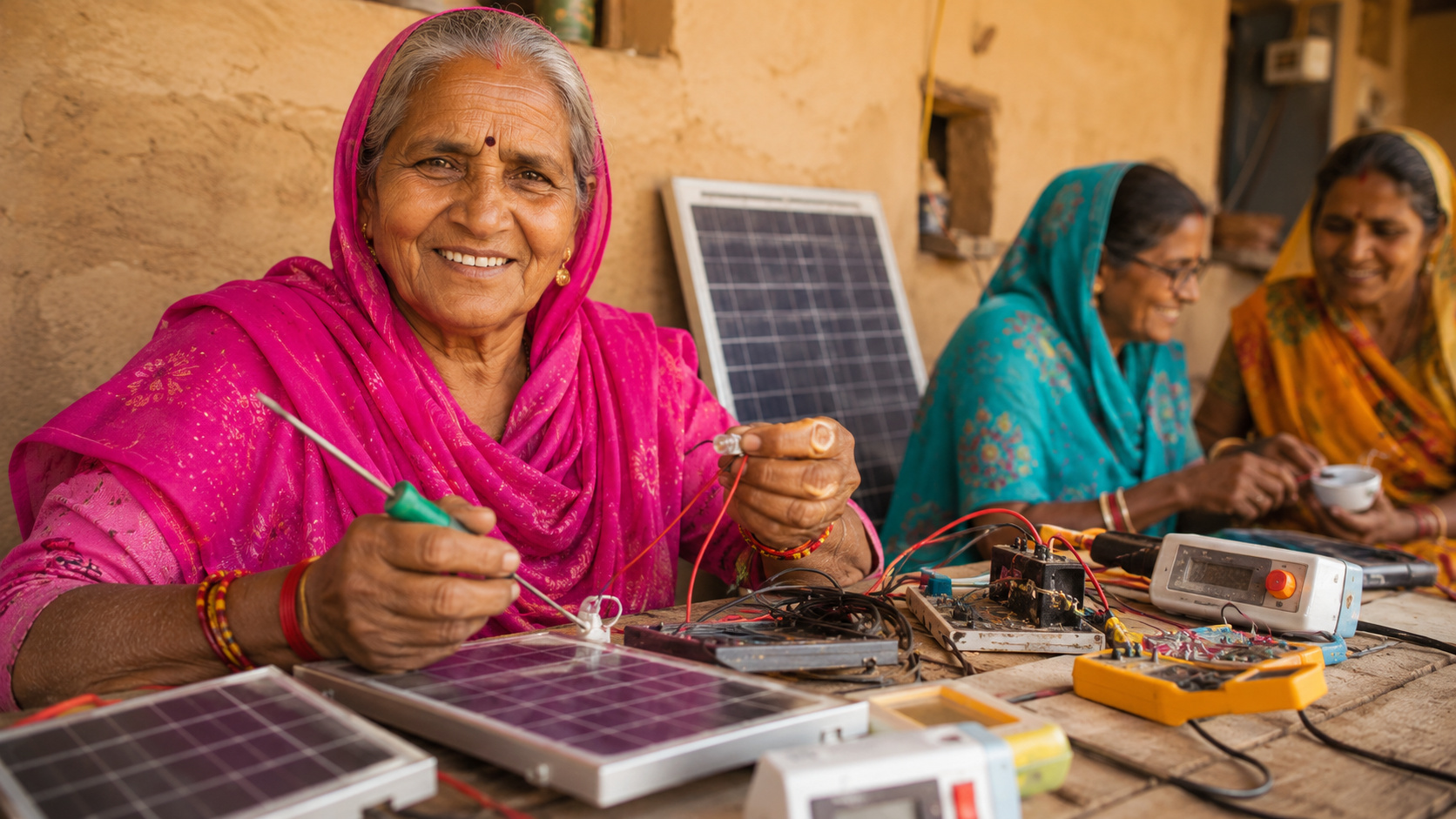
Illiterate or semi-literate grandmothers were trained to repair solar systems, open rural workshops, and light up homes that still depended on kerosene.
-
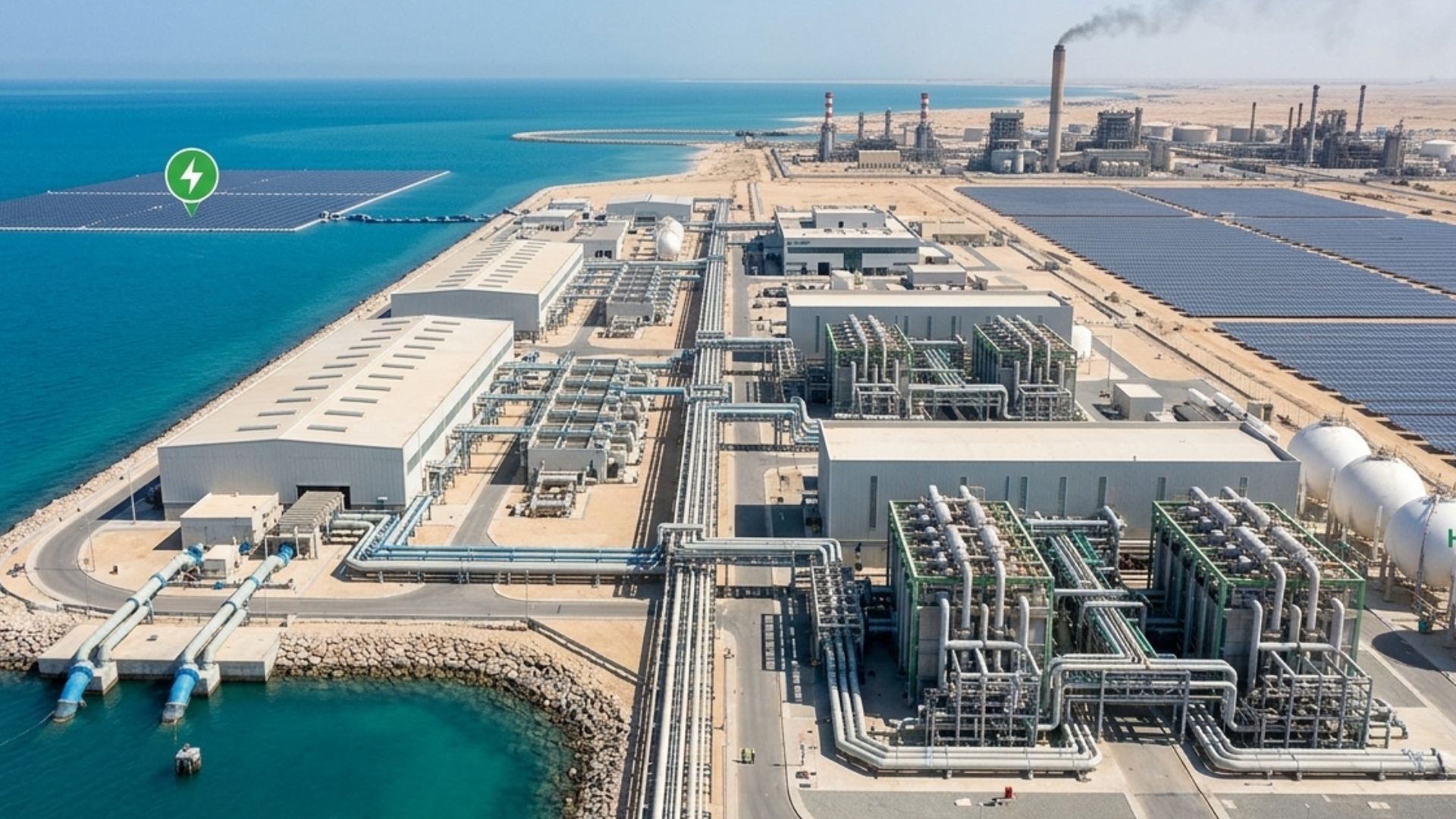
The world has bet on green hydrogen as the fuel of the future, but now faces the side effect: producing 1 kilogram requires about 9 liters of ultrapure water, and the largest projects on the planet are precisely in the driest regions of the Earth, where water is already scarce for people.


“We are deeply grateful for the ongoing support and trust that BNDES has shown to Eve as we advance in our mission to reimagine mobility through efficient and sustainable urban flight experiences.”
The executive also emphasized that the eVTOL production unit will be a landmark, not only for being the first factory of its kind in Brazil, but also for being powered by clean and renewable energy, aligned with global decarbonization goals in aviation.
R$ 500 Million: Large-Scale Production
The financing of R$ 500 million will be essential for the factory’s installation, which will have a total production capacity of up to 480 aircraft per year. The company plans to follow a modular expansion model, allowing for efficient scalability as the demand for eVTOL aircraft grows. This phased expansion method outlines four stages, each capable of producing 120 aircraft, offering a disciplined approach in terms of investment and capital management.


The project is structured through sub-credits from national and international sources, including foreign currency funds from BNDES, with a repayment term of 16 years. The expectation is that the factory will become a reference not only for the production of electric aircraft but also for the use of innovative technologies and sustainable practices.
Largest Backlog in the Sector and Potential for Billion-Dollar Revenue
Eve Air Mobility already has the largest backlog in the eVTOL industry, with letters of intent (LOI) for 2,900 aircraft, from 30 customers in 13 countries. This represents a potential US$ 14.5 billion in revenue for the company in the coming years, consolidating its leadership position in the urban air mobility sector.

With the growing demand for sustainable transport solutions, Eve is positioning itself as one of the pioneers in the race to develop electric aircraft that can operate in urban environments, facilitating efficient mobility and reducing environmental impact. Urban air mobility is seen as a solution to congestion and a complementary means of transport, especially in large urban centers.







Be the first to react!