






 Portuguese
  Spanish
  3 min of reading
  3 comments


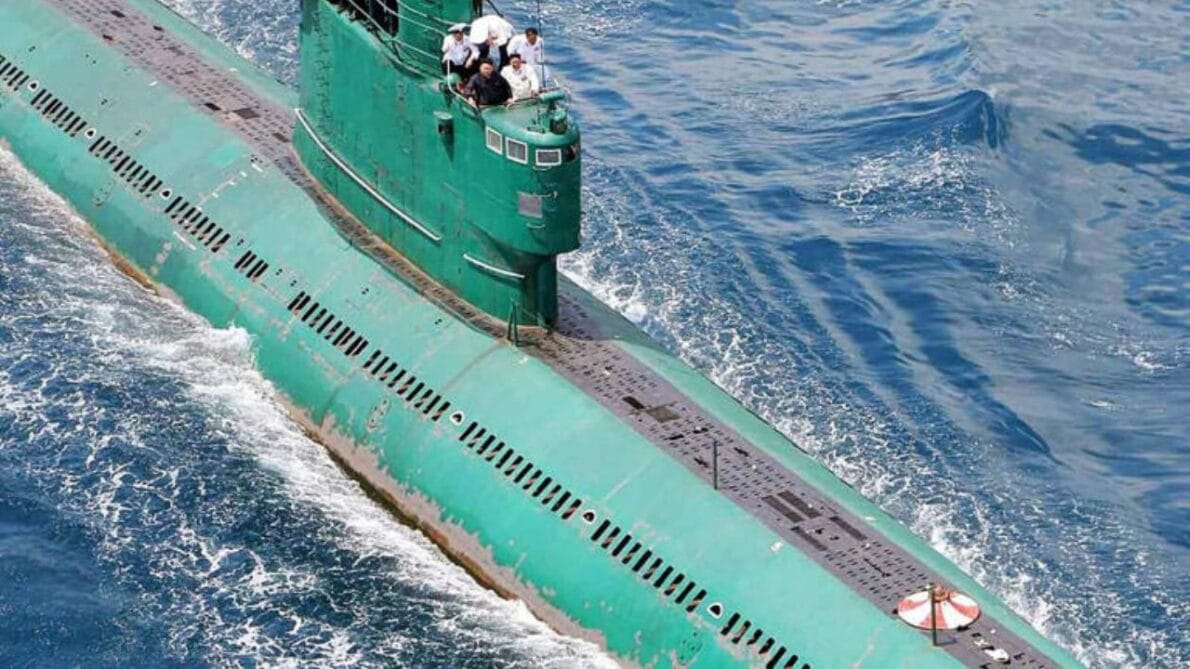


In Response To The Challenge Of Maritime Operations In A Highly Monitored Environment, North Korea Adopts An Innovative Camouflage Tactic, Painting Its Submarines Green To Blend In With The Plankton-Rich Waters Of The Sea Of Japan
Unlike the usual black or dark gray, North Korea has chosen green for the submarines operating in the Sea of Japan, a region known for its rich waters in plankton, which give them a greenish hue. This decision aims to hide the vessels from aerial surveillance, especially from anti-submarine aircraft.
The Yugo and Sang-O class submarines, adapted for operations in shallow waters, stand out in this fleet. With their upper part painted green, they blend into the marine environment, making detection more difficult. In addition to these, the Romeo class, larger and operational since the Soviet era, also adopts the same camouflage strategy.
United States Painted Submarines Light Gray


This strategic choice is not unique in the world military history. During the 1930s and 1940s, the United States experimented with painting submarines light gray to camouflage against the hazy horizon. However, the deterioration of the color led to the adoption of black, which offers less degradation and is effective for prolonged submerged operations.
-
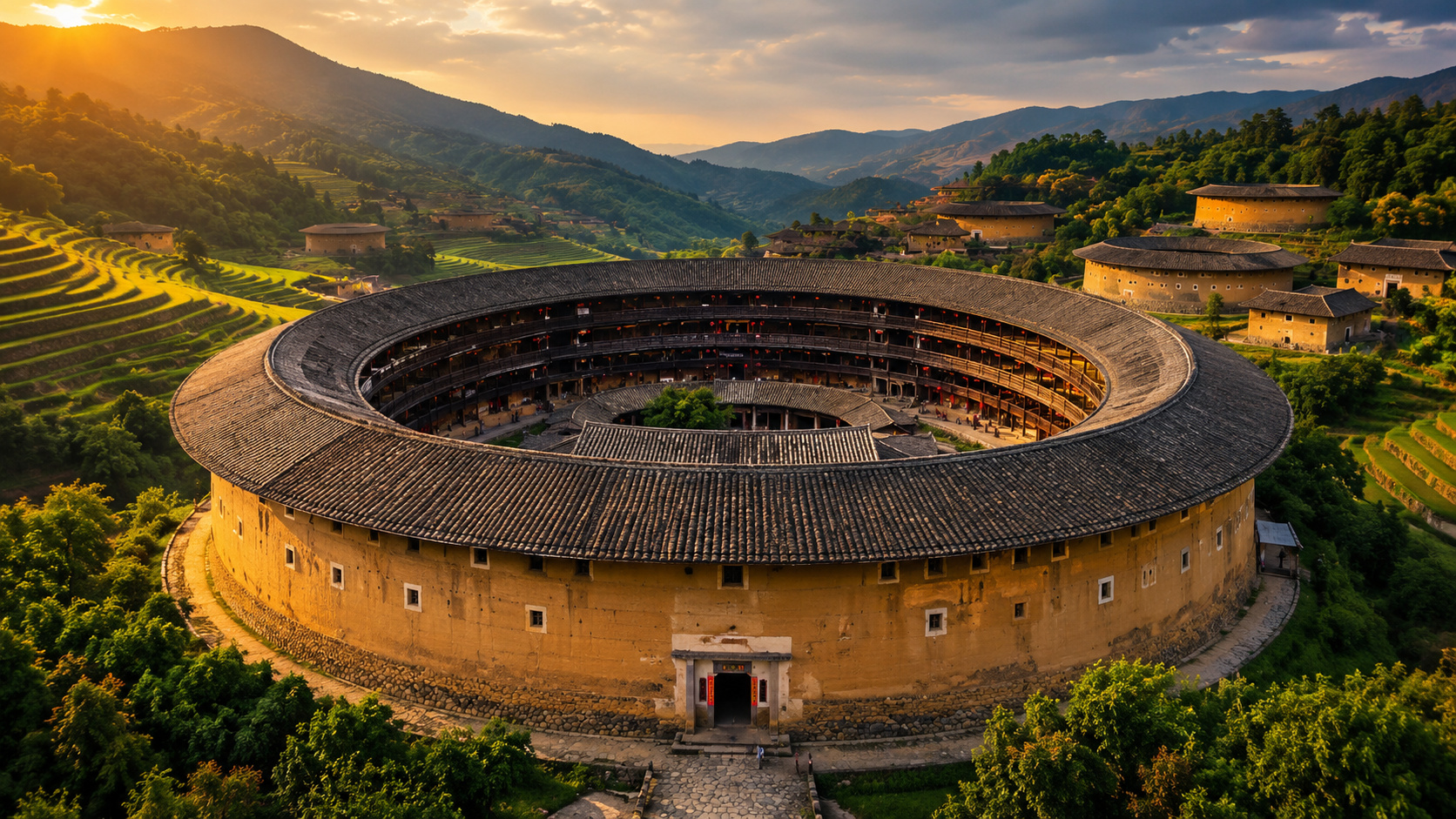
Long before sustainable construction became a trend, China built earthen fortresses with multiple floors, a central courtyard, and the capacity to house up to 800 people living in a community.

-
He got tired of renting, bought an old school bus, removed the seats, modified the roof, reinforced everything with steel, and created a two-story mobile home that looks small on the outside but houses two bedrooms inside.
-
A mother of four sought a safer family environment, watched tutorials on the internet, built a 325 m² house with her family, and learned foundation, walls, plumbing, and electrical work without any professional experience.
-
Iron ore falls to 762 yuan in China as real estate sales decline and steel production hits lowest level since 2018



Despite being outdated, North Korean submarines pose a potential threat, especially to unescorted commercial ships. Most of their fleet is required to navigate on the surface to breathe, making them vulnerable, but still capable in regional conflicts.
While submarine technology advances globally, North Korea uses green not only as camouflage but as a statement of its ability to adapt and persist in a complex and vigilant military scenario.
Why Are Most Submarines Black?
Submarines are traditionally painted black or dark gray for several reasons, primarily related to camouflage and the durability of the paint under extreme sea conditions. Black has proven effective for camouflage, especially at greater depths where light is limited, helping to conceal the submarines against the dark ocean floor.
Black camouflage was primarily adopted after World War II. Experiments conducted by the United States showed that dark blue, while initially more effective for camouflage, deteriorated quickly and tended to fade to a whitish tone, becoming more visible. Black, on the other hand, retains its color more consistently under harsh marine environmental conditions.
Additionally, the outer surface of modern submarines is often covered with a layer of anechoic rubber, which contains carbon black. This layer is designed to absorb and distort the sound waves from enemy sonars, improving the submarine’s acoustic stealth. The carbon black not only enhances the mechanical properties of the rubber but also contributes to the effectiveness of acoustic camouflage, and the resulting black color is ideal for such applications.






Interessante que “os submarinos da Coreia do Norte são uma ameaça”, como se os do Sul não fossem.
Eu achando que era um avião caído no mar.. submarino cheio de janelinhas..parece ônibus
Sucatas flutuantes, deram uma demão de tinta que estava disponível. Desde quando tinta impede camuflagem com sonares e radares ultramodernos?