Portuguese
  Spanish


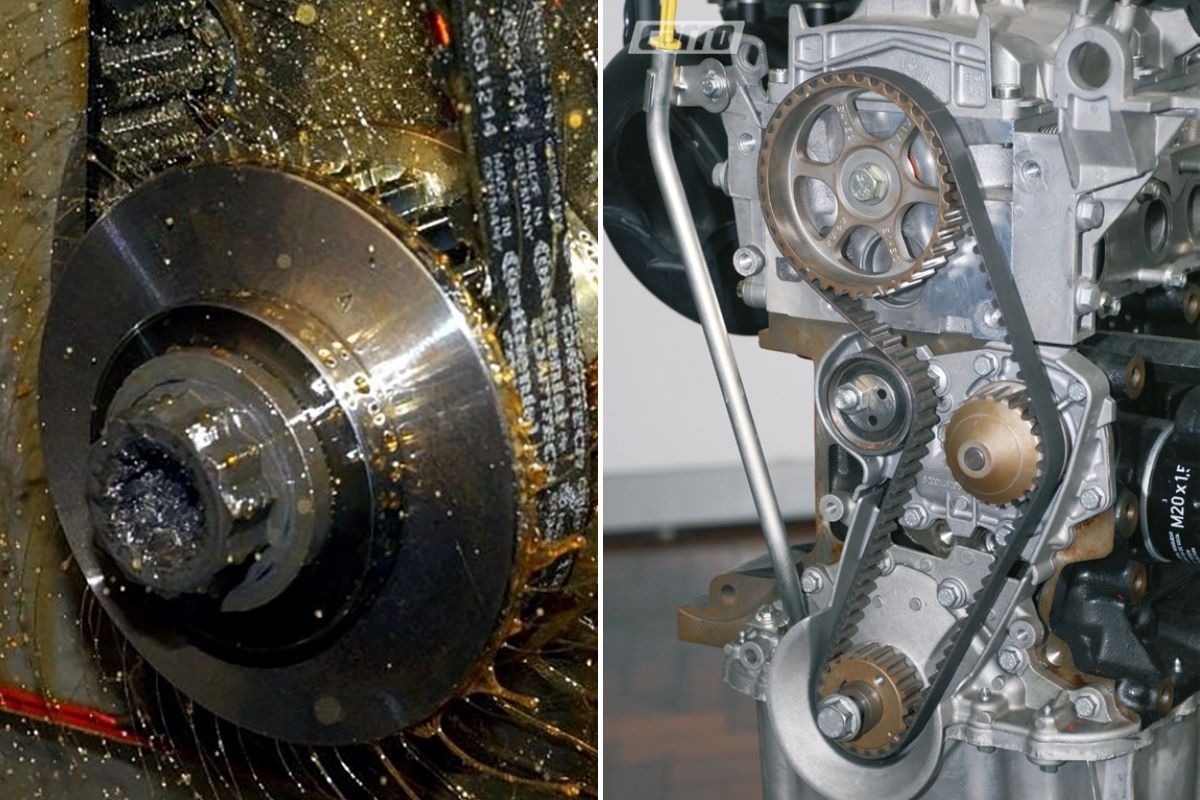

Does Your Timing Belt Last 50,000 km or 200,000 km? The Answer Depends on the Type! Find Out If Yours is Standard or Oil-Coated and the EXACT Timeline to Avoid Risking the Engine
As experts already explain, the timing belt is like the conductor of your engine. It ensures everything works in perfect sync: pistons, valves… If that thing isn’t 100%, the orchestra goes out of tune, and the damage can be significant!
The general rule is that “normal” belts last around 50,000 km or five years of use. The more modern ones, which are oil-coated (yes, that exists!), can easily exceed 200,000 km or ten years. But there’s a huge “however”: for these oil-coated ones to last, the used oil must be EXACTLY what the manufacturer specified. If you use the wrong oil, you’re asking to shorten its lifespan quickly and end up with a headache.
So, the message from mechanics to “check your car’s manual” is worth gold! It has the exact specifications for your model, and following what the manual says is the best way to avoid trouble.
-
Most of the world’s wigs and hair extensions are made from Indian human hair and assembled in a single Chinese city, the global wig capital, where 300,000 people rely on this billion-dollar industry.

-
Despite declining smoking rates in the U.S., Zippo’s windproof lighter factory sees record sales in over 180 countries, remaining the largest employer in its region for decades.
-
Brazilian Driver Accidentally Becomes Millionaire for 7 Hours, Returns $25 Million and Now Seeks $2.5 Million Reward in Court

-
McDonald’s Ice Cream Machines Often Break Due to a Single U.S. Manufacturer, Error Codes, and a Lucrative Repair Model


But What If the Timing Belt Decides to Say Goodbye? Hold On!
This is where things get serious! If the timing belt breaks, the damage can be enormous. Remember the synchronization? Well, when it fails, pistons and valves that should work together collide. It’s like an accident inside the engine, and the result can be:
- Bent or Broken Valves: They are the first to feel the impact.
- Damaged Pistons: They can suffer severe damage.
- Cracked or Deformed Cylinder Head: One of the most expensive parts of the engine.
- In the most severe cases, the engine may “seize”, making repairs impractical or costing more than a new car.
So, yes, prevention here is not an expense; it’s heavy savings!
Keep an Eye Out: Signs That the Timing Belt is Asking for Help
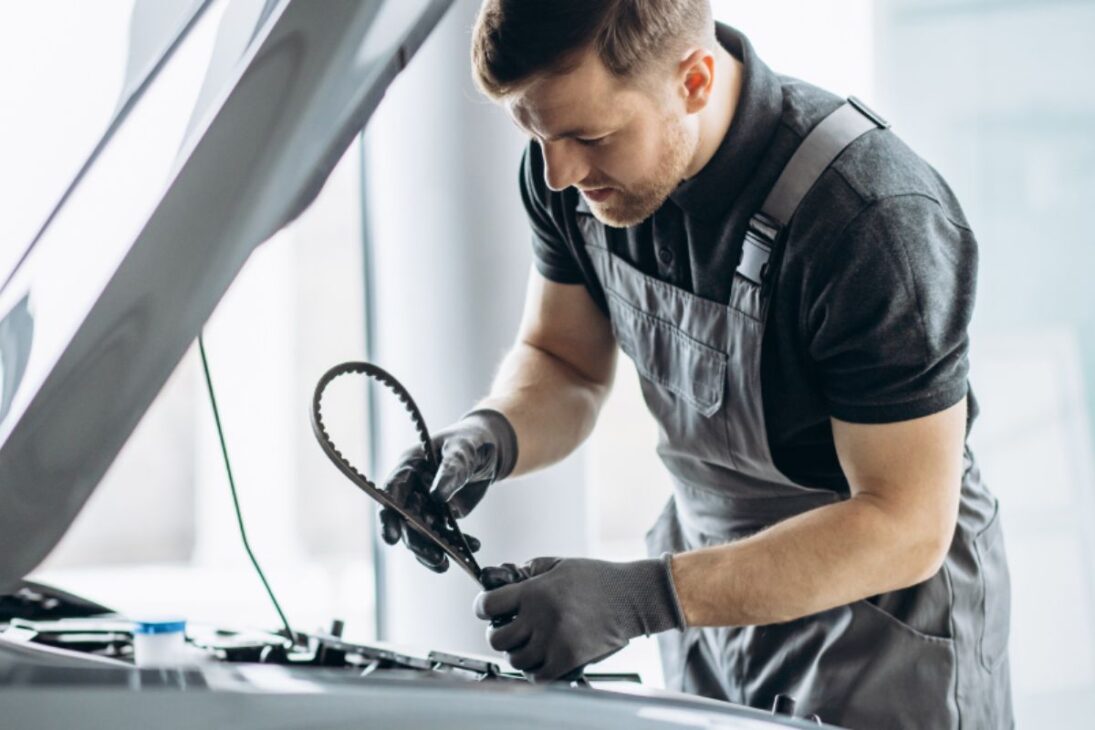
The timing belt doesn’t always warn that it’s about to break, but sometimes it gives signs that it’s not doing well. Be alert if your car shows:
- Strange Noises From the Engine: Crackling, grinding or knocking sounds from the front of the engine, especially when the car is cold or when you accelerate. They can start subtly and increase.
- Loss of Power: If the car feels “sluggish,” struggling to accelerate or climb hills.
- Difficulty Starting: This may be a sign that the synchronization is off.
- Abnormal Vibrations or Jumps: The car may feel somewhat unstable.
- Visible Signs of Wear: Cracks, exposed wires, or even missing teeth on the belt. If you notice any of this, rush to the mechanic!
And What About the Cost? How Much Does This Cost?
The replacement of the timing belt varies significantly from car to car and based on your region. But to give you an idea, labor plus parts can range from about R$ 300 to R$ 800 for more common cars.
For oil-coated belts, the replacement can be more expensive, easily reaching around R$ 5,000 or R$ 6,000 at dealerships, or slightly less at trusted workshops, but still quite steep. On the other hand, if the belt breaks, the damage could be thousands of reais, easily reaching R$ 8,000 or more, depending on the damage. In other words, it’s definitely worth investing in preventive maintenance!
In the end, the advice from professionals and everyone who knows about cars is unanimous: follow your vehicle’s manual and don’t ignore the timelines and mileage. A little care now can save you a huge headache and a massive expense in the future!