Portuguese
  Spanish


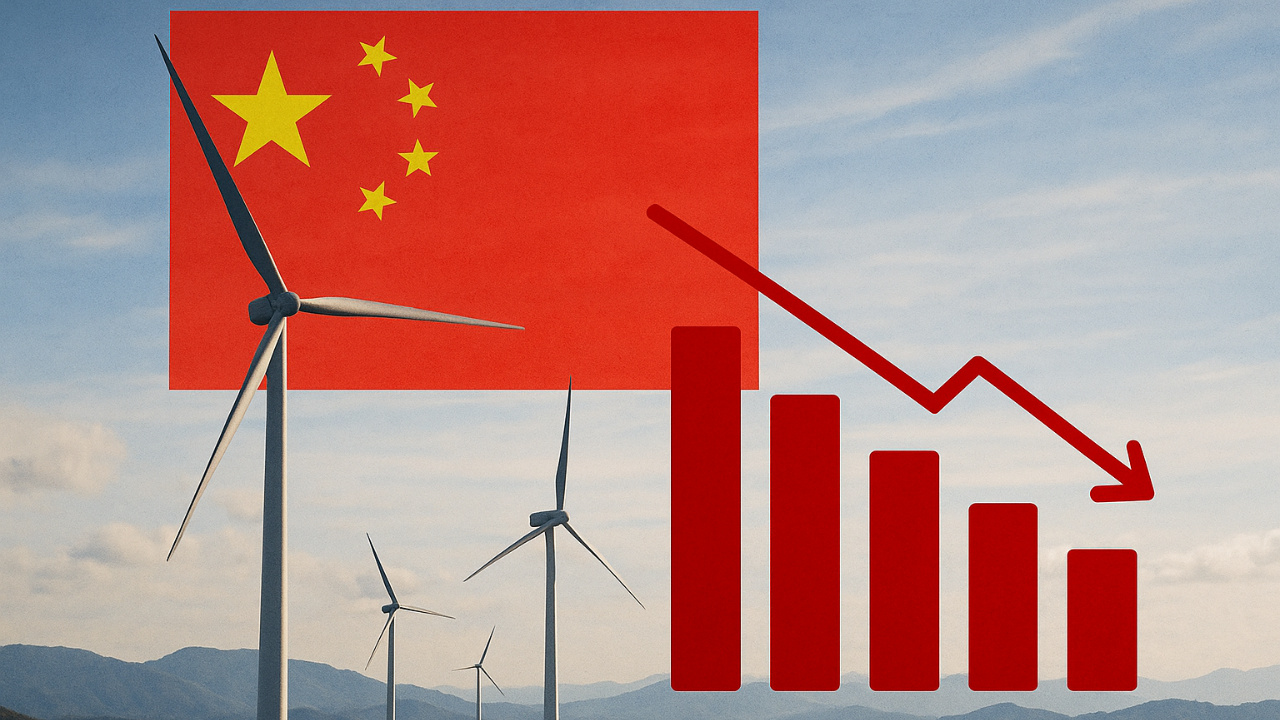

Chinese Manufacturers Expand Wind Energy Exports and Conquer New Markets, but Must Overcome Technical Standards, Western Investors’ Requirements, and Infrastructure Challenges to Keep the Pace of Growth.
The advancement of wind energy in the international arena is being driven by the rapid expansion of Chinese manufacturers, who see in foreign markets an alternative to domestic saturation. However, despite the significant growth in exports, companies in the sector still face substantial barriers, both technical and political, requiring more robust adaptation strategies. This global movement reveals how China is trying to transform its industrial expertise into world leadership in the wind turbine segment.
Wind Energy Exports Pick Up Speed and Boost Chinese Manufacturers
In the first nine months of 2025, Envision Energy secured over 9 GW in new orders overseas. This number, representing over 40% of the international orders won by Chinese manufacturers, highlights the growing weight of the company in the global wind energy sector.
International expansion intensified particularly from 2024, when five Chinese manufacturers exported turbines to 23 countries. In this scenario, Envision reached 2.28 GW in exports, registering a 40% increase and occupying second place in the rankings, trailing only the also Chinese Goldwind. New projects already signed for 2025 are concentrated in strategic regions such as Central Asia, North Africa, Southeast Asia, and Australia.
-
Brazil filled the Northeast with wind turbines but now faces the side effect of 705 giant blades reaching the end of their lifespan by 2032 just in Rio Grande do Norte, while the world projects 43 million tons of waste by 2050.

-
Brazil has filled the Northeast with wind turbines, but now it faces the side effect of 705 giant blades reaching the end of their useful life by 2032 just in Rio Grande do Norte, while the world projects 43 million tons of waste by 2050.
-
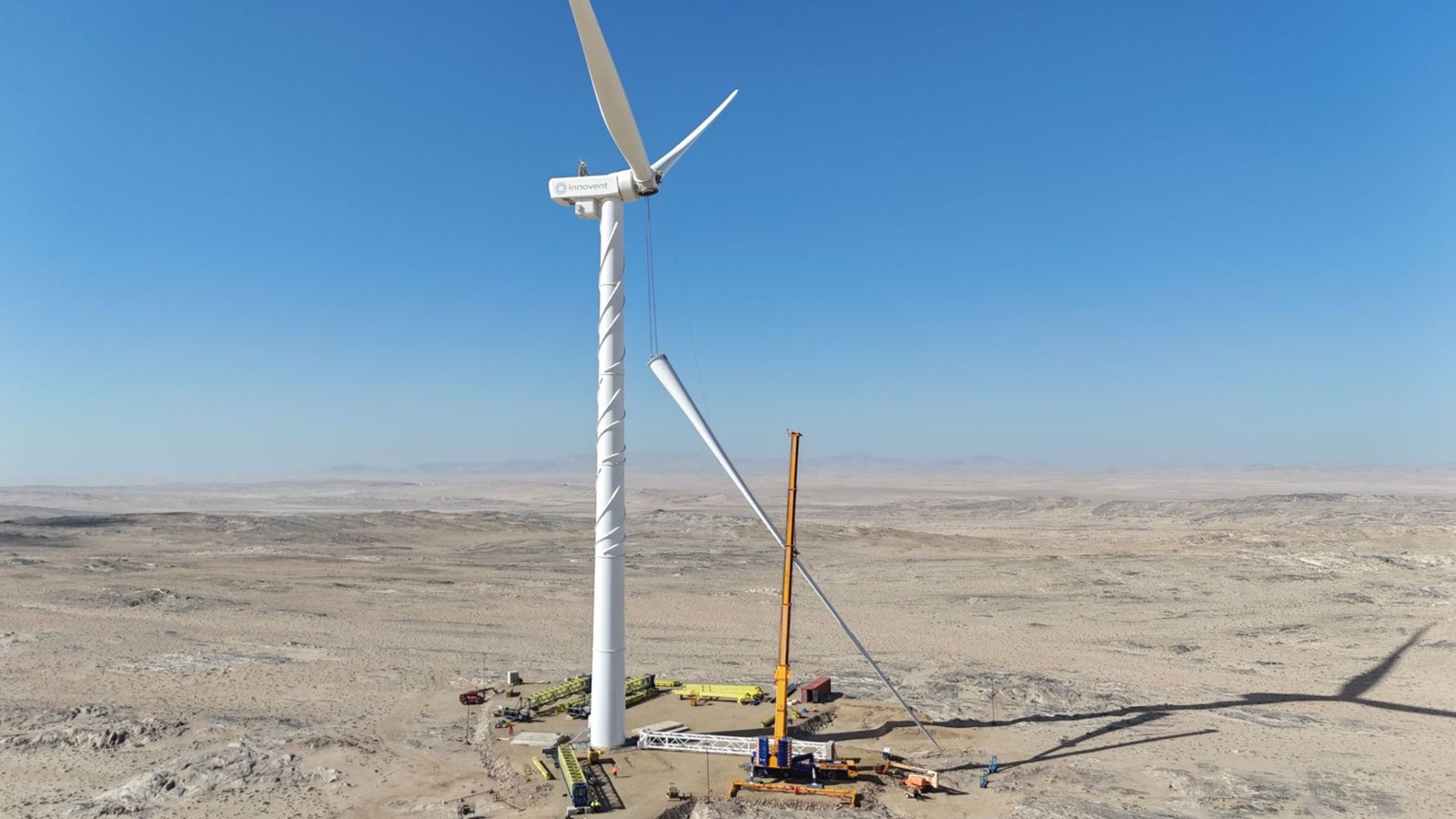
Wind farm in Namibia will have wind turbines assembled without giant cranes and is expected to avoid 200,000 tons of carbon dioxide per year when it becomes operational.

-
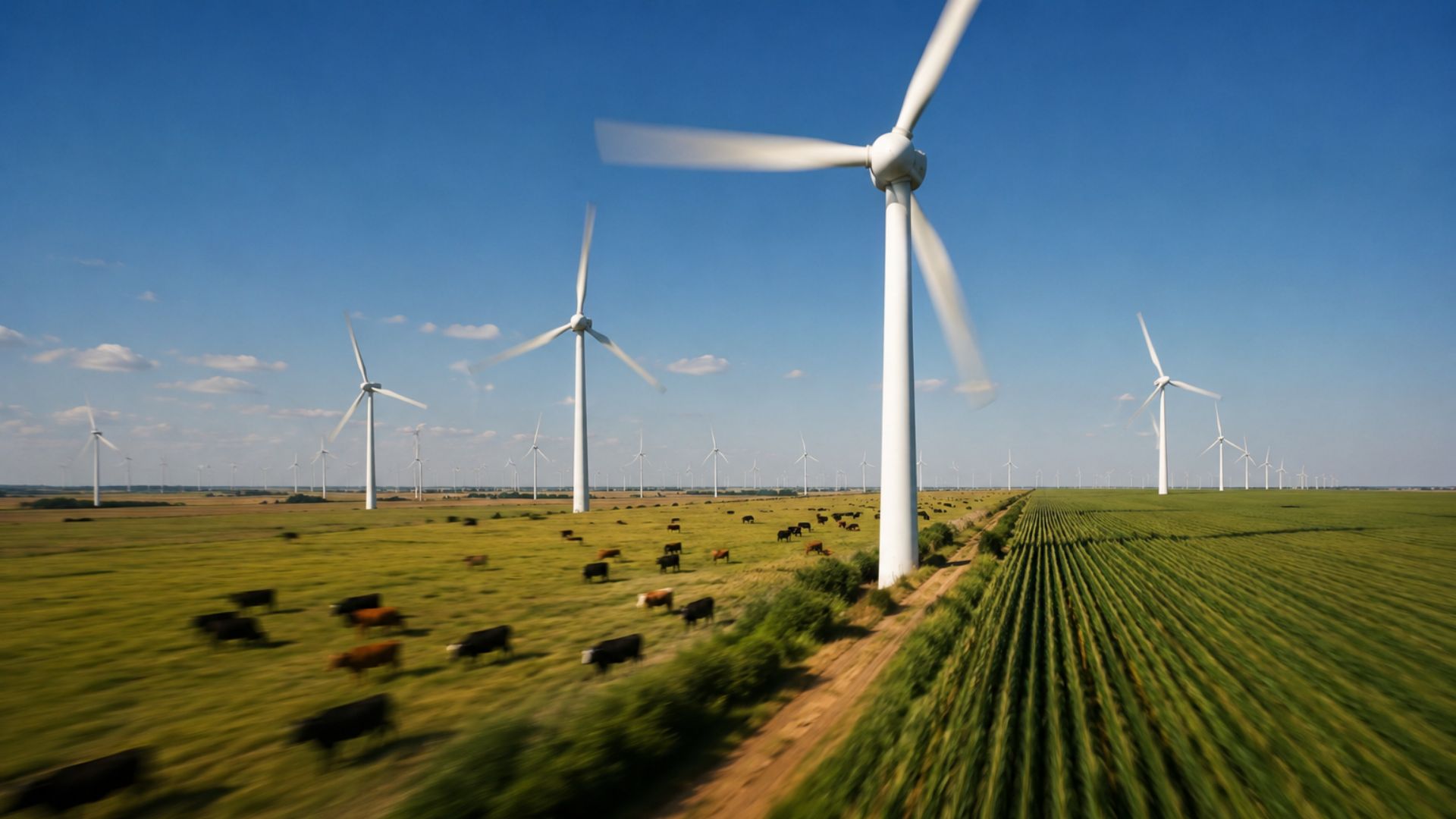
Taller than the Statue of Liberty, thousands of wind turbines are being planted in the middle of U.S. fields, creating two-story farms where corn and soybeans grow below while the wind turns into electricity above.


This leap occurs amid the search for new markets in the face of internal overcapacity, which pressures companies to test whether their cost advantages can really translate into global leadership.
Political Pressures and Presence of Western Investors Create Barriers to Expansion
Although performance abroad is impressive, Chinese wind turbine manufacturers must deal with structural issues in many emerging markets. Huang Hu, Vice President of the product and equipment platform at Envision Energy, explains that a large part of the investors leading wind projects in regions such as Central Asia, North Africa, and Southeast Asia are from Europe and the United States.
As Huang highlights:
“Most wind energy projects in Central Asia, North Africa, and Southeast Asia still rely on support from investment entities in Europe and the U.S., which influence the final outcome of the projects.”
This dependence forces Chinese companies to align themselves with Western models of governance and operation, something essential to ensure competitiveness in markets where political and geopolitical components weigh as heavily as technical performance.
Varied Technical Standards Challenge Adaptation of Chinese Wind Turbines
In addition to political pressures, manufacturers need to respond to substantial differences between the technical standards of each country. Huang points out that wind resources, infrastructure, and supply chains vary widely, requiring customized products.
France, Japan, and Egypt, for example, impose strict noise restrictions, which forces companies to develop highly specific solutions. Australia, on the other hand, has strict regulations for bird protection, necessitating that turbines incorporate special devices.
There is also the challenge of electrical grids. According to Huang:
“Unlike China, which has an extremely powerful grid, the Philippines is an island nation with an isolated grid. This forces wind energy companies to relearn how to ensure grid stability and a quick response.”
Demand for Local Production and Services Changes Company Strategy
Besides technical requirements, many countries request assembly, manufacturing, and local R&D centers, creating the need for even more complex supply chain strategies. To meet these demands, Envision has already established over 20 global operations centers and announced a new plan to set up a production base in Kazakhstan.
This adaptation seeks to ensure that the expansion of Chinese wind energy is sustainable, competitive, and meets the requirements for industrial sovereignty present in various markets.
Robust Industrial Chain Ensures Competitive Advantages for Chinese Companies
Despite the challenges, Chinese manufacturers continue to have significant advantages. Huang states that over 70% of the components used by European manufacturers come from China, demonstrating the strength of the Chinese industrial chain.
Additionally, the ability to offer quick responses and efficient services makes Chinese companies more competitive throughout the entire lifecycle of the turbines—a benefit reinforced by the higher costs of European supply chains.