Portuguese
  Spanish


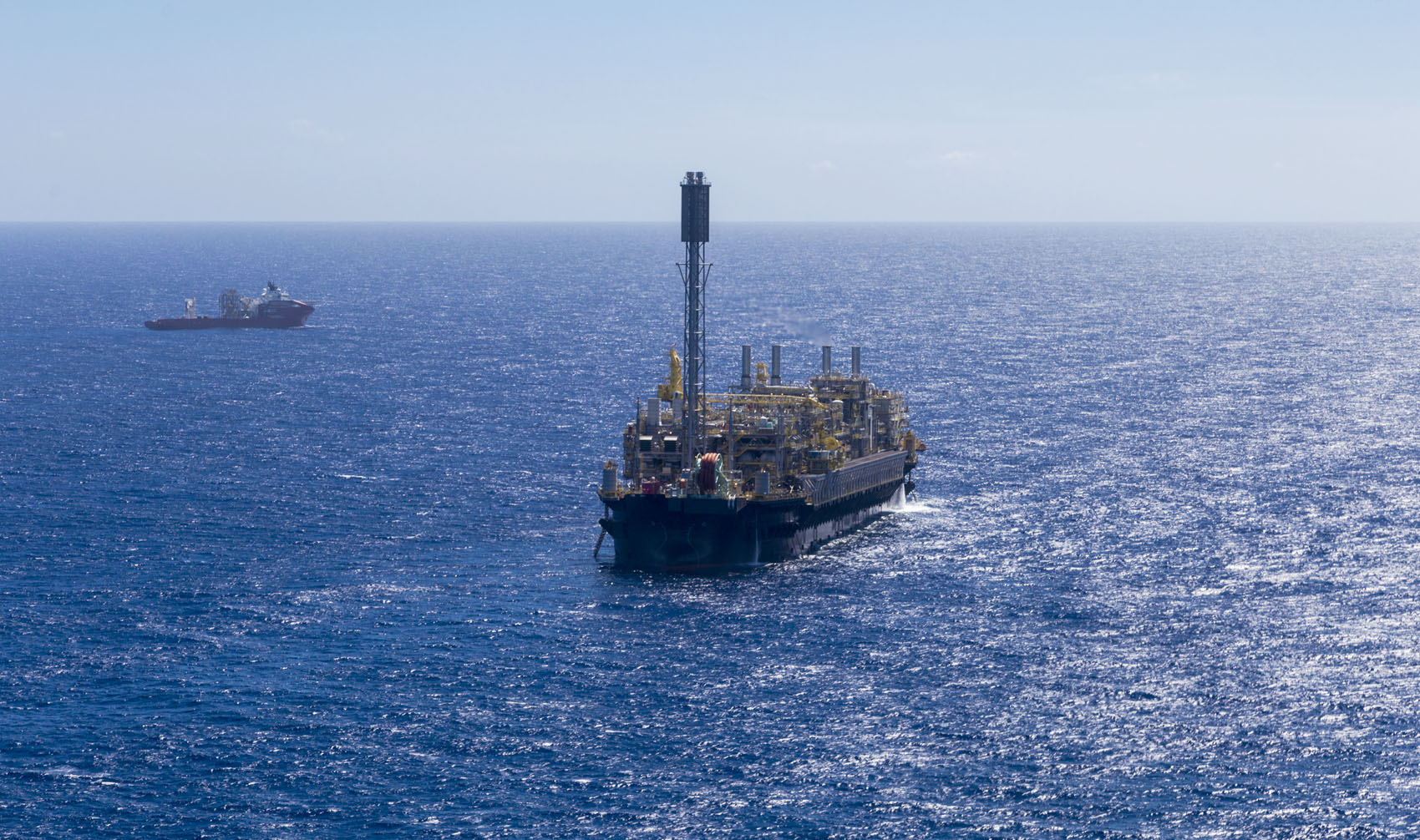

Increase of 84% in Oil Production by 2027 in ES Should Boost the Economy and Royalty Collections
The oil industry in Espírito Santo is expected to experience significant growth in the coming years, with a projected increase of 84% in offshore oil production by 2027, as indicated by the 6th edition of the Oil and Natural Gas Industry Yearbook in ES. Additionally, natural gas production is expected to grow by an average of 97% annually during the same period. Therefore, there is opposition to the tax increase in the state at this crucial moment.
Initiatives and Investments in the Sector
Findes, the Industry Observatory, and other institutions collaborated in the preparation of the Yearbook, which highlights projects and investment prospects of R$ 8.8 billion by 2027.
Companies such as Petrobras, Shell, Seacrest Petróleo, Imetame, EnP, PRio, Repsol, and Equinor are involved in these investments.
-
Petrobras Approves $1.2 Billion Refinery in Brazil to Produce Aviation Fuel and Diesel from Plants

-
Family Quietly Transforms Old Sawmill into $700 Million Business, Opens 25 Stores in Two Years Across 22 Brazilian States

-
Couple Sold Their Home to Save Business, Now Run Platform Handling $180 Million Monthly and Managing Over 51 Million Listings
-
Petrobras Secures $2.2 Billion Contract to Build and Operate Four Support Vessels for Brazil’s Offshore Oil Fields




Cris Samorini, president of Findes, states that new companies and investments in the sector, both offshore and onshore, will drive production in Espírito Santo, creating opportunities for the industry and the local economy.
Reversal of the Decline in Oil and Natural Gas Production
Marília Silva, chief economist at Findes and executive manager of the Industry Observatory, explains that starting in 2025, a trend of reversing the decline in oil and natural gas exploration is expected. Offshore oil production is projected to jump from the current 47.7 million barrels per year in 2022 to 87.8 million barrels per year in 2027. Meanwhile, natural gas production is expected to double from 1.2 billion m³ in 2022 to 2.4 billion m³ in 2027.
In 2023, a recovery in offshore production is anticipated, surpassing operational issues that affected the sector’s performance in the previous year. However, in 2024, a decline in offshore production is projected due to the natural decline of production.
A significant change is expected between 2024 and 2025, when Petrobras is expected to operate a new platform in Parque das Baleias (FPSO Maria Quitéria) and PetroRio (PRio) plans to begin extraction at the Wahoo field.
The projects from Petrobras and PRio aim to increase the oil and gas recovery factor by optimizing the current drainage grid and interconnecting a new FPSO.
The expectation is that Petrobras’s new platform will begin operations in the last quarter of 2024, while PRio intends to drill four production wells and two injectors, with first oil expected in the first half of 2024.
The projected growth in oil and natural gas production in Espírito Santo demonstrates the industry’s potential in the region and the fundamental role of investments and partnerships among leading companies in the sector. The increase in offshore production and the reversal of the decline in oil and natural gas exploration by 2027 should bring significant benefits to the local economy and boost job creation and opportunities in the region.
Sustainable Development and Future Prospects
With the increase in oil and natural gas production in Espírito Santo, it is crucial to ensure that development occurs in a sustainable and responsible manner, taking into account the environment and the well-being of local communities.
The adoption of more efficient and sustainable technologies and practices, as well as collaboration among companies, governments, and organizations, will be essential to ensure a more prosperous and sustainable future for the oil and gas industry in Espírito Santo.
Innovation and Diversification in the Energy Sector
The energy sector is undergoing a global transformation, with increasing demand for cleaner and more sustainable energy sources. As the oil and gas industry in Espírito Santo prepares for growth in the coming years, it is essential that the region also explores and invests in other forms of energy, such as solar, wind, and biomass.
This diversification can help create a more resilient and sustainable energy matrix, as well as generate new business and job opportunities in the region.
In summary, the projected growth in oil and natural gas production in Espírito Santo by 2027 represents a significant opportunity for the industry and the local economy.
However, it is crucial to ensure that this development occurs in a sustainable and responsible manner, with investments in more efficient technologies and practices, as well as diversification and innovation in the energy sector.