Portuguese
  Spanish


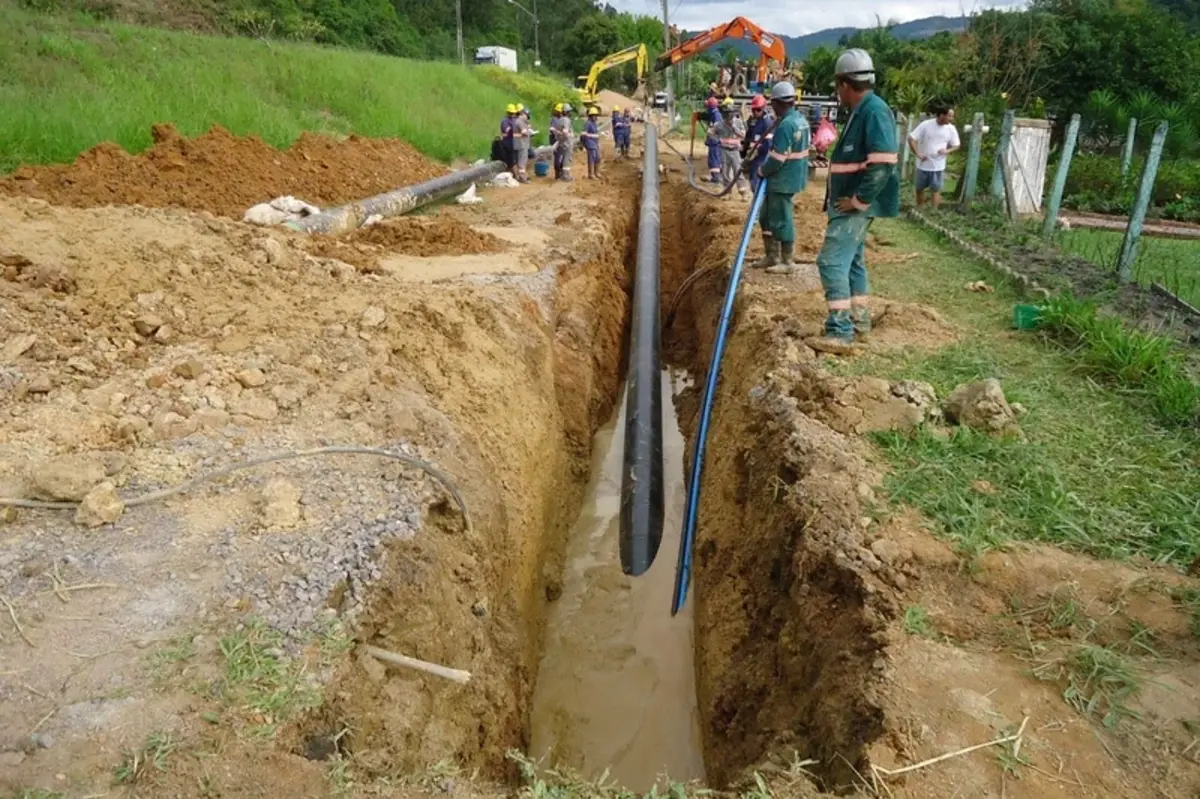

SCGÁS Will Install 29 Km of Natural Gas Network in Criciúma and Tubarão by 2026, Prioritizing Homes and Businesses
Criciúma and Tubarão, in the south of Santa Catarina, are set to receive a total of 29 kilometers of new natural gas networks by 2026. The information comes from SCGÁS, which plans to install 13 kilometers in 2025 and an additional 16 kilometers the following year.
The expansion is part of the company’s Multi-Year Business Plan, and at this stage, it will focus on residential and commercial consumers.
According to the company, the project meets the growing demand for more efficient and safe energy sources. Piped natural gas offers cleaner combustion, eliminates the need for cylinders, and reduces operational risks.
-
OPEC+ Boosts Oil Supply by 188,000 Barrels per Day in July 2026, Leading to Price Drop from $112 to $89 per Barrel in Under Two Months

-
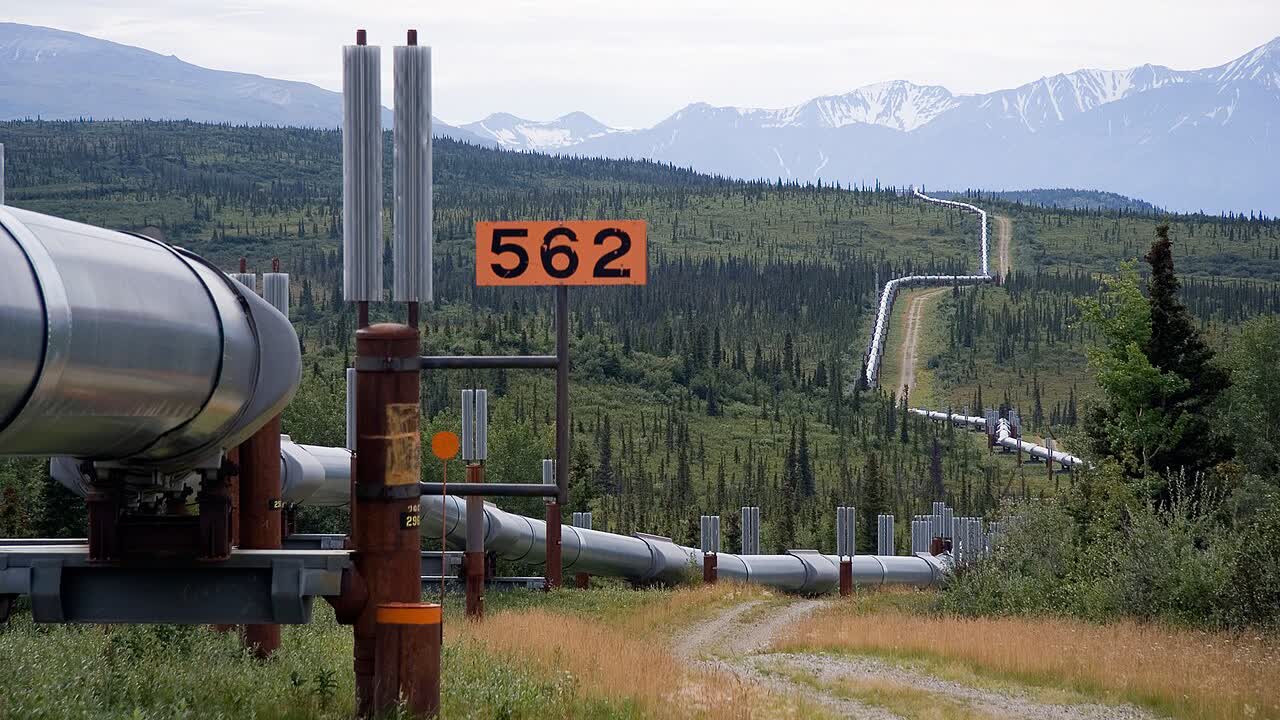
TotalEnergies Signs 20-Year Deal to Purchase 2 Million Tons of LNG from Alaska, Boosting Project Viability
-
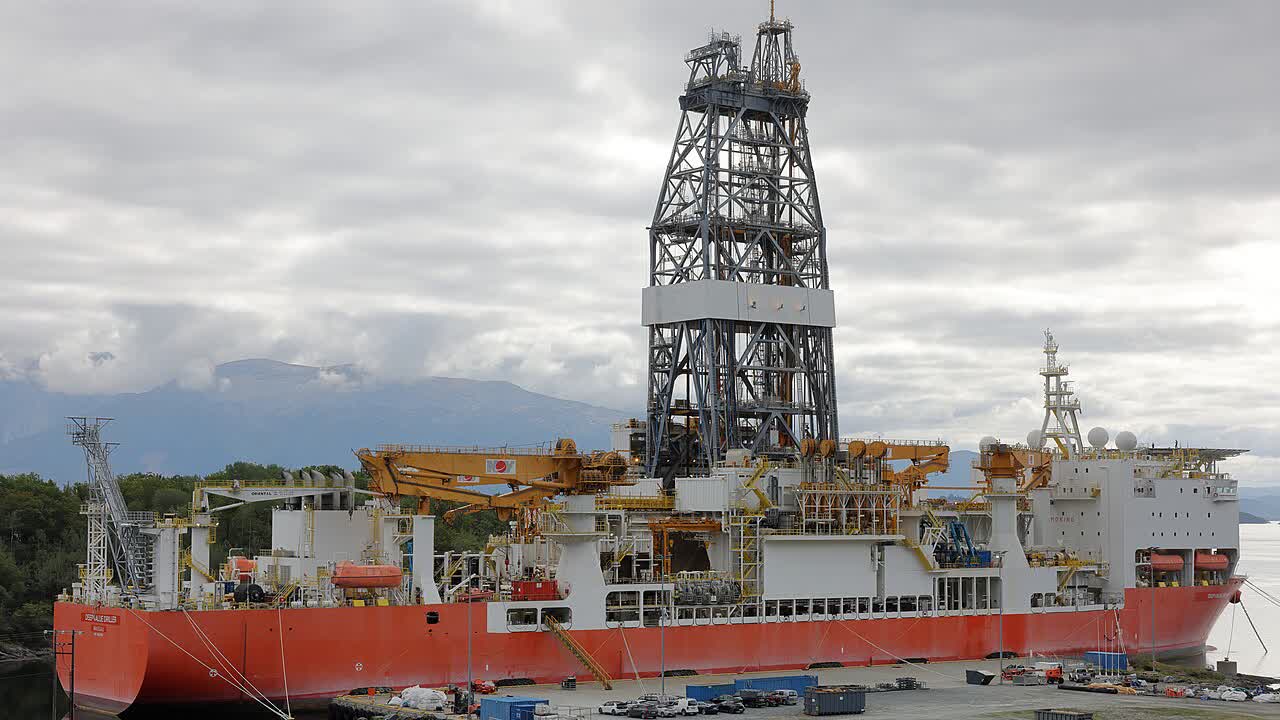
Turkey Deploys Çağrı Bey Drilling Ship to Explore New Oil Frontier Off Somalia’s Coast
-
Golden Pass LNG Ships First Liquefied Gas Cargo from the U.S., Completing $10 Billion QatarEnergy and ExxonMobil Investment

Moreover, it has a price regulated by the Public Services Regulatory Agency of SC (ARESC), with charges proportional to actual consumption, without losses.
“The use of natural gas eliminates product losses and promotes greater efficiency in consumption, which represents a direct gain for residential consumers and commercial establishments that are always looking to reduce monthly expenses. Investment in the infrastructure of networks along the streets is a strategic step to promote the economic and social growth of municipalities,” says Marcos Petri, coordinator of Works and Oversight at SCGÁS.
The company also highlights the positive impacts on the environment. Replacing more polluting sources significantly reduces greenhouse gas emissions.
Another benefit is urban mobility, with fewer supply vehicles circulating, which also contributes to the reduction of carbon dioxide (CO2) emissions.
It is expected that with the new network, more residents and businesses will have access to natural gas in the next two years.
With information from Engeplus.