






 Portuguese
  Spanish


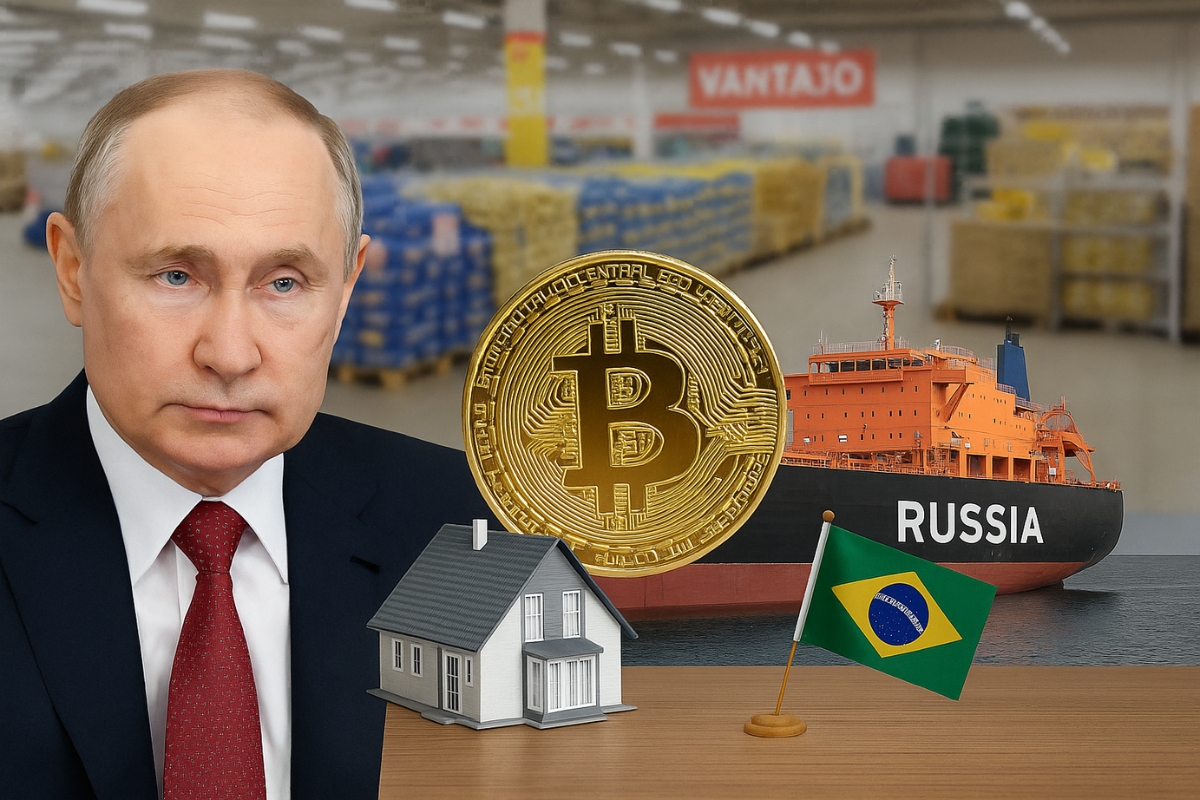
Russia Expands Influence in Brazil: Properties Paid with Cryptocurrencies, Discount Supermarkets, Ghost Fleet of Fuels, and Even Advertising in Portuguese Challenge International Sanctions
While Europe closes its doors to Moscow due to the war in Ukraine, Brazil emerges as a new fertile territory for Russia’s economic and strategic interests.
From properties paid for with cryptocurrencies to popular supermarkets and dubious origin oil tankers, various sectors reveal how businesspeople and structures linked to the Kremlin find in the country a space of opportunities, without the limits imposed by international sanctions.
Real Estate Paid with Cryptocurrencies and the Pursuit of Citizenship
In recent years, Russian agencies specializing in providing their clients with a complete package have grown: investing in the Brazilian real estate sector with payment in cryptocurrencies and, in addition, securing the right to legal residency in the country.
-
Belo Horizonte Becomes First Brazilian City to Fund Housing, Utilities for 100 Homeless Families with $900,000 Initiative

-
Brazilian Joins Homeownership Consortium, Faces Decade of Dual Payments Totaling $141,000, Surpassing Traditional Mortgage

-
Land Rover to Halt Production in July, Putting 371 Jobs at Risk, as Chinese Automaker Negotiates to Convert Factory to 100,000 Vehicles Annually by 2027
-
Mexican Pest Threatens U.S. Cattle Herds at Historic Lows, Potentially Boosting Brazilian Beef Exports as Burger Prices Soar


According to the law, purchasing properties starting at R$ 700,000 (around US$ 130,000) allows foreigners to apply for a special visa, with the possibility of later naturalization.
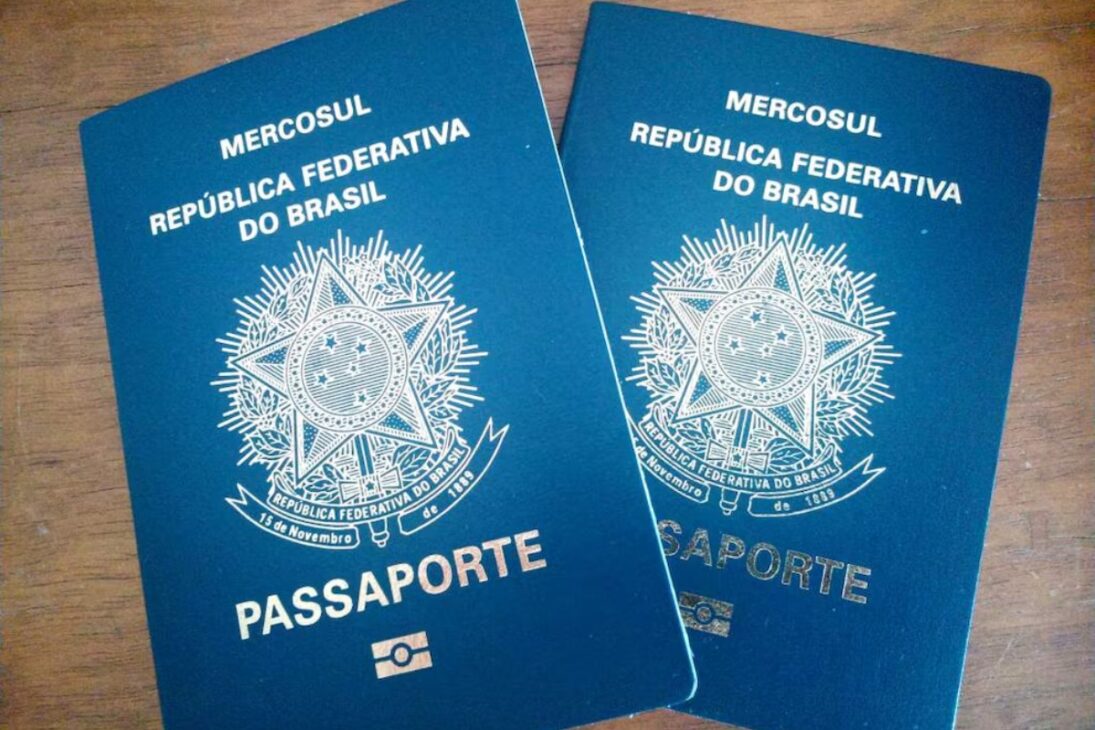
The Brazilian passport, recognized internationally, is one of the major attractions. For Moscow, this ease raises concerns: in recent years, Russian spies have been caught using false Brazilian identities in operations abroad.
Furthermore, many pregnant Russian women come to Brazil to give birth, automatically guaranteeing citizenship to their children — thanks to the Jus soli, adopted by countries like Brazil, Argentina, and Mexico.
Agencies even offer packages that include luxury properties with sea views, support from translators, and even medical assistance during childbirth in reference hospitals.
According to the Ministry of Justice, between 2020 and 2025, Brazil received 4,191 Russian immigrants. Of these, more than a thousand settled in Florianópolis, the capital of Santa Catarina. These are families of high purchasing power: 73% of the children are enrolled in private schools.
Still, most do not integrate into the Brazilian job market, declaring themselves as “digital nomads” and working for companies abroad.
Russian Supermarkets Land with Aggressive Prices
Another sector that stands out is retail. The Russian group Svetofor, known as “Mere” in Europe, announced the opening of 50 stores in Brazil under the brand Vantajoso.
The model follows the hard discount style: goods displayed directly on pallets, without large storage structures.
The local press has presented the chain as “Putin’s favorite,” but brothers Sergey and Andrey Schneider, the founders of the company, have already faced criticism from the Russian government itself.
In European countries, Mere faced serious restrictions: it was expelled from Poland and targeted with complaints in Germany for selling products of questionable quality, even being held responsible for placing unsafe food on the market.
In Latin America, however, the strategy is clear: to win over the public with aggressive prices, especially in São Paulo, Minas Gerais, and Rio de Janeiro.
It is still not defined whether the products sold will come from Russia, Belarus, or local suppliers.
The “Ghost Fleet” and Dependence on Russian Diesel
Perhaps the most delicate point of the Russian presence in Brazil is the energy sector. According to an investigation by BBC Brazil, since 2022, at least 36 ships from the so-called “ghost fleet” docked at ports such as Santos and Paranaguá.
These oil tankers, which frequently change flags and turn off their tracking systems, are used to transport Russian fuels by circumventing sanctions imposed by the United States and the European Union.
The numbers are impressive: between 2022 and 2025, about 17% of all Russian fuel exported was destined for Brazil. Today, Russia already accounts for 60% of the diesel imported by the country. The figures jumped from US$ 100 million in 2022 to over US$ 5 billion in 2024.
Experts warn of environmental risks, as many of these ships are old and poorly maintained. Moreover, energy dependence on a sanctioned supplier could lead to future economic retaliations against Brazilian companies.
Allegations of Recruitment and Advertising in Portuguese
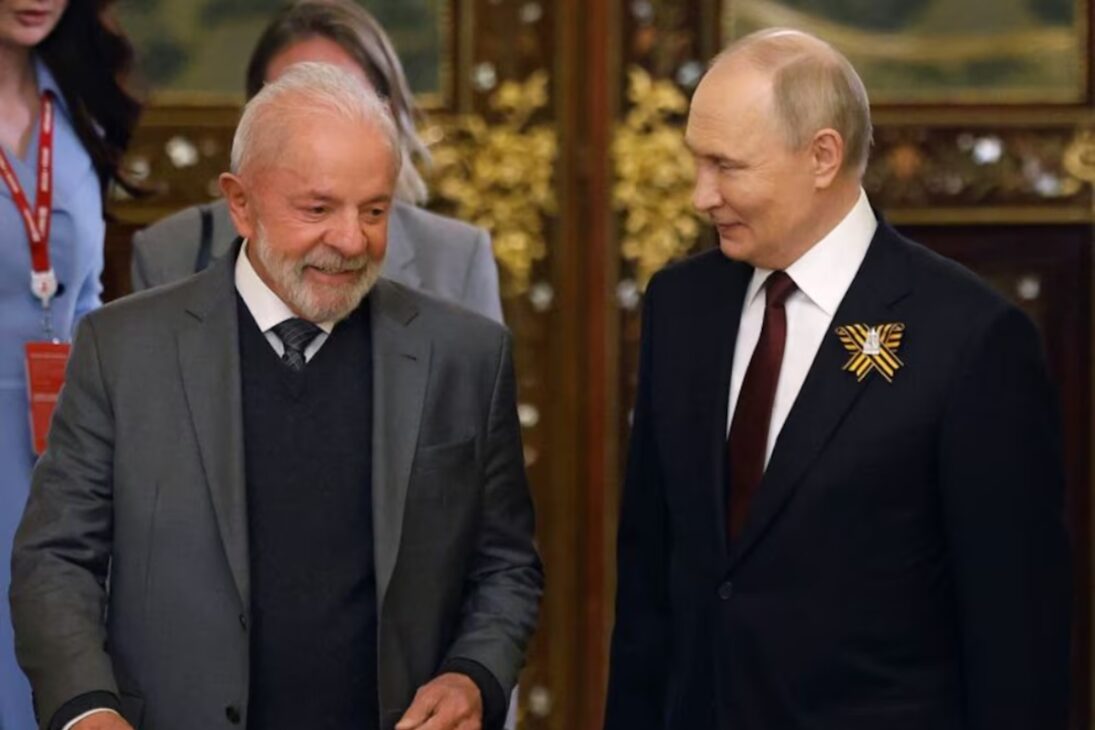
Another controversial episode involves Russia’s honorary consul in Curitiba, Acef Antônio Said, accused by Ukraine of recruiting young Brazilian women to work in drone factories in Tatarstan. The program, presented as a cultural exchange, would be part of the Alabuga Start initiative and is said to have involved women from over 40 countries.
Concurrently, the presence of Russian advertising on Brazilian soil is growing. In August, Radio Sputnik began broadcasting 24 hours a day in Portuguese in Rio de Janeiro, offering news aligned with the Kremlin.
The movement follows Moscow’s strategy to expand its media influence in Latin America, already present in countries like Chile.
This scenario shows that, while facing sanctions in the West, Russia uses Brazil as a platform for economic, energy, and even political expansion. A game of interests that places the country at the center of a complex network of business, diplomacy, and strategic risks.






-

1 person reacted to this.