Portuguese
  Spanish


Due To Severe Labor Shortage, Companies In Cuba Hire Inmates For Work In Factories. Understand How This Initiative Works And The Impact On The Country’s Economy.
The severe labor shortage, resulting from the largest exodus recorded in Cuba since the triumph of the revolution in 1959, led a sugar company in the country to hire inmates to meet its production plan, according to the company’s director. This unusual measure arises as a temporary solution to meet production demands amid the crisis of workers. Additionally, the company is considering expanding its hiring to include professionals from other countries, seeking to fill the gaps left by mass migration.
Cuban Company Hires Inmates Due To Labor Shortage
Amaury Depestre, a deputy from the central province of Cienfuegos and director of the sugar factory, explained that on July 14, in order to complete the last harvest and meet the plan, he had to seek extra personnel, including 113 prisoners who joined the task.
During a debate on Monday night, before the parliamentary session scheduled for this Wednesday, Depestre, quoted by the pro-government portal Cubadebate, did not specify under what conditions the Cuban company hires inmates.
-
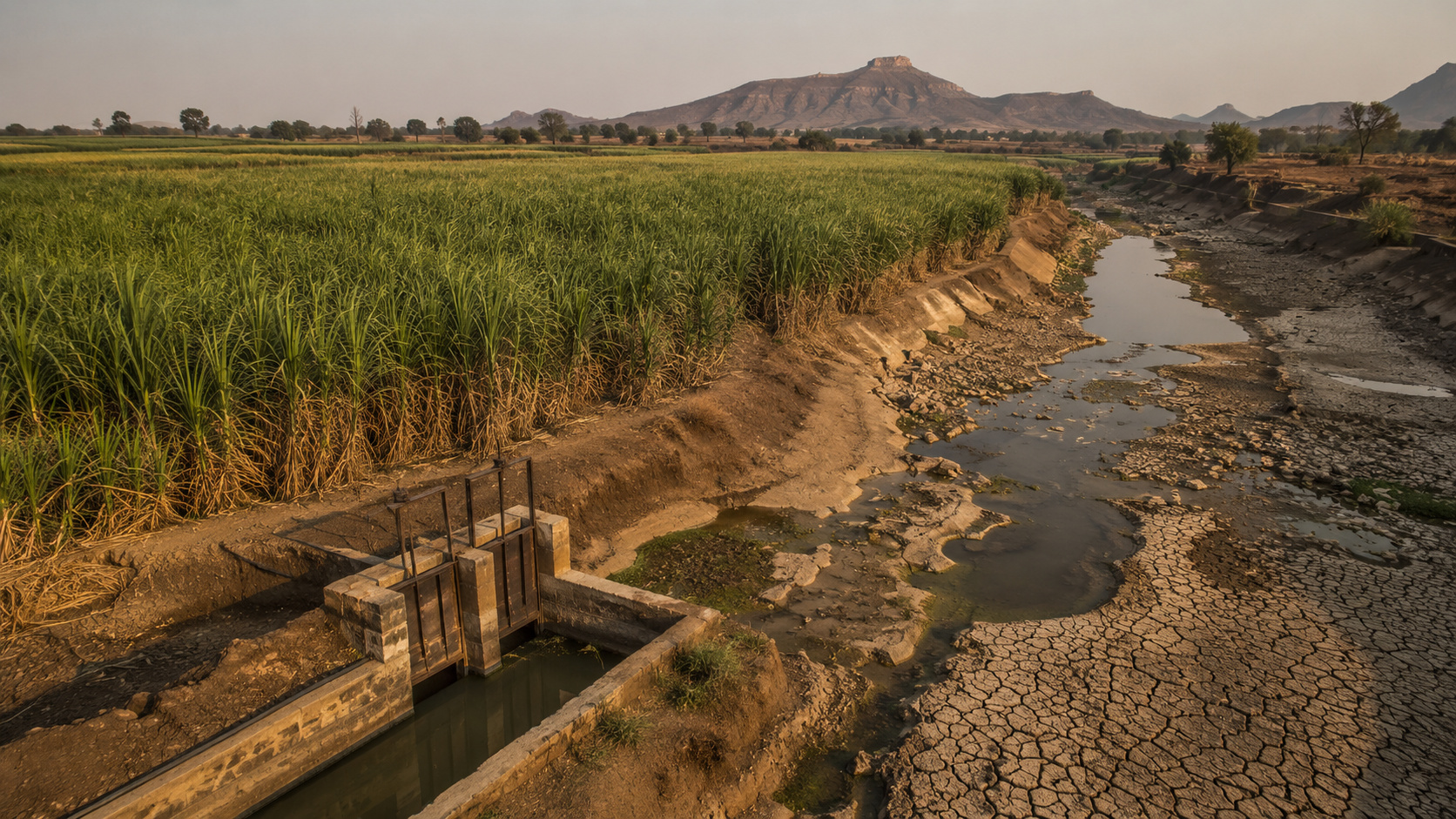
Sugarcane Cultivation in India: A Symbol of Water Stress and Environmental Strain Amidst Global Demand for Sugar and Green Fuel

-
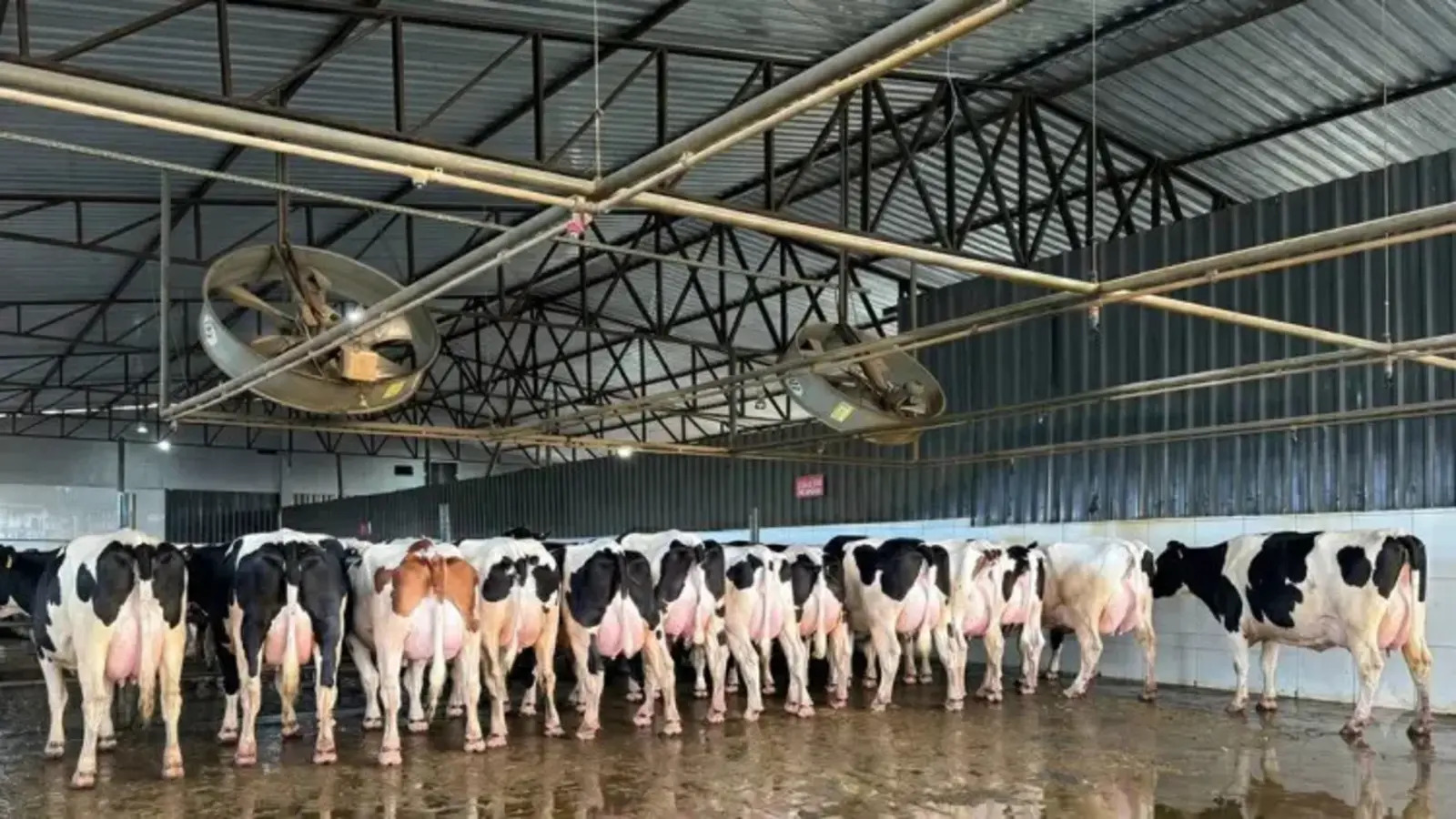
Innovative Farm in Northeastern Brazil Combats Drought with Advanced Techniques, Aiming for 10,000 Liters of Milk Daily Production

-
Australian Desert Farm Uses Solar Power and Seawater to Produce 15,000 Tons of Tomatoes Annually, Resembling a Sci-Fi Agricultural Innovation

-
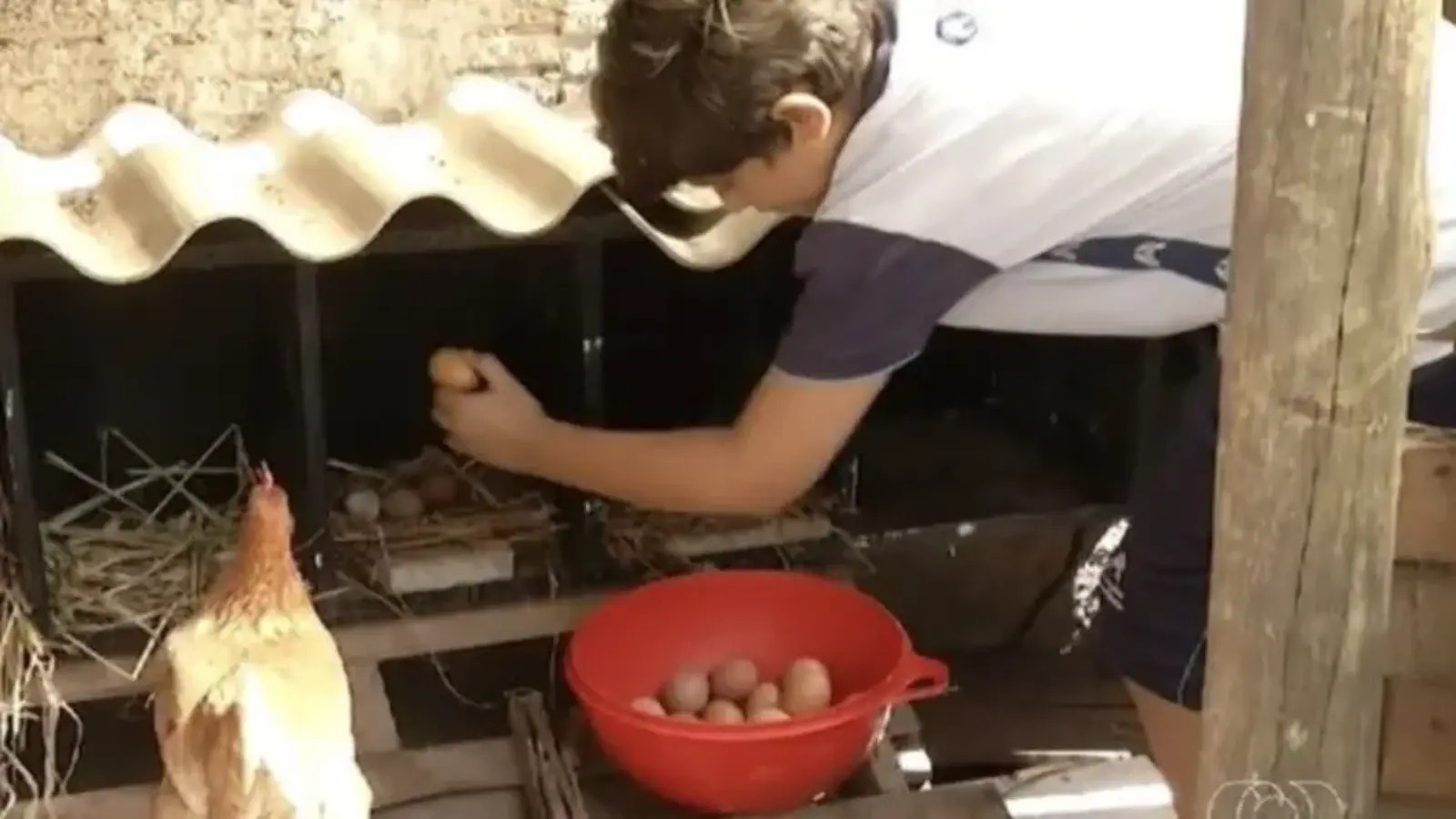
Brazilian Child Becomes National Role Model by Turning Financial Education Lesson into Thriving Poultry Business with 25 Hens and 150 Eggs Weekly

However, since March, Cubans and foreigners serving prison sentences have a regulation that establishes their right to work inside and outside the country’s prisons, as well as the labor and salary treatment to be received.
This is not the first time that company directors or deputies from Cuba have complained about the labor shortage in agriculture, historically affected by the exodus from rural areas to cities. This phenomenon is now compounded by unprecedented emigration and the displacement of agricultural workers to better-paying jobs, particularly in the growing local private sector.
Depestre urged Cuban deputies to focus on the sector’s wages and the emigration that has plagued it for several years. Since 2021, the state group AzCuba has been trying to curb the decline of the sector, but the 2022-2023 harvest reached only 350,000 tons of sugar, 4.4% of what Cuba produced until the early 1990s.
More Than Half A Million Cubans Enter The USA
The president of AzCuba, Julio García, did not inform lawmakers about the final results of the harvest that concluded in May and which Cuba had to carry out with “little availability of lubricants, fuels, and other inputs.”
The migratory wave of Cubans recorded since late 2021 is unprecedented, while the communist island is immersed in its worst economic crisis in three decades, with soaring inflation, blackouts, and shortages of food, fuel, and medicine.
More than 560,000 Cubans entered the United States irregularly from January 2022 to May 2024, according to the U.S. Customs and Border Protection Agency, and nearly 100,000 flew directly to the country due to a temporary stay permit known as Parole, which was implemented in January 2023 by the Biden administration. There is no official figure for Cuban migration to other countries in Latin America and Europe.
Brazil Also Hires Prison Labor
Cuba hires inmates due to labor shortages, but it is not the first to do so, as through work done inside and outside of prison units, prisoners can develop new skills, expand their professional opportunities for reintegration into society, and even reduce their sentences.
Prison labor is being employed in the restructuring of the headquarters of the Secretariat of Penal and Socioeducational Systems (SSPS) and at the Fernando Ferrari Administrative Center (Caff). Currently, 12,211 inmates are engaged in some form of work activity just in Rio Grande do Sul. Of these, 11,396 are men and 815 are women, according to data from the Penal Police as of December of last year.