Portuguese
  Spanish


Discover How Peru Transformed Deserts Into Vineyards and Became World Leader in Grape Export Using Irrigation and Agricultural Innovation.
Imagine looking at a sea of sand, with dunes as far as the eye can see, and in the middle of it… vineyards! This is not science fiction — it’s what’s happening today on the coast of Peru, where the desert has been transformed into one of the largest centers for table grape cultivation in the world.
Grapes in the Desert? Yes, and With High Productivity
The regions of Ica, Pisco, Piura, and Lambayeque are some of the most arid areas on the planet, with virtually no rainfall throughout the year. Yet, Peru has become the world leader in fresh grape export, surpassing giants like Chile and the United States.
The secret lies in technology: drip irrigation systems, smart water usage from the Andes, and bold engineering projects — such as the Olmos Project, which brought groundwater through tunnels dug beneath the mountains to irrigate over 40 thousand hectares in the desert.
-
Brazil’s Famous Blue Lagoon Cave Set to Reopen to Tourists in 2026 After 23-Year Closure

-
Tourist Train in São Paulo’s Serra do Mar Takes Passengers to a 19th-Century English Railway Village, Showcasing the Historic Santos-Jundiaí Railway’s Role in Coffee Transport

-
After a 4-year journey across the Americas, couple settles in southern Brazil, transforms rusted shipping container into a home, facing real risks and close calls along the way.
-
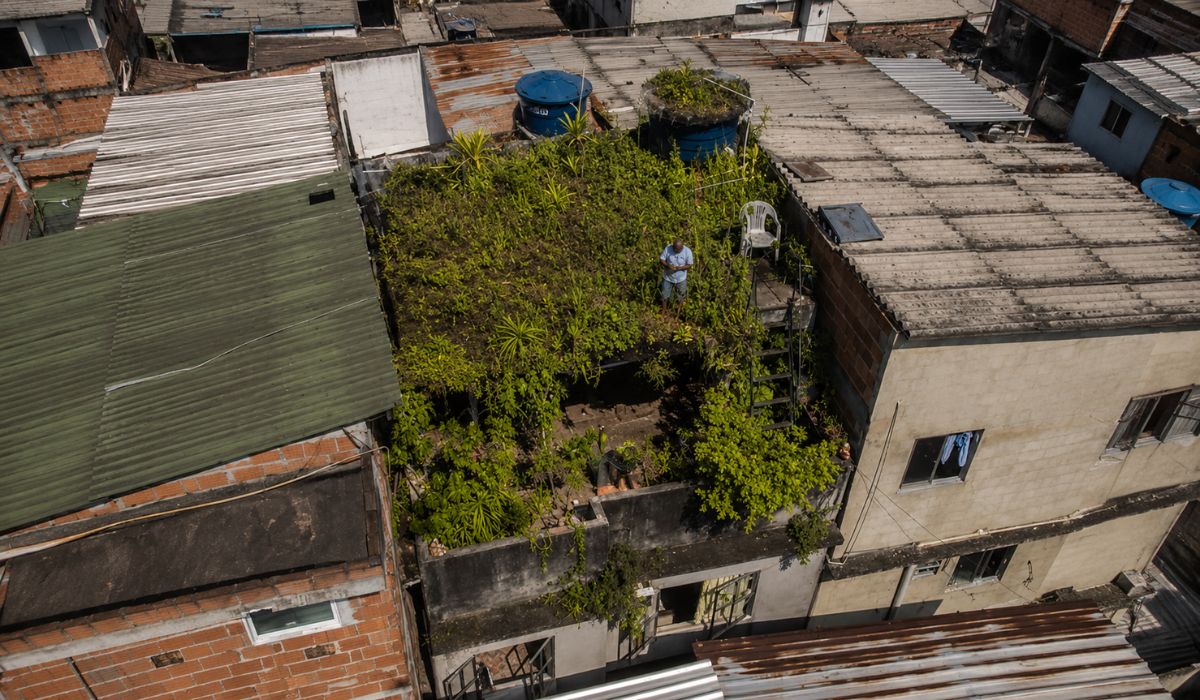
Rio de Janeiro Resident Transforms Home with Green Roof, Cutting Indoor Temperature by Up to 15°C and Offering a Simple Solution to Extreme Heat




Precision Agriculture: When the Scorching Sun Becomes an Ally
You might think that heat and dryness would be a problem. But in the world of grapes, this can be an advantage. The dry climate reduces fungal diseases and pests, favoring sweeter, crunchier fruits with less need for pesticides.
To control the few natural threats, such as birds attacking the vineyards, some wineries have adopted creative solutions — like using trained falcons to scare away the birds without harming the ecosystem.
From Pisco to Wine: The Desert Is Also Terroir
Besides table grapes destined for export, a significant portion of the production goes into making wines and the traditional Peruvian pisco, an aromatic distillate with over 400 years of history.
Regions like Ica, the birthplace of pisco, combine tradition and innovation. Small and large producers are increasingly investing in fine wines, many of which are produced in areas with almost zero humidity, taking advantage of the desert heat to develop intense and unique labels.
Peru: From Unlikely to Global Leader
The impact of this transformation is enormous. In just over a decade, Peru has jumped from a small producer to a fruit giant, the world’s largest exporter of table grapes, a position it has maintained for the second consecutive year, exporting hundreds of thousands of tons of grapes annually to demanding markets such as the United States, China, and Europe.
Only the Ica region generates hundreds of millions of dollars in agricultural exports. And the best part: all this happens in areas that, until recently, were considered inhospitable.
In the 2024–2025 harvest, the country exported over 562 thousand tons of the fruit to 44 international markets, surpassing traditional competitors like Chile.
This performance is the result of a powerful combination: over 56 cultivated varieties, the use of modern irrigation technologies, strict phytosanitary certifications, and access to new markets like Japan and China.
The expansion has been driven by an average annual growth of nearly 20% in fruit exports, a rate much higher than that of neighboring countries. Projections indicate that Peru is also expected to surpass Chile in total agricultural export value by the end of 2025.
With a harvest calendar that runs from October to April — a strategic period for supplying the Northern Hemisphere — and ongoing investments in logistical innovation, the country has established itself as a global leader in the table grape market, transforming the desert into an agricultural powerhouse.
Peruvian Desert Exceeds Expectations
The example of Peru shows that with innovation, water planning, and agricultural technology, it is possible to transform even the most challenging landscapes into oases of productivity. The story of the desert grapes is also a lesson in climate resilience, rational water use, and boldness in agribusiness.
While many countries face the effects of drought, Peru teaches that the desert does not need to be synonymous with scarcity — it can, indeed, be the fertile ground of the future.
Had you heard about grape cultivation in the desert?