






 Portuguese
  Spanish


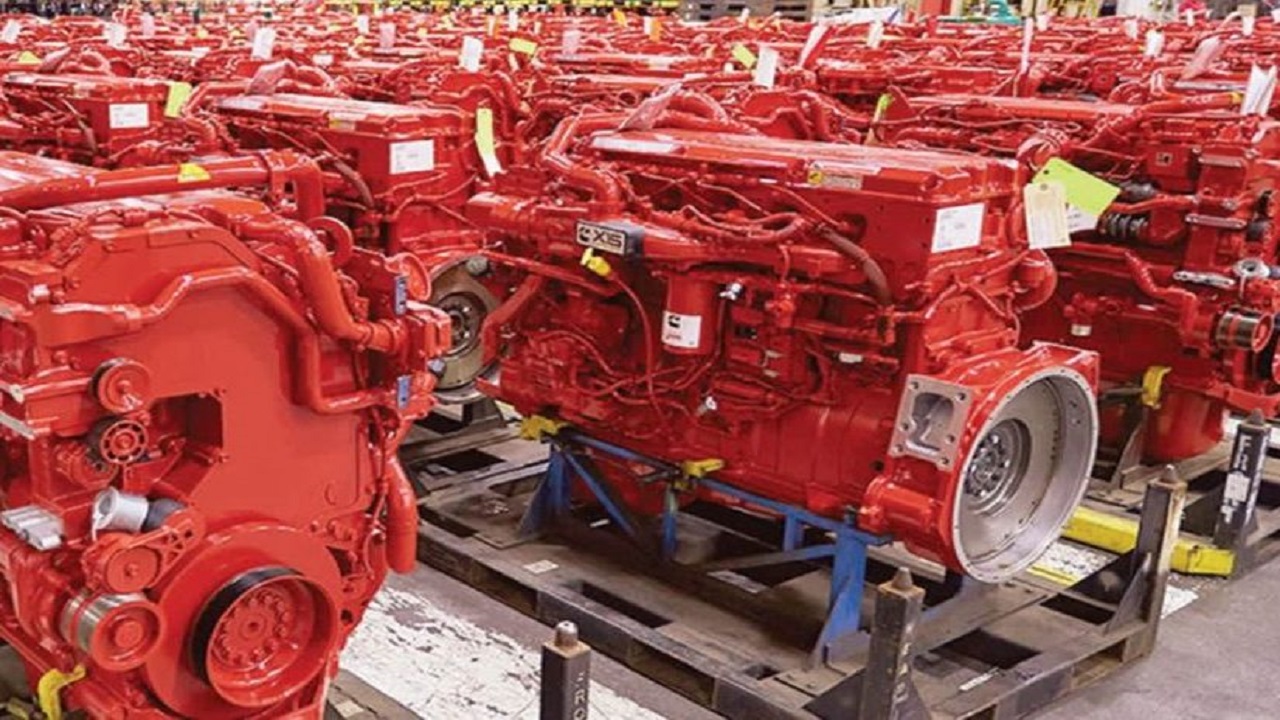

Cummins Is Investing to Adapt an Internal Combustion Engine and Transform It into a Hydrogen-Powered Propulsion System
When it comes to hydrogen for powering vehicles, people often think of the use of fuel cells and complex systems that convert chemical reactions of hydrogen into electricity to power electric motors. However, some companies, such as Cummins, are exploring a simpler use of this fuel in an internal combustion engine. Since the fuel is a flammable gas, it could be used in appropriate internal combustion engines.
Read Also
Cummins Engine Sector President Speaks Out
According to Srikanth Padmanabhan, president of the Cummins engine sector, the company is excited about the potential of hydrogen-powered internal combustion engines to reduce emissions and provide performance and power for its customers.
According to the president, the company is utilizing all new engine platforms with the latest technologies to improve power density, as well as thermal efficiency and friction reduction, allowing Cummins to overcome typical performance limitations and efficiency compromises associated with converting natural gas or diesel combustion engines to hydrogen fuel.
-
The Port of Itaqui closes the best first semester in history with over 17 million tons and takes off as the locomotive of the Northern Arc.

-
Brazil’s North-South Railway to Auction Two Grain Terminals in Central Tocantins

-
AI-powered traffic cameras in São Paulo now issue fines for cellphone use and seatbelt violations around the clock

-
Free Upgrade to Professional Driver’s License Categories in Over 130 Locations in Brazil, Including Exams and Courses



According to Padmanabhan, significant technological advancements are being observed, and the company continues to progress. Furthermore, it remains optimistic about bringing this solution to the automotive market. After conducting tests with an internal combustion engine, the company will begin evaluating the engines in highway applications and also in off-road operations, which will ensure a faster shift toward reducing pollutant emissions.
Cummins Hydrogen Engines May Expand Technology Options in the Automotive Industry
According to Jonathon White, vice president of Engine Business Engineering, the hydrogen engine program has great potential to expand the available technology options and achieve a cleaner transportation sector, alongside the company’s capabilities in hydrogen fuel cells, natural gas engines, and electric batteries.
The major advantage of using a hydrogen-powered internal combustion engine is that car owners and automakers will continue using vehicles equipped with existing transmission systems, able to operate in nearly every vehicle currently manufactured.
Additionally, Cummins’ hydrogen combustion engine will also be capable of using green hydrogen as fuel, which is produced by electrolyzers manufactured by the company with nearly zero CO2 emissions in the exhaust and levels approaching zero for NOx. The projected investment in global green hydrogen production will create growing opportunities for deploying hydrogen-powered fleets using Cummins’ fuel cell technologies or internal combustion engines.
Get to Know Cummins
Cummins operates in a wide range of markets and is present in over 190 countries. The company has been present in Brazil since the early 1970s, seeking new business opportunities.
Its subsidiary was officially established in the city of Guarulhos (SP) in 1971. Currently, the company has four factories located in the region, focused on R&D and production of engines, generators, filters, and many other sectors.


