Portuguese
  Spanish


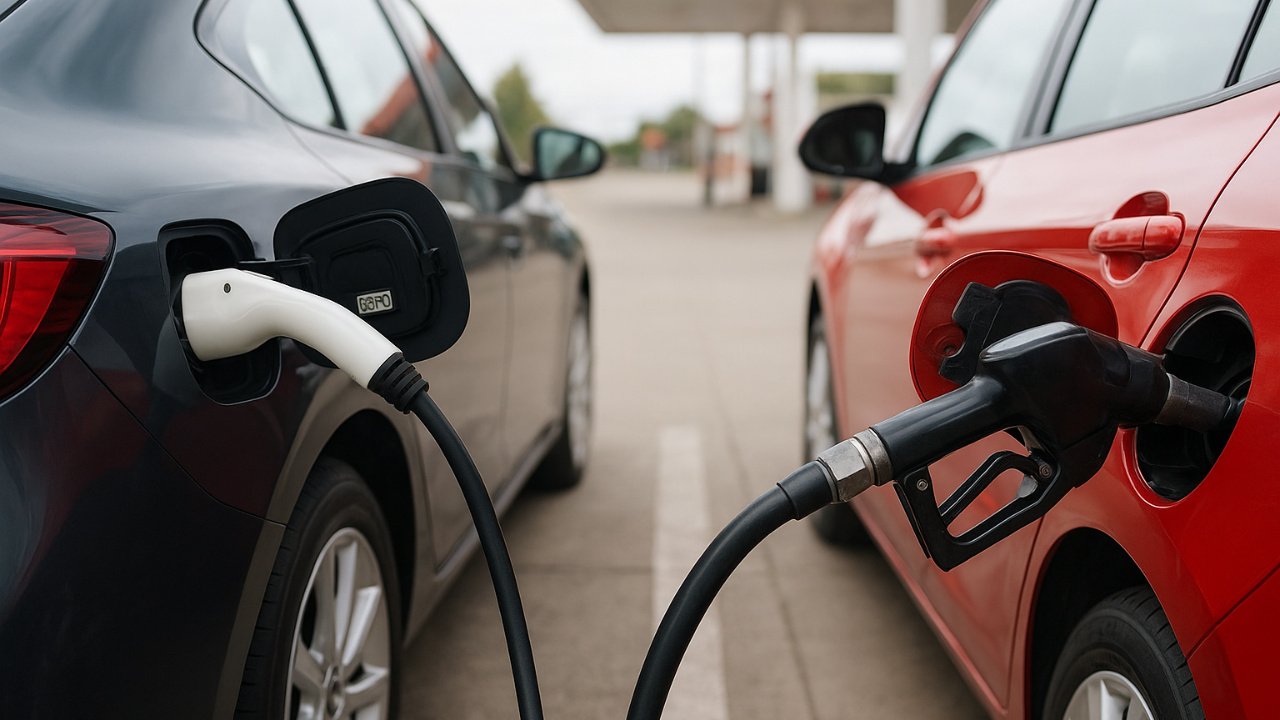

Study Shows That Charging an Electric Car in Brazil Can Be Up to 73.6% Cheaper Than Fueling a Combustion Vehicle. Understand the Numbers and Economic Impacts of This Comparison.
Brazil recorded deflation of 0.11% in the last 12 months, according to data from IBGE. This movement, combined with a 4.21% reduction in the value of residential electricity, made the charging of electric cars significantly cheaper than filling the tank of a combustion vehicle, as reported by Canal VE this Thursday.
According to a study by Volvo, the difference reaches 73.6% in the cost per kilometer traveled.
Comparison Between Fueling and Charging
The analysis by the automaker considered the national average price of R$ 0.80 per kWh, according to information from Aneel, and the average price of gasoline, which is R$ 6.17 per liter, according to Petrobras.
-
Electric and Hybrid Cars Set to Transform Brazilian Streets: A New Era Begins

-
Chinese Giant Invests $1.3 Billion in Brazil to Produce 50,000 Cars Annually, Create Jobs, Develop Local Suppliers, and Manufacture Electric, Hybrid, and Combustion Models by 2027

-
Unprecedented achievement in India: a colossal 650-ton, nearly 3,000 hp excavator is transformed into 100% electric, marking a new phase in heavy mining.
-
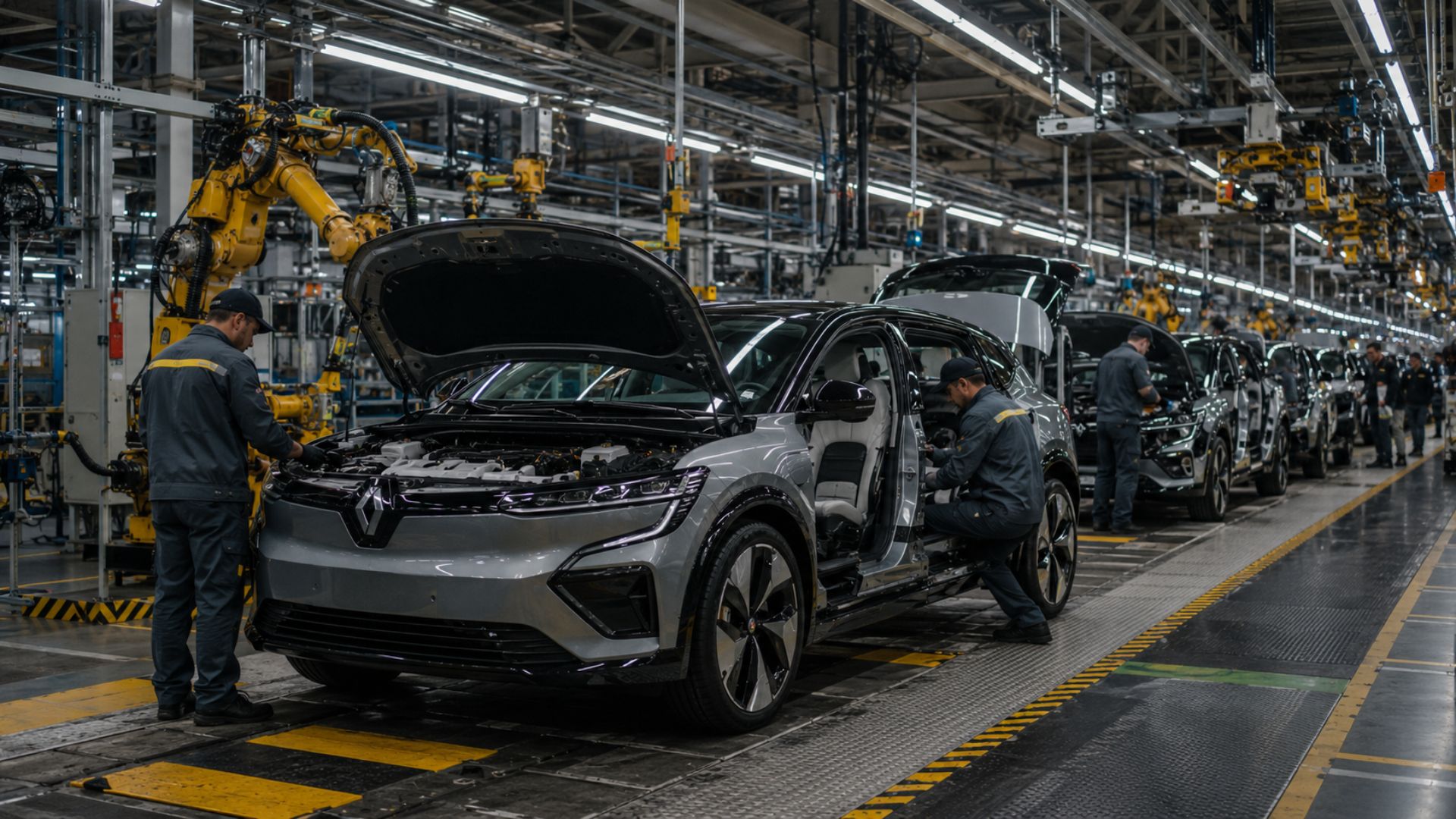
Frightened by the speed of Chinese manufacturers, Renault decided to mimic the pace, made the new electric Twingo in just 21 months, wants to repeat the feat with 36 models by 2030, and along the way, will cut up to 2,400 engineering positions.

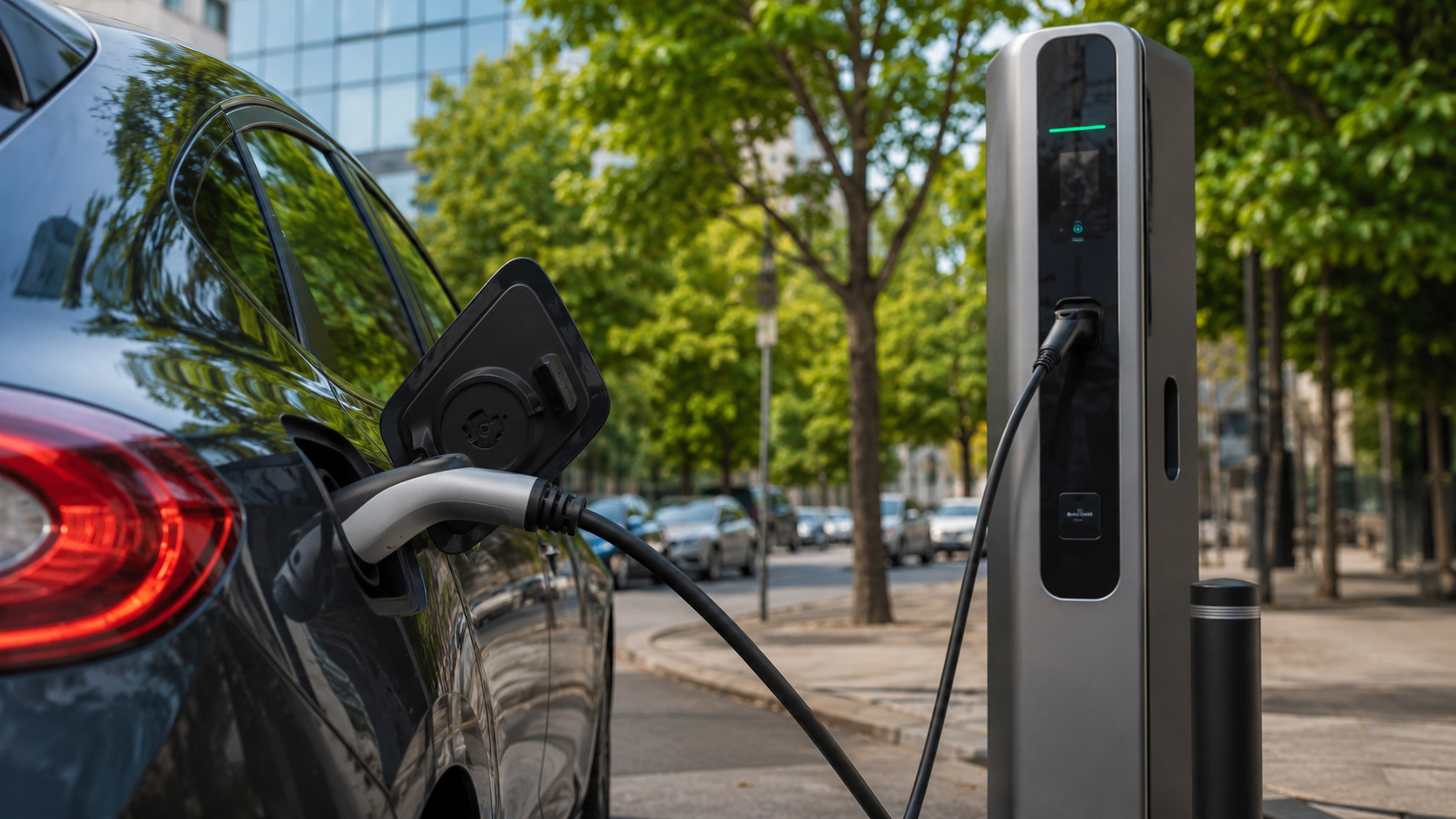


- To fill the tank of a 55-liter combustion car, which is a best-seller in Brazil, the consumer spends around R$ 339.35.
- In contrast, to fully charge the 69 kWh battery of the Volvo EX30, a premium electric car, the cost is only R$ 55.20.
This contrast clearly shows how the energy transition also has a direct impact on the consumer’s wallet.
In practice, the difference becomes even clearer when analyzing the cost per kilometer. A combustion model with a consumption of 10 km/liter travels about 550 km on a full tank, resulting in R$ 0.617 per km traveled.
The Volvo EX30, with an official range of 338 km measured by Inmetro, has a cost of R$ 0.163 per km. In other words, driving an electric car is almost four times cheaper.
Advantages That Go Beyond Savings
For Marcelo Godoy, president of Volvo Car Brazil, the analysis reinforces that the benefits of electric cars go beyond financial aspects. He emphasizes that the model not only reduces daily expenses but also brings environmental gains. “The electric car is not positive only for the savings on the cost per kilometer for the consumer. It represents a benefit in various ways, such as not emitting greenhouse gases and indirectly contributing to the reduction of noise pollution, for example,” he stated.
This scenario reinforces the advancement of electric mobility in the country, even though charging infrastructure remains a challenge. The drop in energy costs and the growing difference compared to combustion vehicles make the transition more attractive. Additionally, the pressure for sustainability and emission reductions accelerates automakers’ adaptation and expands the options of available models.