






 Portuguese
  Spanish


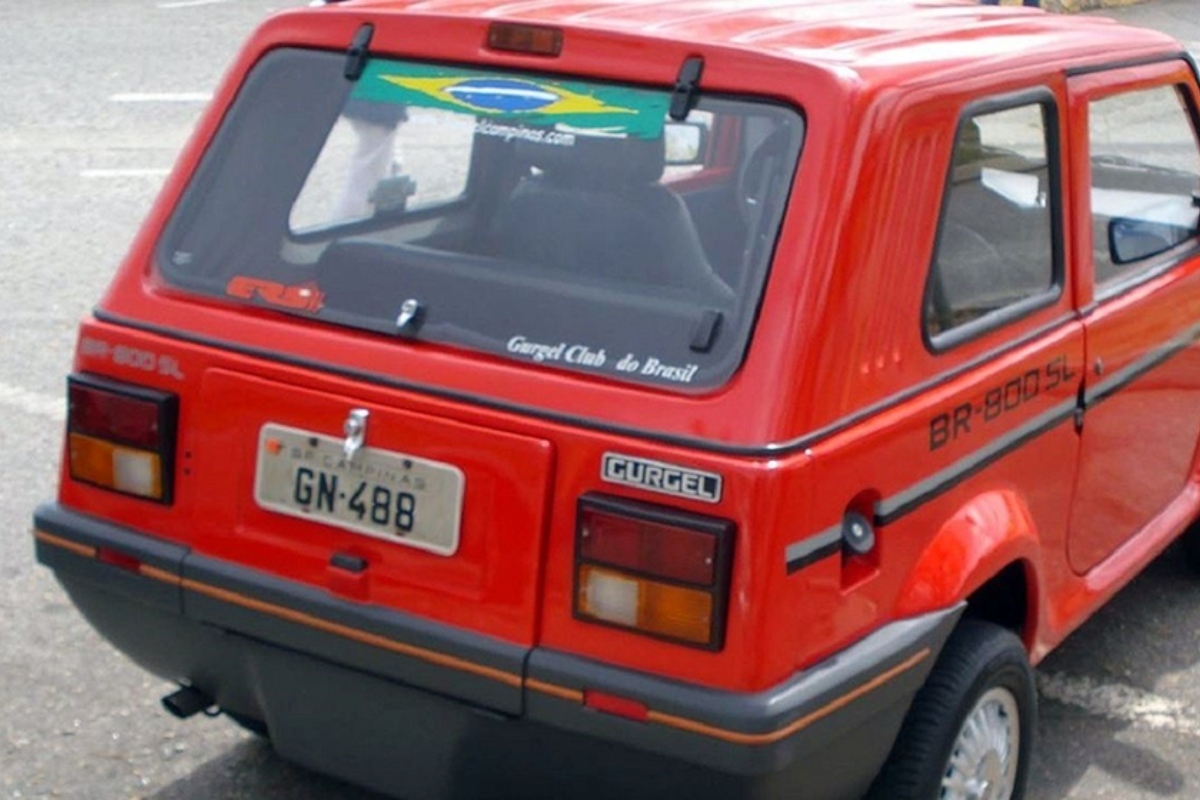


In Brazilian Territory, Gurgel Produced 100 Percent National Vehicles Since 1969 to Create Automotive Independence, Triggering Industrial Innovation and Catching the Attention of Consumers and Enthusiasts
The Brazilian automotive industry has already experienced one of its boldest initiatives. The proposal was clear and ambitious: to create cars that were fully developed in the country, with their own engineering and national identity.
What seemed impossible took shape with models that diverged from the standard set by major global manufacturers. Unique design, alternative materials, and a focus on economy put the brand in the spotlight.
For decades, the vehicles caught attention for uniting durability, low maintenance costs, and solutions tailored to the reality of Brazilian roads. The impact was immediate among consumers seeking alternatives to multinationals.
-
End of an era in Brazil: beloved sedan by Brazilians is discontinued despite having a 2.0 engine with 151 hp, CVT transmission, 466-liter trunk, and up to 650 km of range.

-
New Law Proposal in Brazil Could Heavily Penalize Drivers: Dangerous Overtaking May Become a Serious Offense with Fines Increased Tenfold and a 12-Month License Suspension; Update on 2026 Progress

-
Electric Revolution: Watts W125 Motorcycle Offers 160 km Range, 90 km/h Speed, and Affordable Price Starting at $3,000
-
General Motors Replaces Over a Thousand Workers with 50 Cobots at Electric Vehicle Plant, UAW Union Criticizes Move Amid Industry’s Automation Push


Origin of the Manufacturer and the Proposal to Create Fully National Cars
The company was founded in 1969 by engineer João do Amaral Gurgel. From the beginning, the goal was to develop complete vehicles within Brazil, from conception to manufacturing.
The proposal included adapting cars to the climate, terrain, and needs of Brazilian consumers. It was not just about manufacturing, but about creating local technology.
This positioning transformed the brand into a symbol of industrial independence, something rare in a market dominated by foreign manufacturers.
Models That Became Symbols of National Automotive Innovation

Among the vehicles that gained the most notoriety are the BR 800 and the utility vehicles X 12 and X 15.
The models drew attention for characteristics that were unusual at the time. Economical engines, lightweight structures, and reinforced plastic bodies were clear differentiators.
The results surprised consumers who sought durability and lower maintenance costs. Many vehicles began to be used in rural areas and regions with difficult access.
The detail that stood out the most was the combination of mechanical simplicity and structural durability.
Strategies That Boosted the Growth of the Brazilian Manufacturer
The advancement of the manufacturer was supported by well-defined strategic pillars.
Integral national production generated jobs and stimulated internal technology. The differentiated design created a unique identity in the market.
The technology developed by the company itself reduced vehicle weight and repair costs. This increased competitiveness in specific niches.
Another decisive factor was the focus on segments that were little explored by multinationals, such as compact utilities intended for heavy work.
Market Liberalization and International Pressure Changed the Scenario


The early 1990s brought a sharp turn. The opening of the Brazilian market to imported vehicles raised the level of competition.
With more options available, prices began to be pressured. Global manufacturers had a much greater production scale.
At the same time, economic policies and a heavy tax burden made local production difficult. The cost to maintain operations increased rapidly.
Bankruptcy in 1996 Ended Nearly Three Decades of National Production
Without enough capital to compete on an international scale, the financial situation worsened.
The inability to keep up with the pace of multinationals led to operational collapse.
In 1996, bankruptcy was declared, ending almost 30 years of independent automotive production in Brazil.
The impact was significant for the national industry, which lost one of its most authentic initiatives.
Legacy Remains Alive Among Collectors and Enthusiasts
Even after the end of activities, the vehicles continue to circulate and be preserved.
Collectors and admirers maintain restored models, participate in gatherings, and preserve the brand’s history.
The trajectory became a symbol of entrepreneurial boldness, technical innovation, and a genuine attempt at technological independence in the Brazilian automotive sector.
The case is still remembered as an example that innovation is essential, but adaptation to the global market is decisive for industrial survival.
The story continues to spark debates on the future of national automotive production and the space for genuinely Brazilian projects.
Did you know the story of Gurgel or have you seen any model on the streets? Share your opinion and say if Brazil should have a fully national manufacturer again.







A gurgel foi falida pela incompetência política associada a corrupção sistêmica onde a politica mata sonhos e heróis.
**** Brasília dos candangos.
Não foi só a incapacidade de concorrer com as multinacionais que decretou o fim da Gurgel, nem a adaptação ao mercado global. A Gurgel, que produzia o modelo popular BR-800, contava com um IPI baixo (5%). O governo Collor alterou as regras para favorecer motores até 1.0, subindo o IPI da Gurgel para 20% e anulando sua vantagem de preço em relação ao Fiat Uno Mille. Sim, o Collor que comprou um FIAT Elba, por vias tortas.