






 Portuguese
  Spanish


Discover How the Investment of R$ 125 Billion in the Automotive Sector Is Transforming the Demand for Steel in Brazil, with Expert Analyses and Outlooks for the Future.
The National Association of Motor Vehicle Manufacturers (Anfavea) announced a monumental investment of R$ 125 billion that will be injected by automakers in Brazil over the next eight years. This investment aims to increase vehicle production, generate new jobs, and encourage decarbonization actions in the sector.
Outlooks and Challenges for the Steel Industry
Willians Cintra, National Product and Market Intelligence Manager at Grupo Açotubo, analyzes how the steel sector can supply the increased demand from the automotive sector. According to Cintra, despite the investments, the automotive sector is expected to remain stable due to factors such as high interest rates and the level of population indebtedness.
“Imports of Chinese cars also directly impact domestic production. This combination of factors has led some automakers to close or halt production in South America. The good news is that this year the largest CAPEX for the automotive industry in decades has been announced,” the spokesperson notes.
-
Workshop Converts Giant Tractor Tire Tricycle into a Three-Wheel Drive Hybrid with 36,000-Watt Electric Motor Capable of Climbing Hills

-
Sales of Brazil’s Cheapest Electric Car Halted Before First Deliveries: E-Motors Suspends Emova Easy Due to Import Tax Increase and Rising Freight Costs

-
Nissan Discontinues Qashqai SUV Amid Cost-Cutting, Chinese Competition, and Product Line Review

-
BYD Patents Revolutionary System Using Computer Vision to Detect Animals Under Cars Before Starting, Preventing Tragedies



Joint Venture with French Manufacturer
Among the projected investments for the year, the joint venture of Açotubo with the French seamless pipe manufacturer Vallourec, initiated in 2021, plays a crucial role in meeting the demand from the automotive segment. The estimated capacity for the year is 70 thousand tons, making the automotive market one of the main beneficiaries.
Impact of Floods in Rio Grande do Sul
Another factor that will stimulate the sector is the recovery of vehicles affected by the floods in Southern Brazil. According to research from Bright Consulting, more than 200 thousand motor vehicles were lost, representing about 5% to 10% of the entire fleet in the state.
“Both for the recovery of damaged vehicles and to supply automakers in the fleet renewal, at Açotubo, for example, the mechanical construction market and the automotive sector (light and heavy vehicle manufacturers, system suppliers, aftermarket, implements, and related) can represent up to 30% of the company’s mechanical construction market by 2024,” comments Cintra.
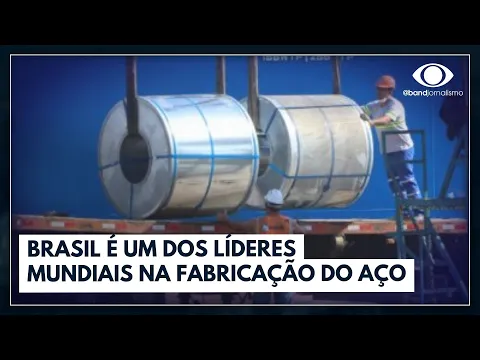
Brazil Is One of the Largest Steel Manufacturers in the World





Deixe seu comentário e o que você acha sobre o assunto aqui!
Oi